
Soaring cocoa prices shake up 2025, leaving chocolate under pressure and driving price hikes and reformulations this fall. Chocolate posted the highest inflation in grocery stores last year at 11%, a surge that reshaped how people shop for sweets. To manage expenses, makers have cut portion sizes, adjusted recipes and shifted marketing, while consumers balance rising costs with their craving for treats.
This post may contain affiliate link(s). As an Amazon Associate, I earn from qualifying purchases. See Disclosures.
Major chocolate producers are investing in long-term supply plans, but the cost of raw ingredients remains unstable. With fall in full swing, chocolate still carries the weight of comfort and tradition, though its place in family budgets is under closer watch than before.
Supply strains drive record highs
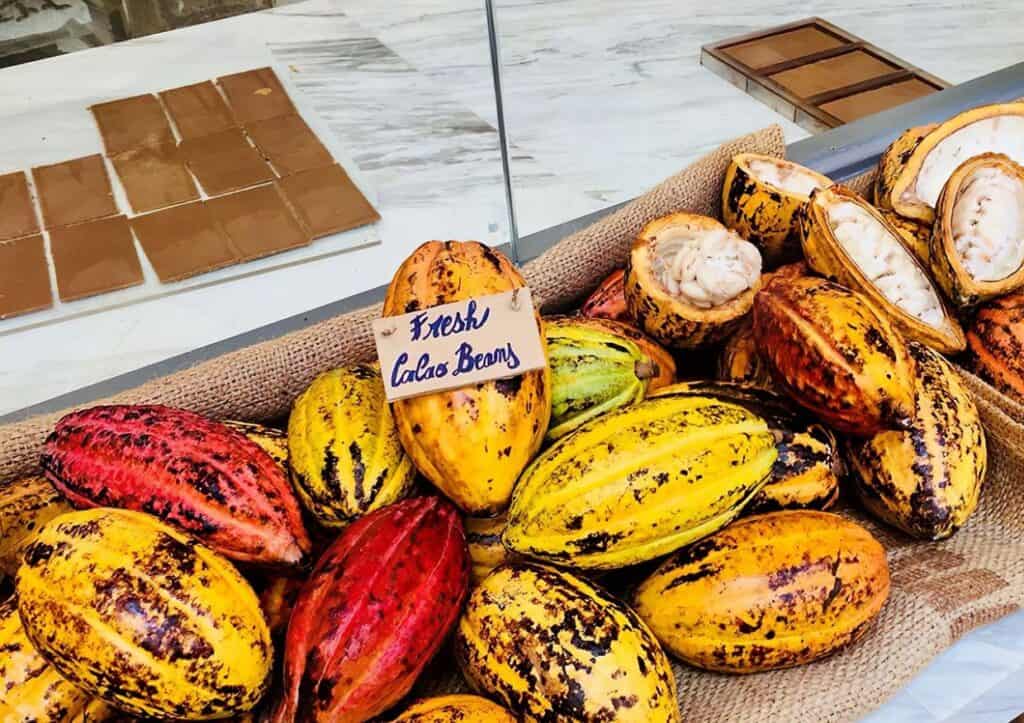
Cocoa prices hit record levels in 2025 as poor weather, crop disease and pest damage reduced harvests across West Africa, the region that grows most of the world’s beans. Smaller yields in the Ivory Coast and Ghana, the two largest suppliers, left less cocoa on the market and pushed costs to historic highs.
The impact is visible in grocery aisles, where chocolate recorded the steepest annual inflation of any food category. In the United States, prices for popular items like Hershey’s Kisses rose about 12% in a single year, reflecting how fragile supply lines and difficult growing conditions continue to reshape the cost of everyday treats.
Cocoa costs drive price hikes
Chocolate has become more costly in recent months as makers pass higher cocoa prices on to shoppers. Sales have slipped as a result, and companies are still dealing with the spike from late 2024 that pushed cocoa to unprecedented levels. Leaders at major brands say they do not expect prices to return to where they once were, showing how deep the pressure is across the industry.
Industry groups in Switzerland say the sharp rise in cocoa has made it harder for producers to cover costs. Retail prices often lag behind expenses, leaving chocolate makers caught between rising bills and cautious consumers. That squeeze is shaping pricing and sales through 2025, as companies work to keep chocolate on shelves while protecting margins.
Recipe tweaks stretch cocoa supply
Many producers are adjusting recipes to manage higher costs, with some trimming portion sizes or adding ingredients like fruit, nuts and fillings to stretch cocoa supply. These adjustments help keep products on shelves but can alter how familiar items look and taste.
Another approach is swapping part of the cocoa butter with vegetable fats made from palm oil, shea or illipe nuts. Small amounts can lower costs without changing the label, but larger cocoa substitutions risk crossing a line where the product can no longer be sold as chocolate. Finding the right balance has become a key challenge for brands trying to protect margins while maintaining consumer trust.
Impact on consumers and affordability
Shoppers are already feeling the pinch at the checkout as chocolate costs climb, and the strain could deepen if high cocoa prices persist. Everyday favorites that once felt like small indulgences are becoming more expensive purchases, forcing some families to cut back or trade down to smaller packs.
The rising cost of raw ingredients has left producers with little room to absorb the difference, and those expenses are being passed on to consumers. If supply challenges continue, affordability will remain a central issue, shaping how often people buy chocolate and how much they are willing to spend.
Chocolate giants brace for costs
Big players such as Hershey, Mars, Ferrero and Mondelez entered 2025 with some protection, thanks to long-term contracts that locked in cocoa costs ahead of the surge. Those agreements shielded them temporarily, but the cover is running out, and higher charges are working their way through. Mondelez, the owner of Cadbury and Toblerone, has warned that shoppers should expect more price increases as the year progresses.
Alongside raising prices, companies are investing in cocoa farming to secure supply for the future. Hershey has committed $500 million through its Cocoa For Good strategy and has already invested more than half.
The company also added $40 million to expand its Income Accelerator Program in West Africa, which supports farmer earnings and training. These efforts show how the world’s biggest chocolate makers are managing the current market strain while also preparing for years of tight supply ahead.
Seasonal treats take a turn
As fall arrives, seasonal chocolate will come with some changes from last year. Holiday releases may carry higher prices, and brands could highlight value through smaller packs or recipe tweaks.
Promotions will emphasize comfort and nostalgia, with ads tapping familiar flavors and cozy memories to keep chocolate tied to fall traditions. By combining storytelling and cost-conscious packaging, brands are shaping how shoppers experience their favorite treats in 2025.
Industry adapts, chocolate remains
Record cocoa prices have reshaped the chocolate industry, forcing companies to rethink how they make, sell and market products. Brands are adjusting recipes and cutting portion sizes, while shoppers absorb higher costs at checkout. Even as major producers invest in farming and supply programs, affordability remains a concern. Seasonal strategies now lean on value and tradition, proving that even the most familiar treats must adapt under pressure.
Zuzana Paar is the visionary behind five inspiring websites: Amazing Travel Life, Low Carb No Carb, Best Clean Eating, Tiny Batch Cooking and Sustainable Life Ideas. As a content creator, recipe developer, blogger and photographer, Zuzana shares her diverse skills through breathtaking travel adventures, healthy recipes and eco-friendly living tips. Her work inspires readers to live their best, healthiest and most sustainable lives.