
While many home cooks stick to the basics, like salt, pepper and maybe some garlic, another pantry must-have deserves a spot in your rotation. Red wine vinegar isn’t just another condiment to sit at the back of the shelf. It brings brightness, depth and a touch of tang that can turn everyday dishes into something better.

This post may contain affiliate link(s). As an Amazon Associate, I earn from qualifying purchases. See Disclosures.
What makes red wine vinegar different
Red wine vinegar stands apart from the other kinds of vinegar with its bold, complex personality. It’s fruity and robust, making it perfect for pairing with red meat and hearty or cheesy foods, while white wine vinegar takes a gentler approach with lighter fare.
The key difference is in the source material and fermentation process. Red wine vinegar comes from fermenting red wine, which gives it noticeable structure and deeper flavor notes that carry over from the original grapes. The final result is a vinegar that’s stronger than white wine vinegar but less sweet than balsamic, making it versatile for everyday cooking.
Unlike the bite of distilled white vinegar or the mild sweetness of rice vinegar, red wine vinegar has what we love to call good acidity: bright, clean tartness that enhances rather than overpowers other flavors.
The versatile foundation for marinades
One of red wine vinegar’s greatest strengths is its ability to tenderize and flavor proteins through marinades. It softens tougher cuts while adding a tangy punch that you’ll taste throughout the whole dish.
Red wine vinegar’s versatility makes it perfect for marinades and barbecue sauces. For beef and lamb, it adds a flavor that complements the richness of red meat. When marinating chicken or pork, it provides a great acidic backbone, which allows herbs and spices to absorb more effectively into the protein.
The basic formula is simple but effective: combine red wine vinegar with olive oil, minced garlic, herbs and a pinch of salt and pepper. You’ll get a balanced marinade that’s gentle on lighter proteins but still has enough character for heartier cuts. Because of the acidity, you typically only need 30 minutes to two hours.
Building better dressings and vinaigrettes
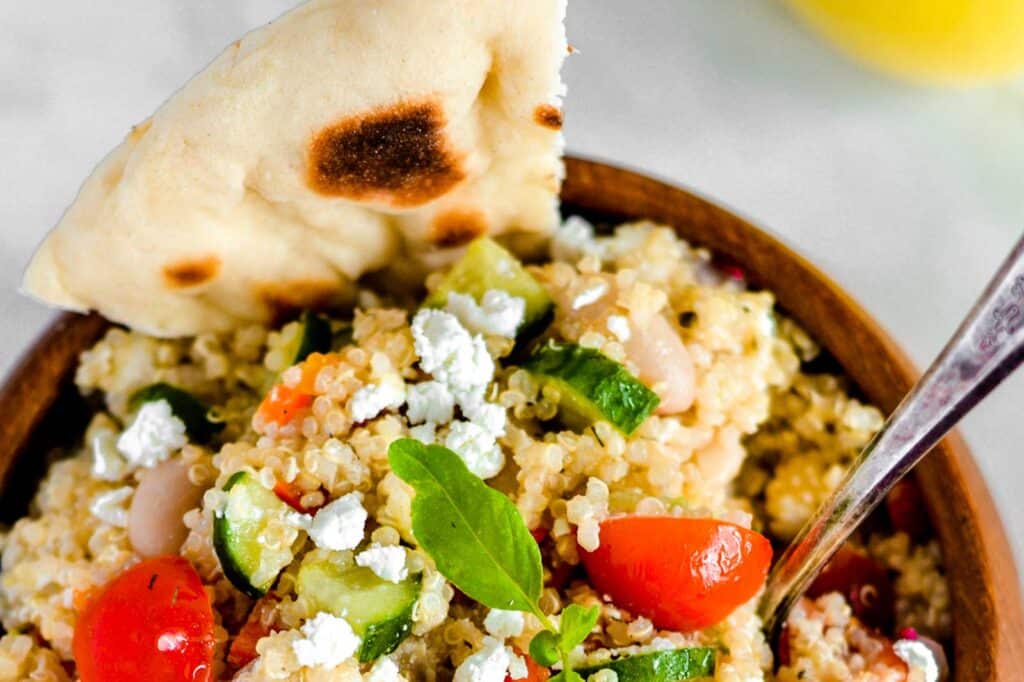
Red wine vinaigrette might be one of the most underappreciated salad dressings in the American kitchen. While we often use balsamic or apple cider vinaigrette dressing, a well-made red wine vinaigrette gives complexity without the sweetness that can mask the fresh flavors of your greens and vegetables.
The classic ratio for vinaigrette is typically 3 parts oil to 1 part vinegar, but the boldness of red wine vinegar allows you to adjust this to your taste.
What makes red wine vinaigrette special is how it plays with other ingredients. A touch of Dijon mustard helps emulsify the dressing, and honey or maple syrup can balance the acidity without making it overly sweet. Fresh herbs like oregano, thyme or basil bring brightness, while minced shallots or garlic add depth.
Making sauces with deglazing
Here’s where red wine vinegar shows its versatility in pan sauces and deglazing. After cooking meat or vegetables, those browned bits stuck to the bottom of your pan aren’t just cleanup challenges; they’re additional flavor that you shouldn’t overlook.
Red wine vinegar is excellent for deglazing pans and creating the foundation for rich, restaurant-quality sauces at home. The process is simple: after removing your protein from the pan, add a splash of red wine vinegar to the hot pan and scrape up those caramelized bits with a wooden spoon. The vinegar not only loosens what’s left but adds a bright acidity to balance the rich, meaty flavors.
For more complex sauces, red wine vinegar can be the acidic component that ties everything together. Whether you’re making a quick pan sauce with butter and herbs or a more involved reduction, that splash of vinegar provides the brightness that keeps rich sauces from feeling heavy.
Pickling and preservation power
Red wine vinegar’s acidity makes it an excellent choice for quick pickles and preservation. While white vinegar is often used for pickling, red wine vinegar adds extra flavor that does more than preserve.
Quick-pickled red onions are a simple way to use red wine vinegar for preservation. The vinegar gives them a light pink color and a more interesting flavor than plain white vinegar, making them a perfect pair for sandwiches, salads, tacos or grain bowls.
Red wine vinegar is also good for pickling vegetables like cucumbers, carrots or radishes. The trick is to balance the acidity with a hint of sweetness and salt to create a brine that preserves while bringing out the natural flavors of the vegetables. Unlike some harsh pickling liquids, red wine vinegar results in pickles that taste thoughtful rather than just sour.
Everyday cooking applications
Beyond these specific techniques, red wine vinegar can be a versatile everyday flavor enhancer. A splash added to soups and stews in the last few minutes of cooking brightens the entire dish and balances rich, heavy flavors. It’s particularly effective in tomato-based dishes, where the acidity of the vinegar complements the natural acidity of tomatoes without overwhelming them.
Red wine vinegar is also suitable for finishing roasted or grilled vegetables. Brussels sprouts, cauliflower, beets and carrots all taste better with a drizzle of red wine vinegar after cooking, which adds brightness and prevents the vegetables from tasting flat or overly sweet.
In braises and slow-cooked dishes, red wine vinegar can be added early in the cooking process to help break down connective tissues in tough cuts of meat while contributing to the overall flavor profile. It works especially well in rich, heavy sauces where a bright, acidic touch keeps the dish from feeling flat.
Choosing your vinegar
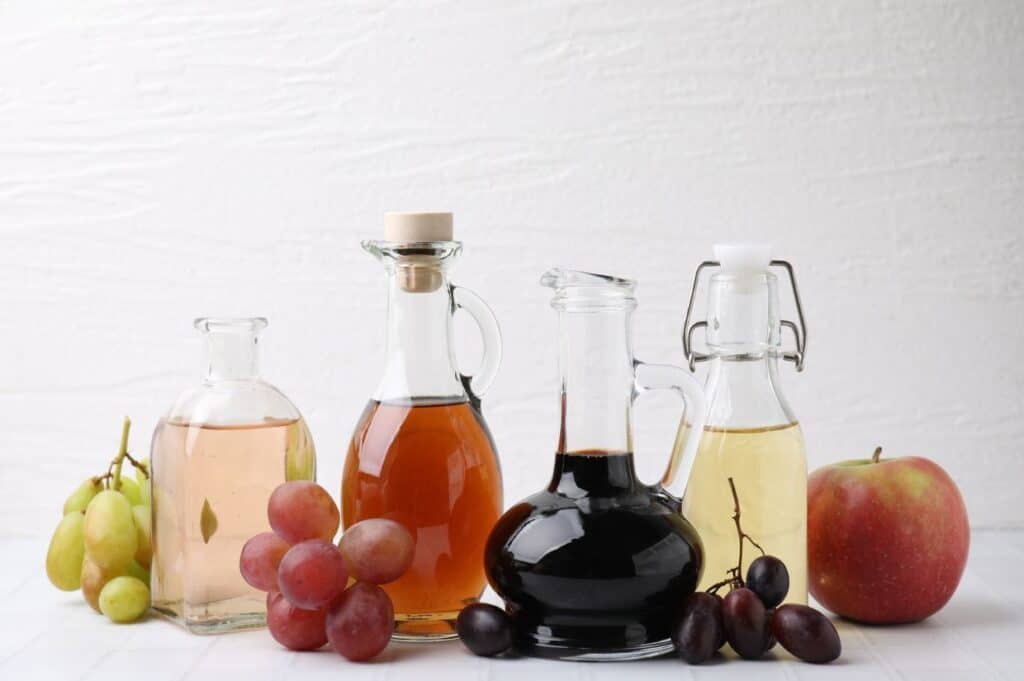
Not all red wine vinegars are created equal, and choosing a good one will make a noticeable difference in your cooking. Look for vinegars that list only red wine and natural ingredients, and avoid those with added caramel coloring or artificial flavors.
The color should be a rich, deep red or burgundy, similar to the color of red wine itself. The aroma should be clean and wine-like, without any harsh or chemical notes. While you don’t need to spend a fortune, investing in mid-range red wine vinegar from a reputable producer will give you better results than the cheapest option on the shelf.
Bringing bold flavors to everyday dishes
Red wine vinegar is a versatile ingredient that fits easily into many recipes. From making marinades and vinaigrettes to deglazing pans or adding a touch of brightness, it brings balance and flavor that can make everyday cooking more interesting.
Renee N Gardner is the creator behind Renee Nicole’s Kitchen, a recipe blog based on seasonal ingredients, dedicated to helping home cooks build their kitchen confidence to become home chefs. When Renee isn’t writing, developing recipes or photographing food, you’ll find her in the garden, traveling or enjoying the outdoors with her husband, son and two dogs.