
Saturday mornings had their own rhythm. You woke up, grabbed breakfast, and claimed the television before the lineup moved on without you. For kids who grew up in the 1980s and 1990s, the fun was not just the cartoons. It was the routine built around watching them at a set time.
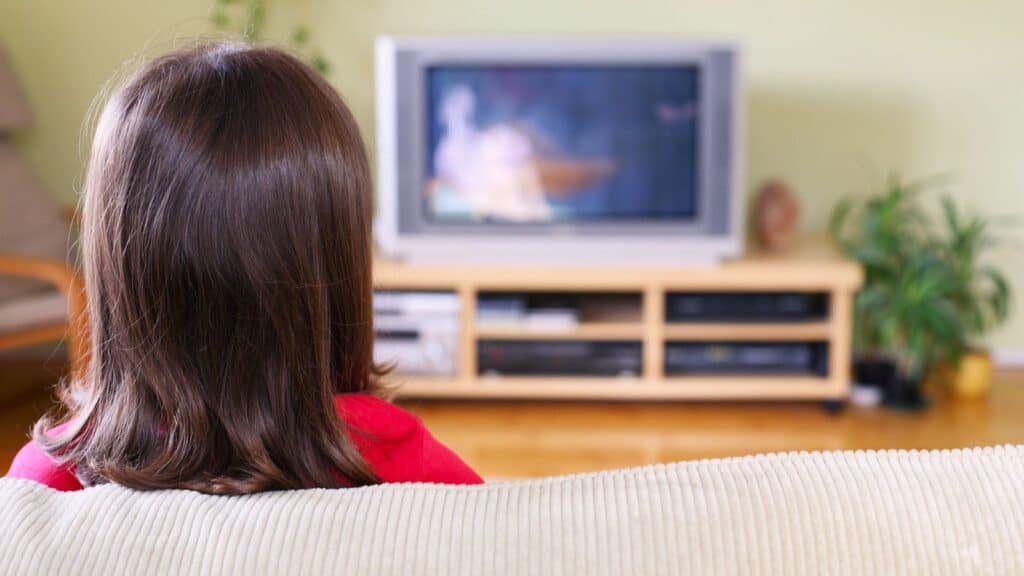
Waking Up Before Your Parents for Cartoons
School mornings required pleading. Saturdays could be different. If a favorite show started early, getting out of bed felt much easier when the reward was cartoons and a living room that still belonged to you.
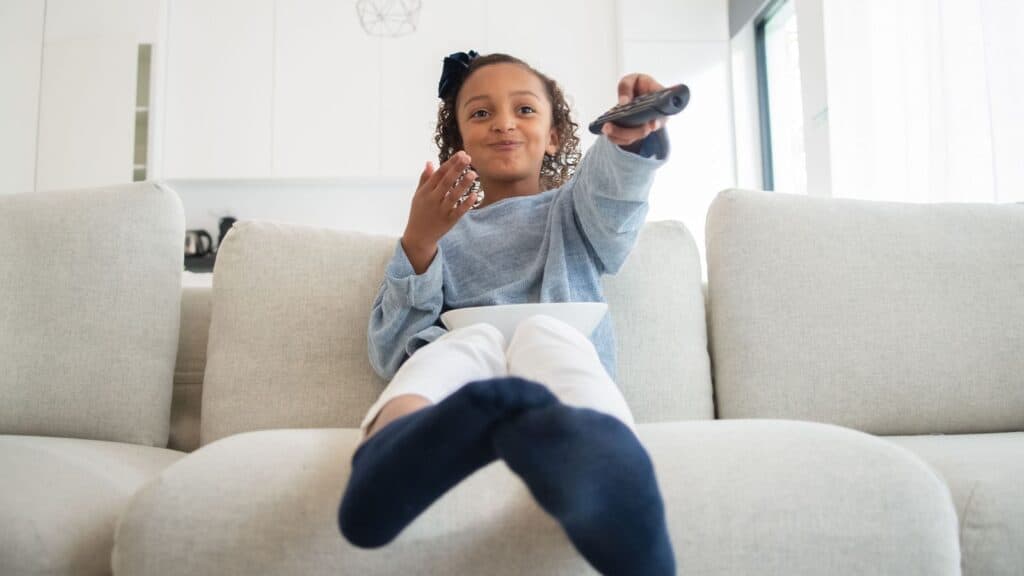
Cereal in Pajamas in Front of the TV
Breakfast often doubled as part of the viewing ritual. A bowl of cereal, pajamas and a spot near the television could turn an ordinary morning into something you looked forward to all week.
Knowing Every Theme Song by Heart
Cartoon openings had a way of sticking. After enough Saturdays, you could recognize a show from the first few notes and probably sing along before the title card disappeared.
Claiming the TV Before Anyone Else
Before every room had its own screen, the family television could become prime territory. Getting there first meant a better chance of watching your pick before a sibling or parent had another idea.
Adjusting the Antenna Until the Picture Behaved
If your household still relied on an antenna, getting a clear picture could become part of the routine. A small turn or bend could improve the signal, and finding the right position felt like a minor Saturday victory.
When the Toy Aisle and Cartoon Lineup Connected
He-Man offers a clear example of how toys and cartoons fed the same pop-culture machine. Mattel launched the original Masters of the Universe toy line in 1982, followed by the animated He-Man and the Masters of the Universe series in 1983. Children’s TV was also under changing federal rules.
The FCC eliminated its children’s commercialization guidelines in 1984, and a federal appeals court sent that decision back for further explanation in 1987. Congress then enacted commercial limits through the Children’s Television Act of 1990. The history was more complicated than simply turning cartoons into ads, but commercial pressure was part of the era.
ABC Gave Saturday Morning Its Own Identity
ABC made the block itself memorable. Disney’s One Saturday Morning debuted on September 13, 1997, as a two-hour show featuring cartoons plus short segments between them. It ended in September 2002, and ABC Kids began the following week. Disney’s archive dates ABC Kids from September 14, 2002 through August 27, 2011.
Missing an Episode Could Still Hurt
VCRs gave families a way around the schedule, especially by the 1990s. Pew Research Center notes that VCR ownership grew from 2% of U.S. households in 1980 to 70% by 1990. Still, somebody had to remember to set the recording. If nobody taped the episode and you missed the broadcast, waiting for a rerun was often the next option.
Watching the Saturday Block Give Way
By 2014, the classic network-cartoon model looked very different. The CW debuted One Magnificent Morning on October 4, 2014, a five-hour block of live-action educational and informational programs. That change made the contrast hard to miss for viewers who remembered Saturday mornings built around animation.
Why the Schedule Made It Special
The ritual worked because the clock mattered. Live viewing asked you to show up at the same time each week instead of building a personal queue whenever you felt like watching. Streaming makes cartoons easier to find, but scheduled Saturday mornings created anticipation before the first theme song even started. That anticipation may be the part nostalgia remembers best.