
At 5:30 p.m. on a Tuesday, there’s a particular kind of relief that comes from holding a warm rotisserie chicken in your hands. You know that twenty minutes later, you will be eating dinner with your family. There is no recipe needed, no pile of dishes to wash and no stress about timing; for a moment, the rest of the evening feels manageable instead of rushed.

This post may contain affiliate link(s). As an Amazon Associate, I earn from qualifying purchases. See Disclosures.
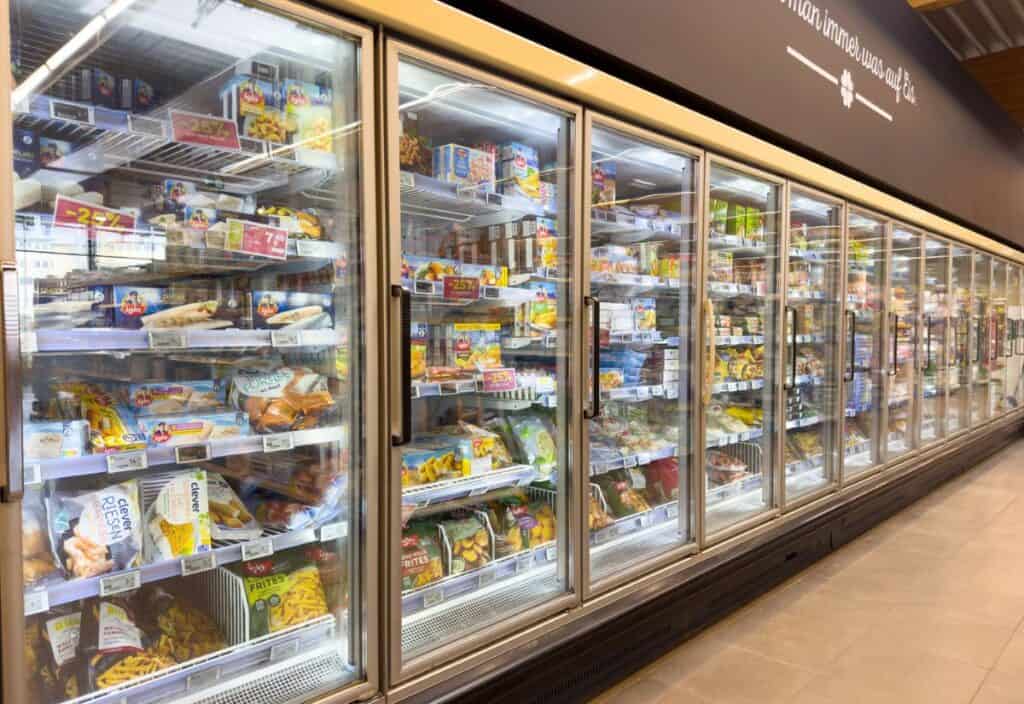
Shortcuts are now visible everywhere, from the freezer cases at the grocery store to recipes designed around timeliness. This shift to shortcut cooking isn’t about laziness or the death of cooking; it reflects how little time modern schedules allow.
This is how millions of Americans cook now. The shift happened gradually, then suddenly. Pre-chopped vegetables became standard, meal kits arrived at doorsteps and semi-homemade stopped being embarrassing.
When both parents work, when commutes stretch longer, when kids have soccer practice until 7 p.m., the old rules don’t apply. The question isn’t about whether to take shortcuts, it’s about which ones actually work.
The time math nobody talks about
Shortcut cooking works because it acknowledges a reality most recipes ignore: time spent cooking doesn’t begin when the pan hits the stove. It starts with planning, shopping and unpacking groceries, then ends long after dinner with cleanup.
Even the simplest meals carry hidden minutes that never appear in a recipe’s total time. Recipe time assumes a frictionless kitchen, while most home cooks are working around interruptions and end-of-day fatigue.
Then there are the minor, predictable disruptions. The pan you need isn’t clean, or the ingredient you assumed was there is gone. Life gets in the way, so a task that should take half an hour stretches out longer.
Convenience foods succeed because they eliminate entire steps, not just minutes. A rotisserie chicken replaces roasting, seasoning and monitoring, while frozen vegetables eliminate the need to wash and chop vegetables. Pre-washed greens turn a salad from an intention into a reality. Good jarred marinara means pasta night doesn’t require an hour of simmering tomatoes. These shortcuts save time and make dinner feel more manageable.
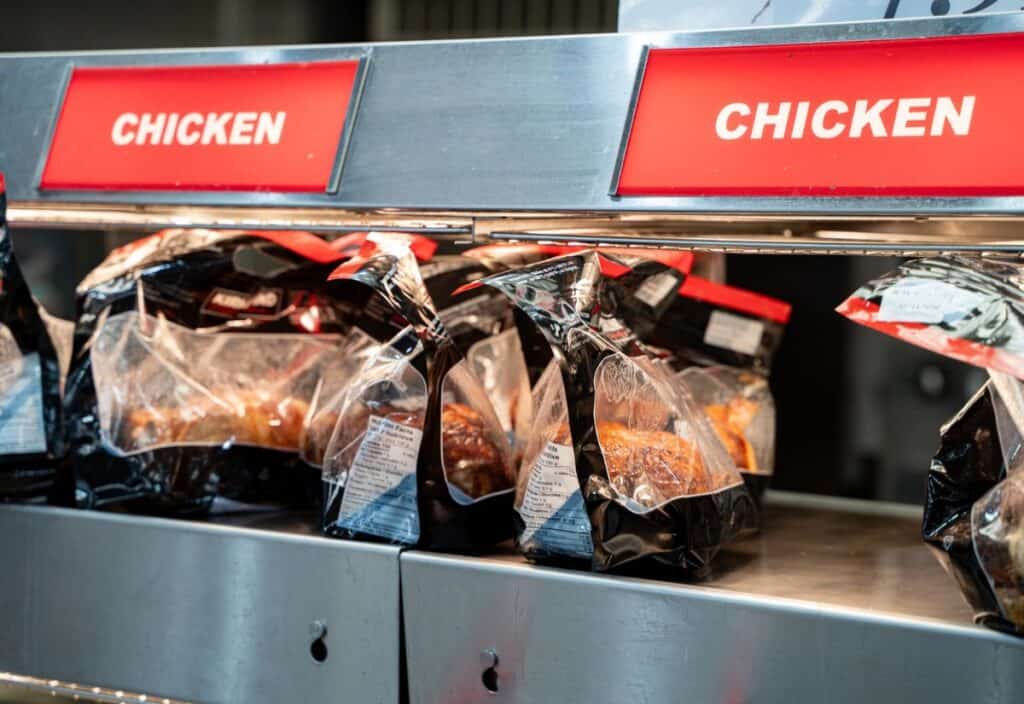
Home cooks tend to adopt shortcuts that reduce decision-making and failure points, like bagged coleslaw mix and frozen meatballs, rather than those that promise novelty. These small choices add up, shaping how people decide what kind of cooking is realistic on an average weeknight.
The enthusiasm for elaborate projects and novelty recipes faded, replaced by a focus on meals that fit easily into everyday life. Creativity mattered less than getting dinner on the table night after night. The pandemic sped this up, but it didn’t start it; it revealed how quickly from-scratch expectations fall apart under stress. When routines broke down, so did the idea that cooking had to look a certain way to count.
What stayed were the systems that made dinner predictable: a stocked freezer, a pantry with decent jarred sauce and a backup frozen pizza. Shortcut cooking grew because it fit how people actually live.
What we’re really buying
When you buy that rotisserie chicken, you’re not purchasing laziness; you’re buying 45 minutes to help with math homework. Those pre-cut vegetables aren’t about avoiding knife work. They’re about having energy left to listen when your partner talks about their day.
Kitchen stress radiates through the whole house. The mad dash to get food on the table sets a frantic tone that can linger through homework, baths and bedtime. However, when dinner is handled, the evening opens up and there is more space to breathe.
A calm evening is worth more than homemade pasta sauce. Your family won’t remember whether the vegetables were fresh or frozen, but they’ll remember whether you were present or stressed, patient or racing against time.
The bigger picture
Shortcut cooking is usually framed as giving up, cutting corners or failing some test of what real cooking should look like. But it isn’t laziness; it’s a practical response to modern schedules.
Previous generations cooked daily because they had to, and their lives were structured to support that work. Workdays ended earlier, commutes were shorter and fewer meals were eaten on the run.
The comparison falls apart when applied to modern schedules filled with long work hours, caregiving responsibilities, extracurricular activities, constant communication and the mental strain of constantly being reachable. Guilt about convenience foods is an outdated way of thinking from a different economy and a different time.
So find your personal balance between effort and sanity. Because success isn’t making everything from scratch; it’s feeding people and enjoying the evening together.
Anne Jolly is a seasoned writer and creator of the Upstate Ramblings blog, which explores America’s unique food culture. Her work on culinary trends and food traditions has appeared in major publications, including MSN, Fortune, The Mercury News, The Seattle Times, St. Louis Post-Dispatch and Education Week. When not writing, she experiments with new recipes and discovers local food gems in upstate New York.