
Soda companies have spent decades trying clear cola, blue cola, coffee cola, and extra-caffeinated soda. Some lasted only months, while others came back years later for another shot. These 11 drinks all saw their original run end, proving a soda can disappear from regular shelves without disappearing from memory.
Tab
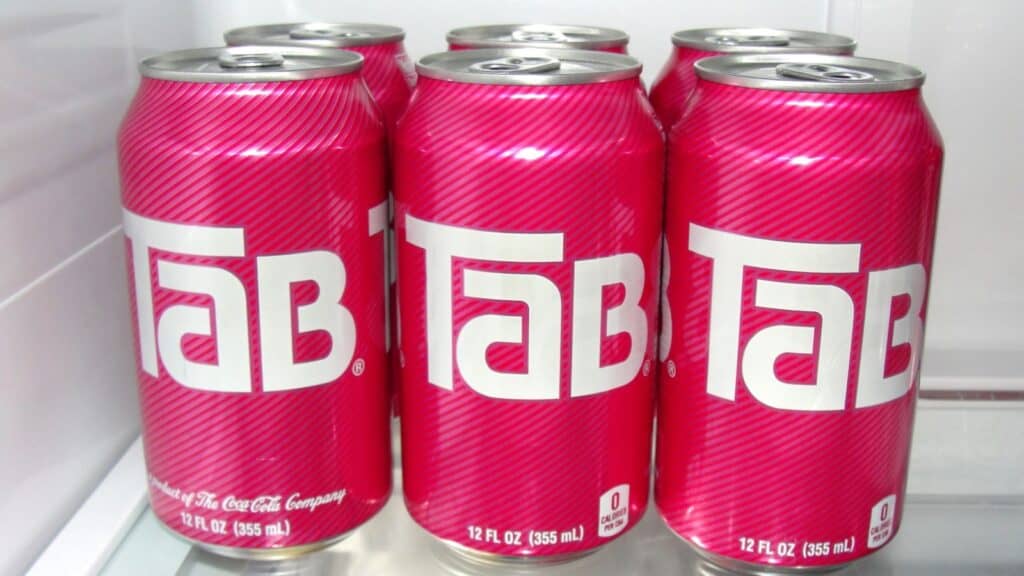
Coca-Cola introduced Tab in 1963 as its first diet soda. The pink-can favorite lasted for decades before Coca-Cola discontinued it in 2020. Fans still campaign for a return, and Tab can be sampled at the World of Coca-Cola tasting room, but it has not returned to regular U.S. shelves nationwide.
New Coke
Coca-Cola replaced its flagship formula with New Coke in 1985, then faced a backlash almost immediately. Just 79 days after the announcement, the company brought the original formula back as Coca-Cola Classic. New Coke was not abandoned that same day, but its brief turn as the only version of Coke was finished.
Jolt Cola
Jolt Cola arrived in the mid-1980s with a reputation built around extra caffeine. The company behind it later filed for bankruptcy in 2009. REDCON1 brought the Jolt name back in 2025 as a much stronger energy drink, and it now also sells a Jolt Modern Soda line. That newer revival is not an uninterrupted continuation of the original soda run.
Crystal Pepsi
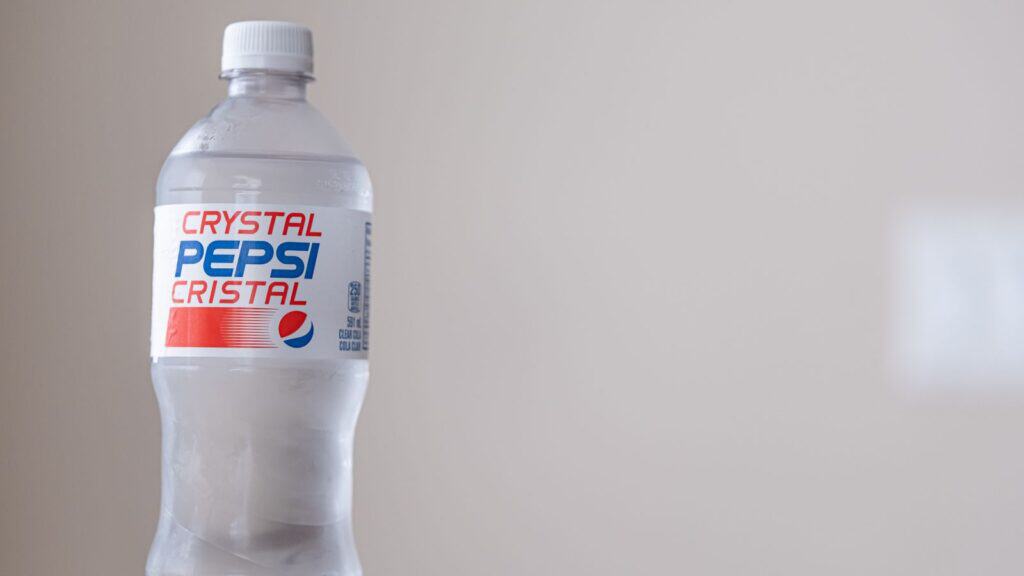
Pepsi took Crystal Pepsi nationwide in 1992, giving shoppers a clear cola at a time when clear products were having a moment. The original run was over by early 1994. Nostalgia kept the name alive, though, and Pepsi brought Crystal Pepsi back again for a limited 30th-anniversary release in 2022.
OK Soda
OK Soda was built for a very specific slice of the 1990s. Coca-Cola aimed it at Generation X with unconventional ads, comic-style cans and a deliberately detached attitude. It never became a normal nationwide product. Coca-Cola tested it in selected markets, then pulled the plug in 1995 after sales fell short.
Surge
Coca-Cola launched Surge in 1996 as a highly caffeinated citrus soda. Its first run lasted until 2003. Fans kept the name alive long enough for Coca-Cola to revive Surge through limited Amazon sales in 2014. That comeback also faded, leaving the bright green soda as another product with more than one disappearance.
Pepsi A.M.
Pepsi tried turning cola into a breakfast drink in 1989 with Pepsi A.M., a version containing more caffeine than regular Pepsi. The idea was aimed at people looking for a morning alternative to coffee, but it never found enough of an audience. Pepsi discontinued the soda in 1990, giving it one of the shorter original runs on this list.
Pepsi Blue
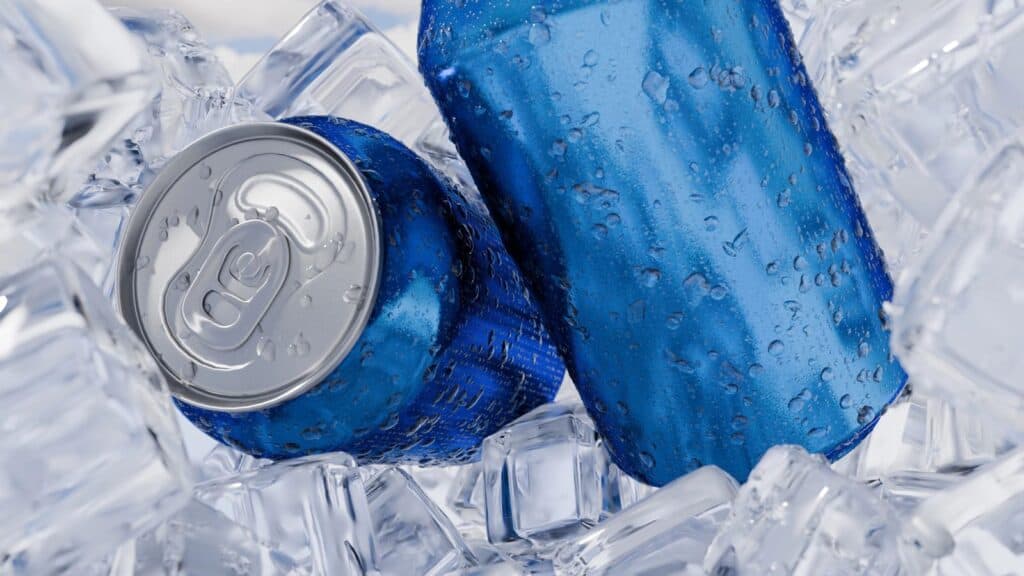
Pepsi Blue arrived in 2002 with a vivid color and a strong berry flavor aimed at younger soda drinkers. The original U.S. run ended in 2004. Pepsi gave the idea another chance in 2021 with a limited return, but that revival disappeared too.
Dr Pepper Red Fusion
Dr Pepper Red Fusion also arrived in 2002, marking the brand’s first new flavor after more than a century. The bright red, fruit-flavored soda started well enough to move beyond test markets. Sales did not hold up, and Dr Pepper discontinued Red Fusion by 2004.
Coca-Cola C2
Coca-Cola C2 tried to occupy the middle ground between regular and diet cola. It reached the U.S. in 2004 with half the sugar, calories, and carbohydrates of regular Coca-Cola. The compromise did not find a lasting audience, and Coca-Cola discontinued C2 in 2007.
Coca-Cola Blak
Coca-Cola Blak mixed cola with coffee flavor and reached the U.S. in 2006. The company hoped the drink could tap into the premium coffee market, but its stay was short. Coca-Cola discontinued Blak in 2007 and sold remaining stock into 2008.
The Bottom Line
A short shelf life does not guarantee a soda will be forgotten. Several of these drinks returned years later, while others still inspire fan campaigns and collector interest. The common thread is not that every comeback worked. It is that a strange soda can leave a much longer memory than its original run would suggest.