
Soup swap parties transform fall meals into a community event as more people look for practical ways to share food and cut down on solo prep. By focusing on soups that freeze well and rely on affordable, in-season ingredients, home cooks can turn a single recipe into multiple portions ready to share or stock for later. This shared approach to meals offers an easy way to host while reinforcing food-saving habits that matter to more households.
This post may contain affiliate link(s). As an Amazon Associate, I earn from qualifying purchases. See Disclosures.
A smooth soup swap depends on more than just what goes in the pot. From clear labels to freezer-ready containers, these behind-the-scenes choices help preserve flavor, avoid waste and ensure that every portion stays safe and ready to reheat.
Soup swap defined
A soup swap party combines meal prep, socializing and a low-stress potluck into one simple event. Guests bring a homemade soup in labeled containers that can be refrigerated, then exchange them with others to take home. This approach saves time in the kitchen while adding variety to weekly dinners.
Hosting can adapt to fit any group or schedule. Some opt for a casual drop-off and pickup system, while others prep tasting stations, warm beverages and printed recipes. Whether with friends, coworkers or neighbors, the flexible format makes it easy to organize and rewarding to attend. Participants walk away with ready-made meals and a stronger sense of community.
The seasonal soup advantage
Fall provides the perfect setting for soup swapping with its abundance of root vegetables, hardy greens and legumes that are both affordable and seasonal. Many fall soups freeze well and provide multiple servings, making them cost-effective options for busy households.
As schedules tighten, batch cooking becomes more practical. Swapping soups allows each person to cook once, freeze bowls and have meals for weeks, reducing last-minute preparation and limiting food waste. The exchange also introduces variety by letting participants enjoy different homemade recipes without extra effort, making it a smart solution when time and resources are limited.
Keep your swap organized
Start with a group of four to 10 people to keep the swap manageable. Each guest should prepare a large batch of one soup and divide it into four to six containers labeled with the soup name, preparation date and reheating instructions. Use freezer-safe containers with lids or quart-size resealable bags for easy storage.
To encourage interaction, arrange a table for recipe cards and provide small cups for tasting before the swap begins. Supply markers and extra labels or bags for any last-minute adjustments. Inform guests ahead of time about how many containers to bring and suggest they bring coolers or insulated bags to keep the soups safe during transport.
Smart options for swapping
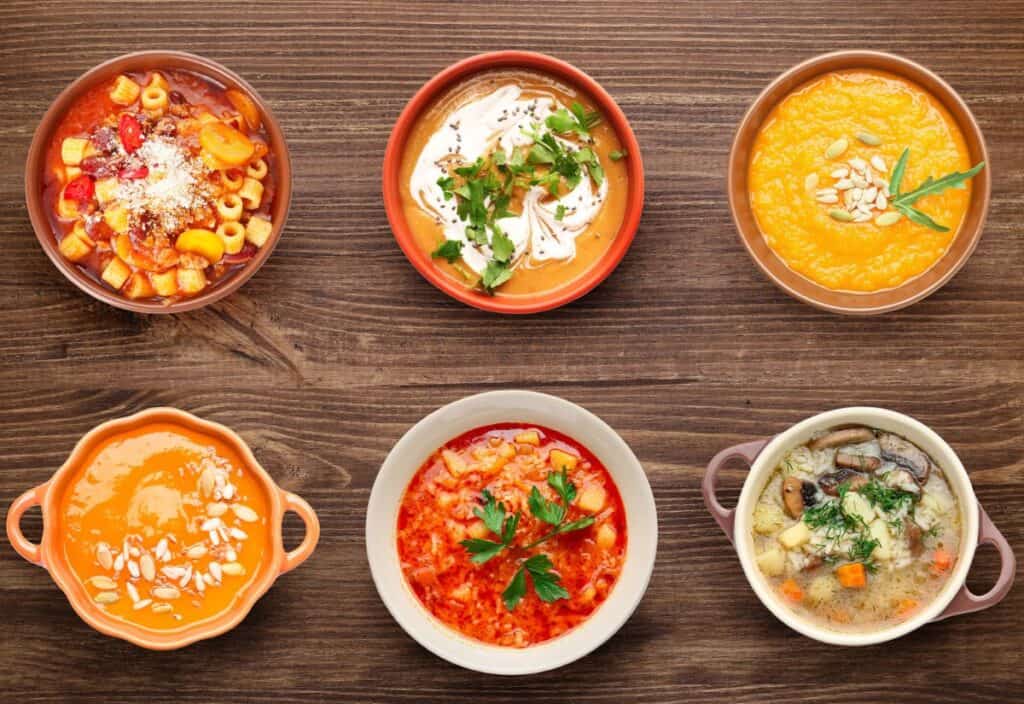
Soups that freeze and reheat well tend to be hearty and built around legumes or vegetables. Lentil, split pea and other bean-based soups retain their texture and flavor after freezing. Pureed soups such as butternut squash, pumpkin and sweet potato store well and have a smooth, rich consistency once reheated. Chicken tortilla, minestrone and black bean stay intact with proper packaging. Creamy tomato soups work if cooks add dairy after thawing and just before serving. Chili and vegetable soups with robust ingredients make good swap candidates.
Soups containing pasta, rice or tender greens do poorly in the fridge because the ingredients absorb liquid and break down during storage, leading to mushy or bland results. Dairy-heavy soups also freeze poorly unless cooks add dairy after reheating. Avoid recipes that rely on delicate textures or fresh toppings since their flavors can’t survive thawing and reheating.
Storage and food safety tips
After cooking, cool the soup to room temperature before placing it in the freezer. Use containers that leave space for the soup to expand during freezing. Seal lids tightly and clearly label each container with the soup name and preparation date for easy identification.
Most soups can last for up to three months when frozen properly. When reheating, bring the soup to at least 165 degrees Fahrenheit to ensure food safety. Avoid leaving thawed soup at room temperature for long periods, and never refreeze it. Following these steps keeps the soup swap safe and convenient for all participants.
Where food meets community
Soup swaps provide a practical solution amid rising grocery costs and busy schedules, giving people a way to enjoy homemade meals without added stress. These gatherings make sharing food and social time easy while reducing the cooking load for everyone involved.
The event also brings together people who might not otherwise connect, fostering trust through sharing. Soup swaps promote sustainability by cutting down on single-use packaging and using ingredients efficiently. This kind of community gathering welcomes cooks of all skill levels, requiring only one reliable recipe and a willingness to join in.
Building connections through soup
Beyond convenience, soup swaps reflect a growing focus on food, community and budgeting. As grocery costs rise and social connections become harder to maintain, this simple event offers a solution for both needs. It helps households stock freezers, stretch dollars and create meaningful moments around shared meals. That mix of practicality and warmth is why soup swaps continue to be relevant among fall traditions.
Jennifer Allen is a retired professional chef and long-time writer. Her work appears in dozens of publications, including MSN, Yahoo, The Washington Post and The Seattle Times. These days, she’s busy in the kitchen developing recipes and traveling the world, and you can find all her best creations at Cook What You Love.