
Spring cleaning comes back each March with overflowing carts, packed hardware stores and bold promises to reset every corner of the house. In 2026, the annual ritual carries fresh urgency as discussions about indoor air quality move from a quiet footnote to a front-page concern. A few determined hours with sprays and scrub brushes can leave more behind than a polished countertop.
This post may contain affiliate link(s). As an Amazon Associate, I earn from qualifying purchases. See Disclosures.
Growing scrutiny now surrounds how seasonal cleaning practices affect the air inside American homes. Ventilation guidance, disinfectant use and digital cleaning trends collide during the busiest sanitation weeks of the year. As the spring reset takes hold, clean means more than shine; it means paying attention to what circulates long after the work is done.
Ventilation gains priority
March begins the spring cleaning period across many U.S. households as warmer weather makes window ventilation practical. Federal indoor air quality guidance recommends increasing ventilation during and after cleaning to reduce exposure to airborne contaminants released from disinfectants and other chemical products.
Homes often operate with closed windows during winter to conserve heat, limiting outdoor air exchange and allowing indoor pollutants to accumulate. When spring cleaning disturbs settled dust and introduces sprays, those particles enter indoor air at higher concentrations.
Opening windows increases air exchange by replacing indoor air with outdoor air. Exhaust fans and mechanical ventilation systems further reduce airborne contaminant levels by directing polluted air outside, and increased airflow lowers indoor pollutant concentration during active cleaning.
Disinfectant use changes indoor air chemistry
Modern disinfectants rely on active chemical agents that react with microorganisms on treated surfaces. When these agents contact organic matter or incompatible cleaning products, they can form secondary chemical byproducts inside enclosed spaces. Some reactions release gases that irritate the respiratory tract and eyes within minutes of exposure.
Mixing bleach with acidic cleaners or ammonia-based products can produce chlorine or chloramine gases, which may cause coughing, chest tightness and breathing difficulty even at low concentrations. Poison control centers regularly document incidents linked to unintended product combinations during household cleaning.
Safety data sheets outline chemical composition, reactivity warnings, required precautions and incompatible substances while also describing potential hazardous byproducts. Reviewing safety information before use reduces the likelihood of reactive gas formation inside indoor environments.
Filtration systems stabilize airborne particle levels
Mechanical filtration affects how airborne dust behaves during intensive cleaning activities. Vacuuming carpets, brushing upholstery and disturbing stored fabrics release fine particles into circulation, and HVAC systems equipped with properly rated filters remove a portion of that material as air passes through the system.
Filters with higher minimum efficiency reporting value ratings capture smaller particles than lower-rated filters, improving overall removal efficiency. Replacing loaded filters before seasonal cleaning maintains airflow and ensures the system operates as designed during periods of increased particle generation.
Portable air cleaners that use high-efficiency particulate air filtration remove fine particles from indoor air by pulling air through dense filter media. When sized appropriately for the room, these devices reduce suspended dust levels after active cleaning.
Cleaning routines and exposure control
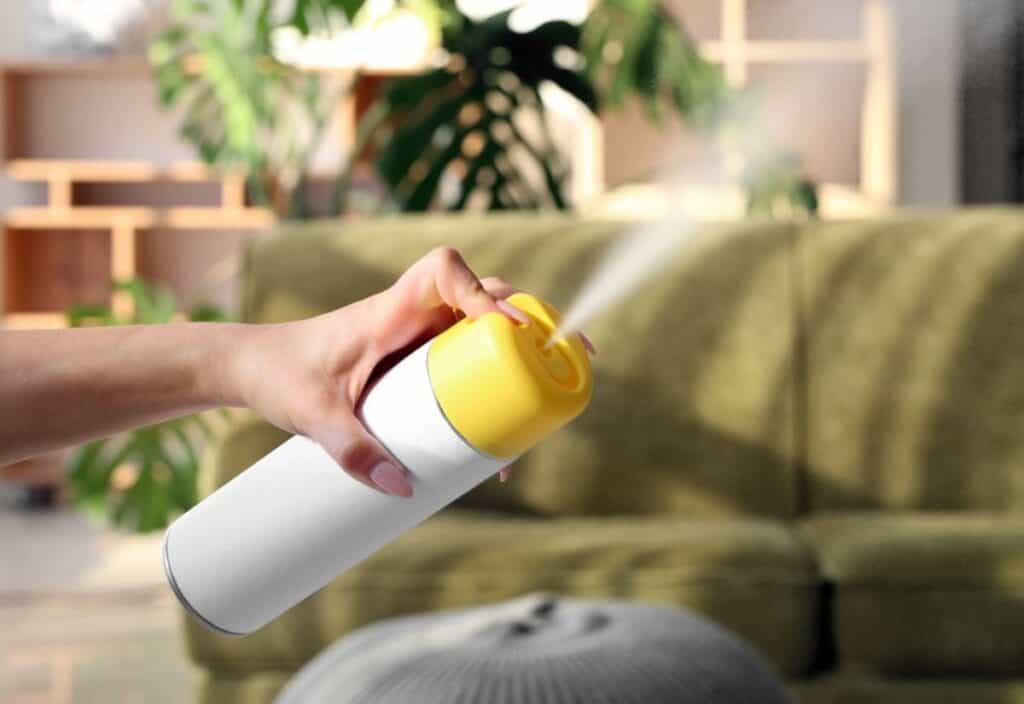
How products are applied affects how much residue remains suspended indoors during seasonal deep cleaning. Spraying solutions onto cloths instead of into open air reduces mist spread and limits unintended inhalation, while using only the amount listed on the label keeps product volume within the tested parameters.
Spacing tasks throughout the day reduces concentrated chemical presence within a single time window. Allowing surfaces to dry fully before reapplication prevents excess buildup on treated areas, and sealing containers immediately after use limits unnecessary evaporation inside enclosed spaces.
Breaking larger projects into manageable segments supports steadier indoor conditions over time. Completing one room before moving to the next avoids overlapping product use across multiple enclosed areas, keeping seasonal cleaning efficient while reducing avoidable indoor exposure.
Social media drives spring cleaning habits
Each March, social media platforms such as TikTok and Instagram feature spring-cleaning videos that show rapid transformations and carefully staged routines. Online creators such as Vanesa Amaro often film extended product applications, thick foam coverage and dramatic wipe downs designed for visual impact on screen.
Social media trends also influence seasonal routines, with some Americans reporting that online cleaning content changes how they approach spring cleaning. Product demonstrations often emphasize scent and surface shine over safety details. At the same time, spring capsule kitchen planning focuses on growing interest in more intentional household stocking during seasonal resets.
The Centers for Disease Control and Prevention and the American Cleaning Institute regularly remind consumers to follow label directions and avoid mixing products during heavy cleaning periods. Cross-checking viral demonstrations with official safety guidance keeps seasonal routines aligned with tested usage standards.
The clean standard evolves
Spring cleaning traditions remain familiar, but the framework around them continues to change. Indoor air has entered the discussion as a measurable part of household upkeep, not a background detail. In 2026, the definition of clean extends beyond surfaces and into the environment people live in every day.
Zuzana Paar is the creator of Sustainable Life Ideas, a lifestyle blog dedicated to simple, intentional and eco-friendly living. With a global perspective shaped by years abroad, she shares everyday tips, thoughtful routines and creative ways to live more sustainably, without the overwhelm.