
Unexpected squash varieties are trending on restaurant menus across North America, turning this seasonal produce into headline ingredients. Chefs rely on squash for its adaptability, rich texture and ability to carry bold flavors. Its growing presence reveals a shift toward practical ingredients with serious value in meals.
This post may contain affiliate link(s). As an Amazon Associate, I earn from qualifying purchases. See Disclosures.
The crop is moving beyond its usual roles as a noodle substitute or pie filling. Restaurants now work with different kinds of squash that bring natural intensity and contrast to dishes, giving familiar recipes a new direction and making room for fresh creations.
Uncommon squash hits menus
Menus across the United States are embracing seasonal produce, and squash is gaining popularity as a flavorful and flexible ingredient. Changes in supply chains continue to steer restaurants toward local sources and regional ingredients.
Chefs looking to add substance to plant-forward dishes turn to squash for its color, texture and natural sweetness. Varieties like delicata and kabocha are especially popular as they bring depth and balance to dishes without overwhelming other components. This trend of using various kinds of squash reflects not just changing tastes but also a more deliberate move toward regionally grown vegetables.
Flavor-packed squash options
Not all squashes stay behind the scenes. A few standout varieties are stealing attention on menus for their bold flavors and visual appeal. These options turn heads in restaurants across the U.S., bringing creativity and new flavors to dishes.
Honeynut squash
Honeynut squash, developed by Cornell plant breeder Michael Mazourek and Chef Dan Barber, packs flavor into a smaller, denser version of the classic butternut. Its deep orange flesh turns sweeter when roasted, making it a standout for chefs seeking seasonal balance and color on the plate. Empellón in New York features honeynut squash juice as a component in their pumpkin seed cappelletti with achiote, adding both earthiness and depth to the pasta.
Kabocha squash
Kabocha squash, also called Japanese pumpkin, adds a starchy, nutty depth to seasonal menus. At Momotaro in Chicago, it’s folded into noodle bowls where its richness complements broths and fresh vegetables. The squash’s dark green skin is sometimes left on, adding visual contrast and a tender bite. Its versatility also makes it a favorite for grilled or miso-glazed preparations in izakaya-style dining.
Delicata squash
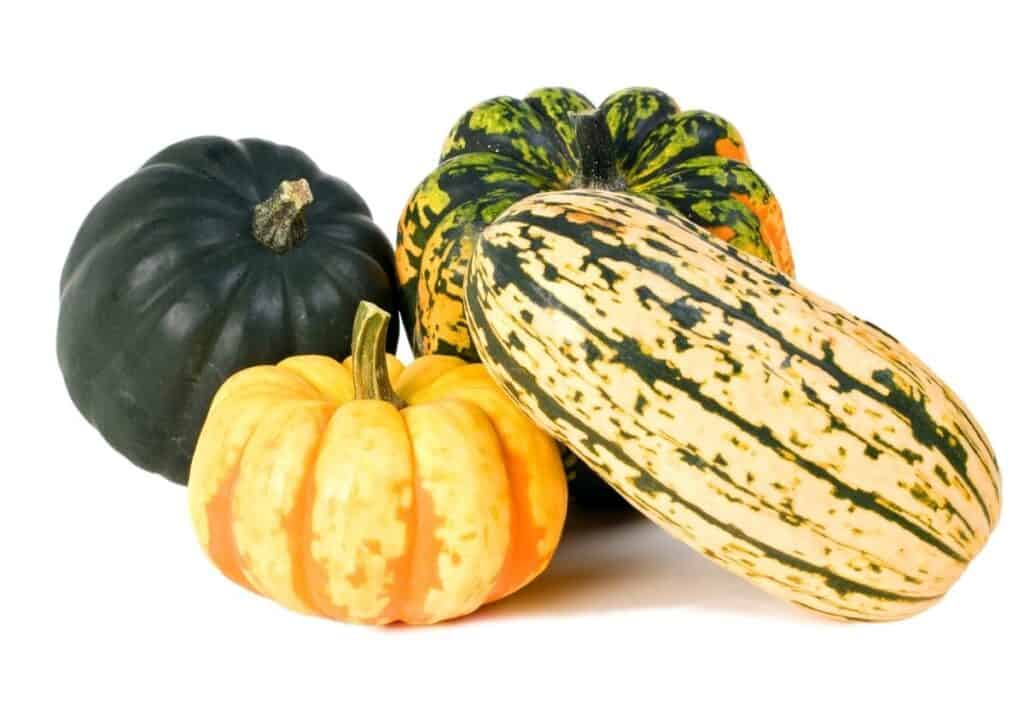
Delicata squash stands out for its edible skin and compact size, which makes it ideal for everyday cooking. Its smaller seed cavity and delicate skin cut down prep time, making it a convenient choice for weeknight stir-fries or sheet pan dinners. Gage & Tollner in Brooklyn featured it in its Restaurant Week Winter 2025 menu, layering slices into its G&T Turkey Club sandwich alongside bacon and kimchi cranberry.
Fairytale pumpkin
Fairytale pumpkins, or Musquée de Provence, have bright orange flesh and a dense texture that holds up well in both sweet and savory dishes. Often compared to butternut squash, their flavor develops a rich, caramelized sweetness as it roasts. Because its availability changes depending on location and season, Acre in Missouri only previously featured a Fairytale pumpkin soup garnished with poached cherries and Marcona almonds, which highlighted the squash’s versatility.
Blue Hubbard squash
Once considered too large for modern kitchens, Blue Hubbard is making a seasonal comeback in fine-dining spaces. It offers a subtly sweet flavor and slightly grainy texture, making it especially suitable for smooth purées, hearty soups and baked desserts. Due to its seasonal availability, the Bavarian Inn in Michigan last featured Blue Hubbard squash as a hot side dish during their Thanksgiving 2024 Harvest Buffet.
What makes squash stand out
Diners are increasingly drawn to squash for its depth of flavor and seasonal character. Its natural sweetness and variety of textures make it adaptable across different cuisines and dietary needs. Dishes that feature regional produce continue to resonate with diners who value seasonal sourcing, and squash aligns naturally with that demand.
Visual contrast also adds to squash’s kitchen value, especially with varieties like honeynut and delicata that roast into vibrant, caramelized slices. Their bright color signals ripeness and depth, reinforcing their appeal in fall and winter cooking. Squash brings comfort to menus without weighing down a dish, making it a flexible fit for both refined and casual meals.
Taste squash across the map
Across North America, chefs are giving squash a prominent place on seasonal menus, using its versatility to bridge regional styles and cooking traditions. In the South, it appears in casseroles and charred side dishes, while the Northeast showcases roasted dishes with maple glazes or cider reductions. On the West Coast, it’s in grain bowls, tacos and plant-forward entrees that lean into texture and balance.
Whether puréed, grilled or shaved raw, squash appears in dishes that go beyond soup, often paired with bold spices, cheeses or unexpected proteins. Its ability to adapt without losing character has made it a reliable ingredient in kitchens looking to push new fall flavors.
Seasonal squash at home
Home cooks who want to experiment this season will find squash an easy and rewarding option. Varieties such as honeynut, delicata and buttercup are widely available in North American markets through the fall. Roasting brings out their natural sweetness, while adding them to soups or pasta provides depth and richness without much effort.
For those craving something unexpected, squash can replace potatoes in hash, bulk up grain bowls or anchor vegetarian entrées. Stuffed halves work well for make-ahead meals, and pan-seared slices cook quickly without sacrificing flavor. Whether used as a base, filler or side, squash fits seamlessly into home cooking routines while adding a seasonal touch.
From garnish to centerpiece
Squash no longer plays a supporting role. Across North America, chefs treat it as a core ingredient, making dishes that take full advantage of its texture and depth. Restaurants lean into their range, from delicate to hearty, while diners respond to fresh yet familiar flavors. As menus shift with the season, squash continues to earn its place as a key part of the plate.
Mandy Applegate is the creator behind Splash of Taste and seven other high-profile food and travel blogs. She’s also co-founder of Food Drink Life Inc., a unique and highly rewarding collaborative blogger project. Her articles appear frequently on major online news sites, and she always has her eyes open to spot the next big trend.