
April 30, 2025, marks Stop Food Waste Day, a global initiative that highlights the staggering amount of food wasted worldwide. It’s a day to reflect, but also a reminder that every meal counts. Each time we plan a meal, pack leftovers or check the fridge before shopping, we have a chance to help reduce waste.
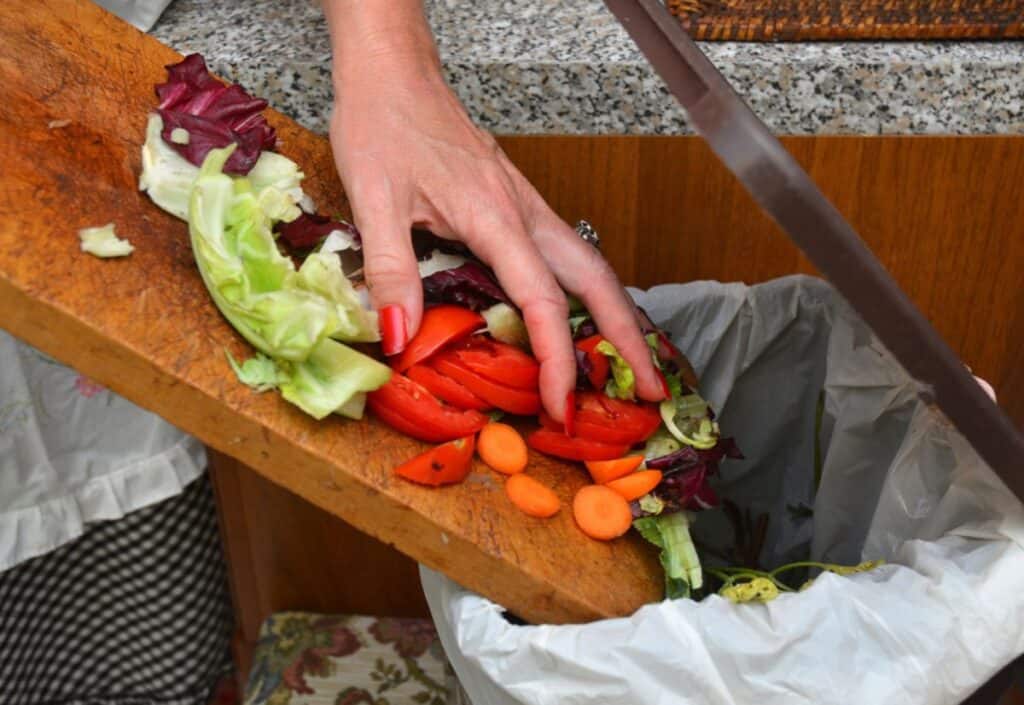
While the spotlight is on stopping food waste today, the idea is to carry this awareness beyond April 30 and into daily routines. We can do this by shopping smarter, cooking with intention and using every ingredient to its full potential. These everyday choices, repeated over time, build habits that help fight waste in a meaningful way.
The bigger picture
Data from ClimateScience states that approximately 30% of all food is lost or wasted worldwide. On average, that equals around 775 kilocalories per person per day, roughly the same as tossing out a dozen eggs or more than two dozen large carrots, every single day.
Food waste happens for many reasons: people throw away food because it’s past its expiration date, it looks imperfect, it’s stored poorly or simply because too much was bought in the first place. Globally, that adds up to around 1 billion hectares of land and 660 cubic kilometers of water lost each year. To make matters worse, wasted food contributes heavily to climate change — not only through the emissions from production and transport, but also from methane released as it breaks down in landfills.
According to the United Nations, food loss and waste put pressure on the sustainability of our food systems. Every time people waste food, they waste resources used to grow, harvest, process, and transport it, including water, land, energy, labor and money. To build food systems that are truly resilient, we must place sustainability at the core. That means adopting smarter, more connected approaches — from local composting programs to digital tools that help manage surplus food before it spoils.
How to take action at home
The United States Environmental Protection Agency says planning, prepping and storing food with intention can go a long way in reducing household waste. Here are a few thoughtful habits in the kitchen and at the store that can help keep more food on the plate and less in the bin:
Planning and shopping tips
Smart grocery habits are one of the easiest ways to cut down on food waste. It starts with choosing meals that the household already enjoys, such as familiar favorites that guide the grocery list and help ensure every item gets used. A quick check of the fridge, freezer and pantry before shopping keeps shoppers from buying duplicates and encourages meals built around ingredients already on hand.
Matching the list to the week’s routine is another helpful step. Factoring in takeout nights, leftovers or busier days when cooking isn’t realistic can prevent overbuying. Adding details like spinach for two lunches keeps portions in check.
And while bulk bins and discounts can offer value, they only help when the food is stored properly and used in time. Choosing imperfect produce or upcycled goods is another practical and sustainable way to make the most of the food system without contributing to the waste stream.
Storage tips
Storing food the right way can make a big difference when it comes to waste. Keeping fruits and vegetables in the right part of the fridge helps preserve their texture and flavor — leafy greens, carrots and broccoli do better in the high humidity drawer, while mushrooms and peppers last longer in low humidity.
Some fruits, like bananas and apples, give off ethylene gas that speeds up ripening, so it’s a good idea to store them separately from produce that spoils easily. Berries and grapes stay fresher when washed only right before eating.
It also helps to understand the layout of your fridge. The door is the warmest spot, which is ideal for condiments but not milk or eggs. The coldest part is the lower shelves, where it’s best to store meat, poultry and fish. Refrigerators should stay at 40 degrees Fahrenheit or below. And don’t forget the freezer as a powerful tool for saving bread, fruit or leftovers that won’t get eaten in time. Just label and date items so they’re easy to find later.
Cooking and preparation tips
Getting creative in the kitchen is one of the most enjoyable ways to cut back on food waste. Ingredients that are slightly past their prime or leftover odds and ends can still be transformed into soups, casseroles, frittatas, stir fries, sauces, grain-based salads, smoothies or baked goods.
Stale bread makes great croutons or French toast, while beet greens and other edible scraps can become delicious side dishes or soup stock. Knowing the difference between sell-by, use-by and expiration dates also helps prevent tossing food that’s still safe to eat.
Cooking just the right amount is another smart habit. Planning portions based on the number of people eating helps avoid uneaten leftovers, and storing extras in clear, labeled containers makes them easy to use later. When there’s a surplus of fresh produce, techniques like freezing, canning, pickling or dehydrating can extend shelf life and reduce waste, especially during peak seasons.
Share the message
Food waste might start at home, but the impact multiplies when people work together. Sharing food-saving tips, recipes and even leftovers with friends, neighbors or coworkers helps build everyday awareness. Mentioning how you use up produce scraps, organizing a food-sharing box at work, or even posting a photo of your clean out the fridge dinner are all simple ways to make food-saving feel practical and personal. These small actions open the door for bigger conversations — and that’s where change really starts:
Start conversations that stick
Food waste isn’t always top of mind, but it becomes easier to talk about when people see practical examples. Mentioning a go-to leftover recipe, swapping tips during lunch break or even sharing small wins on social media can make waste reduction feel more normal and more doable.
Support local food initiatives
From food banks to composting hubs, community programs are already helping reduce food waste, and there are plenty worth supporting. For instance, City Harvest in New York City rescues millions of pounds of food each year and redistributes it to those in need.
In California, Food Forward collects surplus produce from farmers markets, backyard trees and wholesalers, redirecting it to hunger relief organizations across Southern California. The Food Recovery Network empowers students across the U.S. to recover surplus food from college campuses and donate it locally. And Imperfect Foods delivers ugly but perfectly edible groceries straight to homes, helping reduce waste before it starts.
Supporting these efforts by donating, volunteering or spreading the word can extend your impact beyond your own kitchen. Local restaurants and retailers are also getting creative, using surplus ingredients or offering discounts on foods near their sell-by date.
Use tech to spread change
Apps and online platforms make it easier than ever to rescue food and rethink the way people shop, cook and store meals. Tools like Too Good To Go connect users with restaurants and bakeries offering heavily discounted surplus food that would otherwise go to waste.
Olio helps neighbors share extra food and household items locally, making it easy to give away rather than throw away. Flashfood partners with grocery stores to offer soon-to-expire products at lower prices, cutting waste and costs at the same time. There are also apps like NoWaste that help track what’s in the fridge and suggest recipes based on what’s already on hand.
Sharing these tools with friends or community groups can make food-saving habits easier and more accessible to everyone. Technology isn’t just convenient; it’s a growing part of the food waste solution.
Make every meal count
Stop Food Waste Day shines a light on a growing issue, but it doesn’t end when the day does. Every mindful choice adds up. From how we plan and store food to how we cook and share it, small actions help build better habits. Because when food is valued at each stage, every meal really does count.
Zuzana Paar is the visionary behind four inspiring websites: Amazing Travel Life, Low Carb No Carb, Best Clean Eating and Sustainable Life Ideas. As a content creator, recipe developer, blogger and photographer, Zuzana shares her diverse skills through breathtaking travel adventures, healthy recipes and eco-friendly living tips. Her work inspires readers to live their best, healthiest and most sustainable lives.