
Summer camp never looked the same from one place to the next, but many sleepaway camps shared rituals that became instantly familiar. Campers met new bunkmates, learned waterfront rules, waited for canteen treats, and filled evenings with songs and stories. Many of these customs started decades before the 1980s and 1990s, and a mix of period records and later histories shows how deeply they became part of camp life.
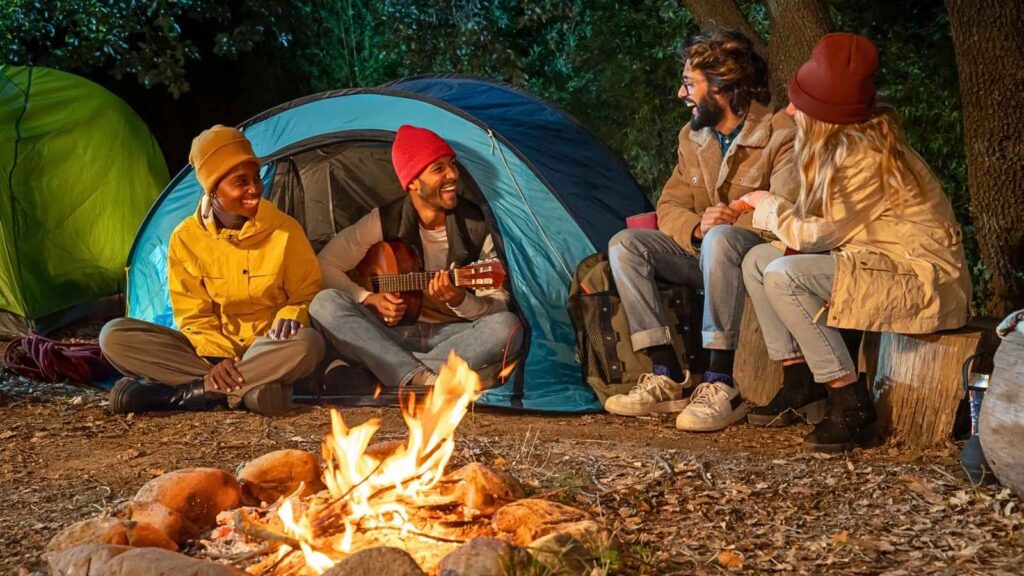
Bunk Assignments with New Cabinmates
Arrival day could mean meeting the people you would live with for the next few weeks. Camps often placed children with campers they had not chosen themselves, even when bunk requests were allowed. The American Camp Association describes bunk life as a chance to live with people with different interests and personalities.
That First Bout of Homesickness
Missing home was common, especially for younger or first-time campers. A summer camp study reports that 10% to 20% of children experience moderate-to-severe homesickness that can interfere with functioning at camp. For many campers, activities and cabin routines helped the days begin to feel more familiar.
Letters Home Before Texting
Before quick messages from a phone were an option, camp news often arrived on paper. The Camp Fuller archive preserves letters written under pressure from counselors or directors who insisted campers write home. The collection even recalls letters being used as meal tickets, giving parents a snapshot of camp life whether kids felt like writing or not.

The Waterfront Swim Test
Swimming privileges often started with a skills check. Michigan’s current camp regulations require campers to be classified by aquatic ability before taking part in aquatic activities, with untested campers treated as non-swimmers. Campers are generally limited to activities within their classification except during formal instruction.
A Trip to the Canteen
Camp stores could turn an ordinary day into treat day. Camp Foley’s 1992 materials list a canteen account covering limited candy and drinks plus camp clothing, toiletries, film, stamps and stationery. The setup varied by camp, but access to snacks and little extras was a recognizable part of sleepaway life.
Care Packages and Hidden Candy
A box from home could become more exciting when food rules were strict. A 1988 camp report from Cottontail Ranch described campers hiding forbidden candy in stuffed animals and an Irish Spring box. Staff also searched packages sent from home, turning contraband sweets into a real camp-era memory.
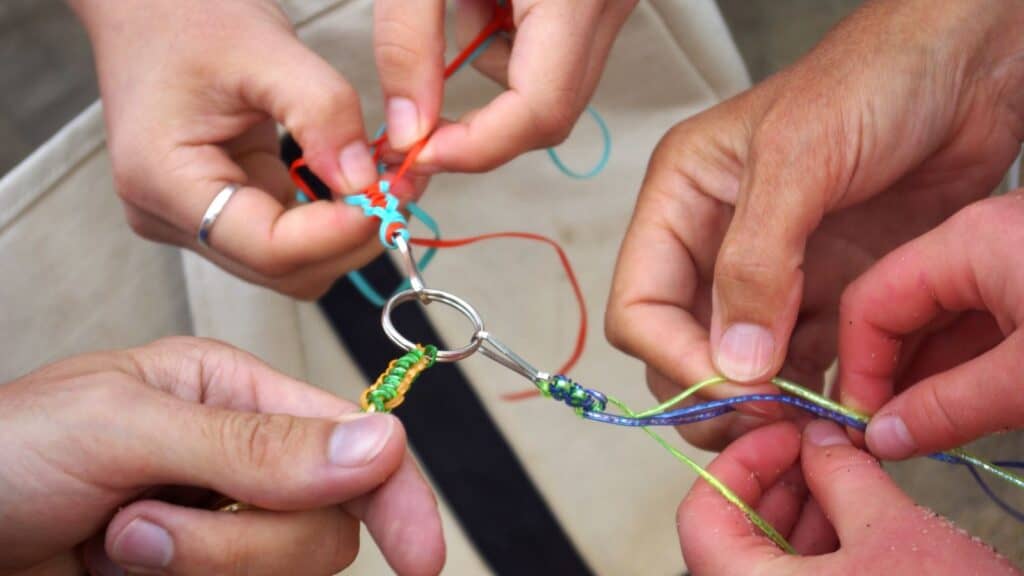
Friendship Bracelets from Embroidery Floss
Friendship bracelets were familiar to American children by the 1980s. National Geographic notes that the bracelets do not have one known origin, though woven Central American traditions may be part of their history. By the 1980s, kids were trading them at sleepovers, campfires, and schoolyards.
Campfire Songs and Scary Stories
Campfires gave campers a reason to gather after dark. The American Camp Association still advises camps on maintaining formal songbooks, while Atlas Obscura describes scary storytelling as a familiar camp tradition. Songs and tales could become part of a camp’s identity from one summer to the next.
Cabin Inspections with Real Rewards
Clean cabins could come with bragging rights. Camp Foley’s 1992 newsletter said the winning cabin inspection group during three-week sessions would earn a trip to Dairy Queen. Five perfect scores could earn another reward, tying cabin cleanliness directly to camp prizes.
Color War Took Over the Camp
Team competitions had been part of camp culture long before the ’80s and ’90s. Historian Leslie Paris dates an early documented Color War-style competition to 1916 at Schroon Lake Camp in New York. A 1989 camp account recalls several days of Color War events, team songs, and scoring.
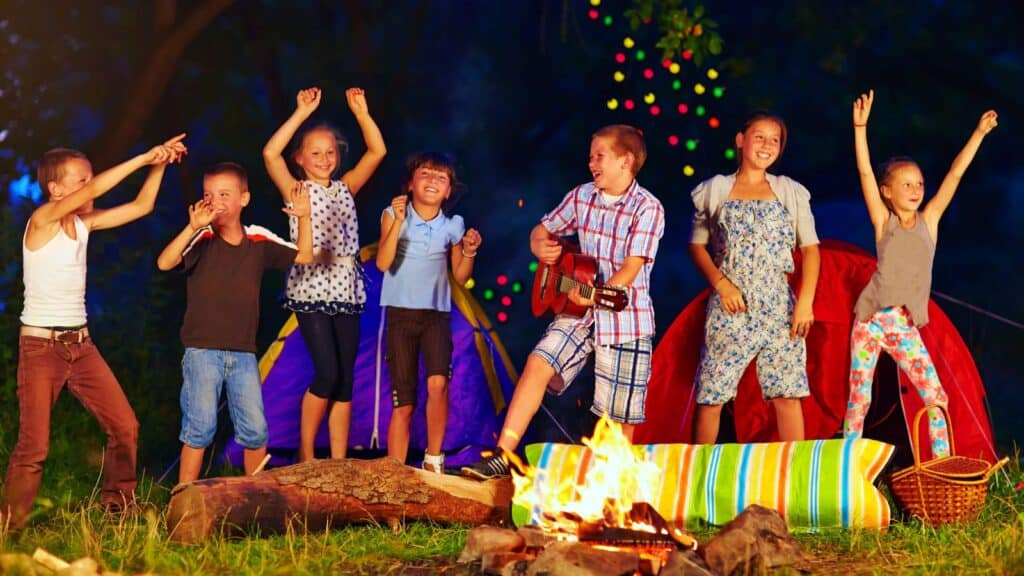
Talent Show Night
Camp talent shows gave cabins and individual campers a chance to perform. Camp Foley’s 1992 plans included a talent show during its first session as part of a larger Halloween-themed event. The acts varied, but getting onstage was part of the fun.
The Rituals Became the Memories
You probably haven’t thought about your swim test or your canteen card in years, until right now. That’s the thing about camp traditions; they don’t ask to be remembered. They just wait, folded up somewhere in the back of your memory, until a friendship bracelet or a campfire smell brings the whole summer rushing back uninvited.