
A bigger grill can be tempting, but parking-lot cooking comes with limits that a larger cooking surface cannot solve. Power, prep space, temperature checks, food storage and venue rules can matter just as much as the grill itself. The useful upgrade is the one that removes a specific problem without taking over the trunk. These seven additions are worth considering before game day.
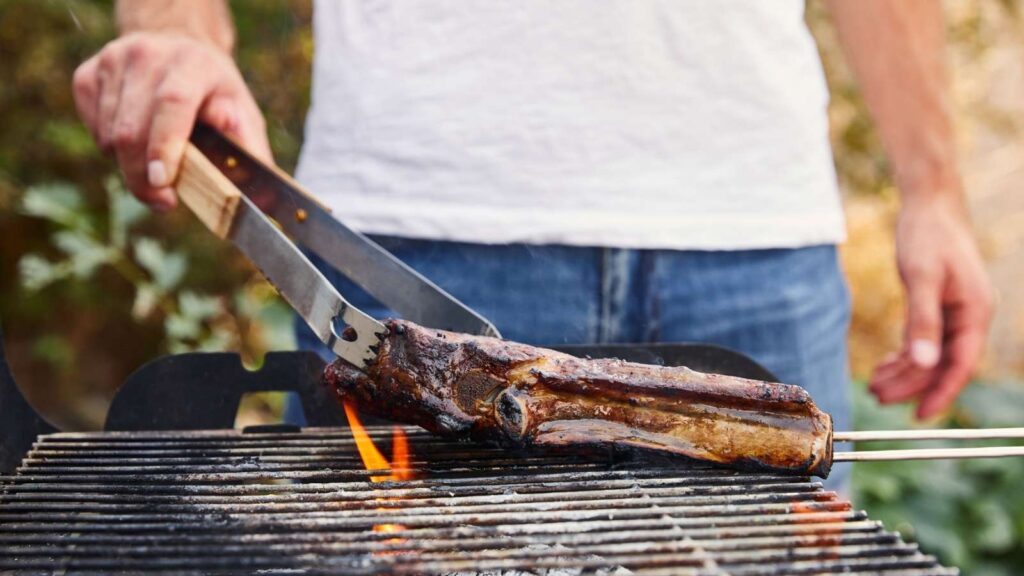
A Portable Power Source for an Electric Grill
An electric pellet grill is only portable if you can power it. The Traeger Ranger, for example, uses an included AC cord and is rated at 120 volts and 250 watts. It also weighs 60 pounds. If your tailgate spot has no usable outlet, pair an electric grill with a portable power source that can meet the grill’s power requirement. Check the venue’s rules before packing the setup, too. Otherwise, you may haul a heavy cooker that cannot turn on.
A Flat-Top Griddle for Small Foods
A flat top gives eggs, sliced onions, peppers and smash burgers a continuous cooking surface instead of open grates. Weber’s Slate 22-inch tabletop griddle is designed for portable use, including tailgating. It comes pre-seasoned, has a rust-resistant carbon-steel cooktop, provides 352 square inches of cooking area and reaches over 500°F. That makes a compact griddle useful when your menu stretches beyond hot dogs and burgers.

A Food Thermometer Instead of Guesswork
A thermometer takes the guesswork out of checking the center of meat. Federal food-safety guidance lists 165°F for poultry, 160°F for ground meat and 145°F for steaks and chops, followed by a three-minute rest. Those numbers are especially useful at a tailgate, where food may be moving from grill to table quickly. Keep the probe clean between foods and check the thickest part before serving.
Retire the Wire Brush
Wire grill-brush bristles can detach and end up in food. A CDC report described six additional cases from one Rhode Island hospital system during a 17-month period from March 2011 through June 2012. Injuries ranged from punctures in neck tissue to gastrointestinal perforation that required emergency surgery. The CDC advises checking the grill surface for loose bristles before cooking and says alternative cleaning methods or products may be considered. A bristle-free cleaning tool avoids that particular hazard.
A Second Cooler for Perishables
A separate food cooler can reduce how often perishables are exposed to warm air while people reach for drinks. The FDA advises considering one cooler for beverages and another for perishable food. Cold food should stay at 40°F or below. Picnic food should not remain between 40°F and 140°F for more than two hours, or more than one hour when the outdoor temperature is above 90°F. Bring a clean serving plate, too. A plate that held raw meat should not be reused unless it has been washed in hot, soapy water.
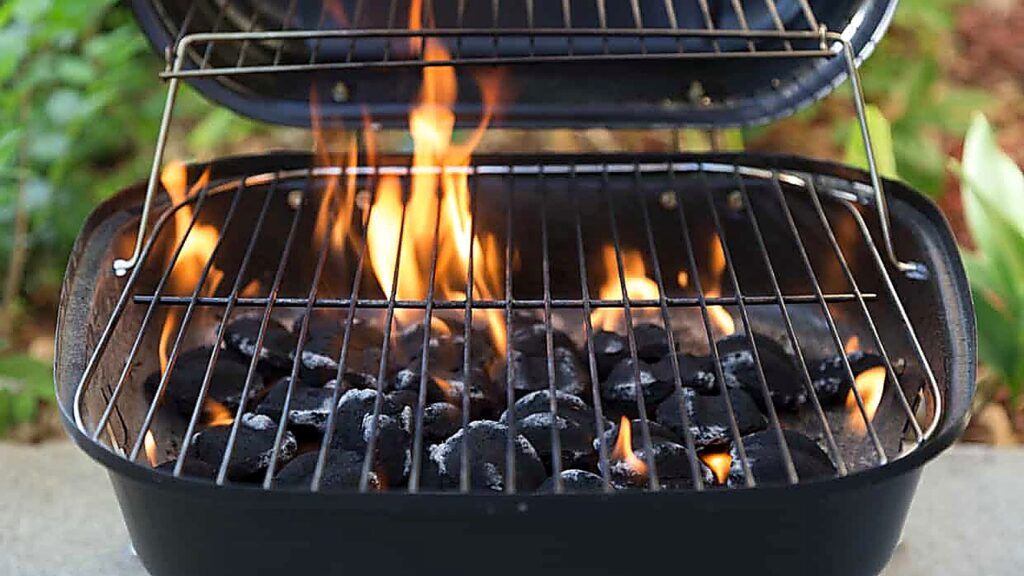
A Venue-Compliant Charcoal Starter
Tailgate rules can affect how you light charcoal. Houston Texans tailgate guidelines prohibit liquid charcoal starter and other flammable liquids. The venue says charcoal may be lit with an electrical starter and recommends quick-starting charcoal as another option. That policy is specific to that venue, so check the rules for your own stadium before packing fuel or ignition gear. A quick policy check can keep a useful grill from becoming unusable at the gate.
A 2A-10B Fire Extinguisher
MetLife Stadium recommends that tailgaters have at least a Class 2A-10B fire extinguisher available. The U.S. Fire Administration explains that Class A covers ordinary materials such as wood and paper, Class B covers flammable liquids such as grease and gasoline and Class C covers energized electrical equipment. Maintenance matters after you buy one. USFA advises checking pressure, working parts and accessibility, and notes that maintenance schedules vary by extinguisher.
Make Every Piece of Gear Earn Its Space
Tailgate gear earns its keep when it solves a problem you can name before kickoff. That makes the buying question less about what looks impressive and more about what could stop you from cooking safely and comfortably in that specific lot. Start with the constraint, then choose the smallest piece of gear that removes it. You will spend less trunk space on equipment that only makes sense at home.