
Matcha expands its bright green color across lattes, cookies and soft serve while operators quietly scan the horizon for the next breakout flavor. As it dominates cafe counters and bakery cases, brands waste no time testing what could follow and spark the same excitement. From roasted brown brews to vivid purple infusions that glow in clear cups, a new wave of teas and plant-based flavors lines up to challenge matcha’s grip on the menu.
This post may contain affiliate link(s). As an Amazon Associate, I earn from qualifying purchases. See Disclosures.
While Americans continue ordering their green drinks and matcha desserts, contenders step in, ranging from lower-caffeine roasted teas with a toasted finish to green blends mixed with roasted rice for a nutty edge. Even a purple root crop long featured in Filipino desserts now colors drinks and sweets in a bold hue that expands visual options beyond the familiar green.
Demand drives matcha’s growth
Matcha has become a favorite on menus worldwide, with industry estimates valuing the global market at about $3.37 billion in 2025 and projecting growth to roughly $6.72 billion by 2035. Cafes, bakeries and packaged food brands continue adding it to lattes, ice cream, cakes and ready-to-drink products while promoting its antioxidant content and functional appeal.
Introduced to Japan in the 1100s by a Zen Buddhist monk, matcha became part of a formal tea practice centered on discipline and preparation. Over time, that ritual developed into a broader cultural tradition and eventually a commercial product with global reach.
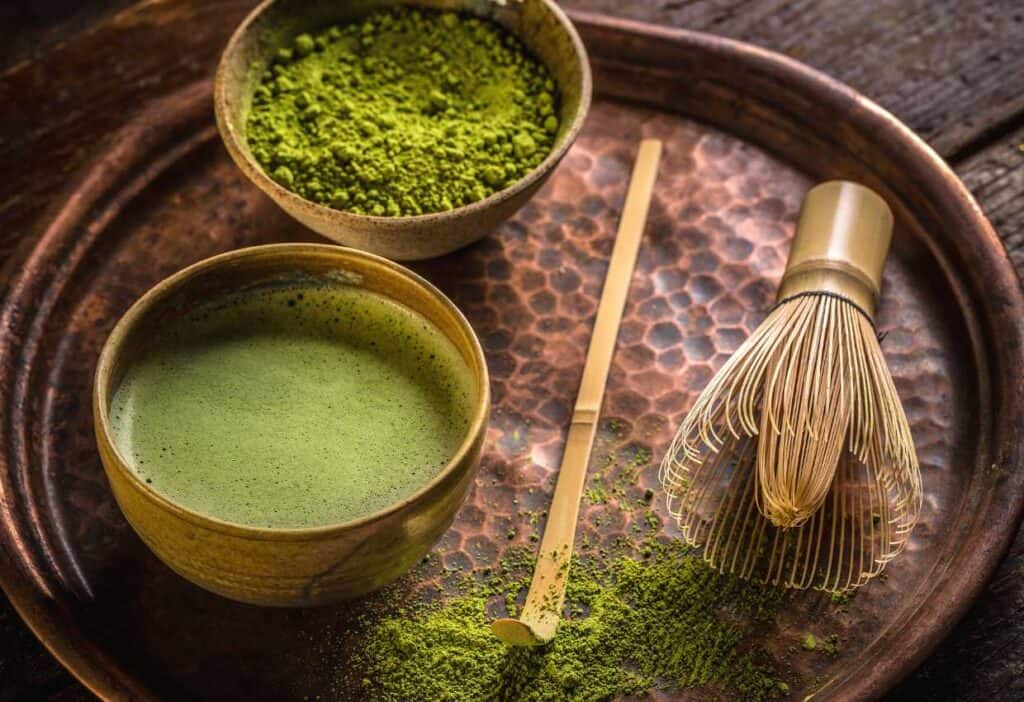
Growers steam the tea leaves soon after harvest to keep their green color and fresh qualities, then remove the stems and veins before grinding the material into a fine powder with stone mills. This careful, step-by-step method limits volume and requires time and labor, which keeps prices above standard green tea.
The search for the next standout
As demand rises, supply has struggled to keep pace. Japan, widely regarded as the top source of premium-grade matcha, tripled output between 2010 and 2023, yet global interest continues to test capacity. That pressure has prompted operators to look beyond one product and identify the next tea with similar crossover appeal.
Hojicha has gained attention as an alternative as brands look beyond matcha, offering a roasted profile and lower caffeine levels that suit later-day drinks and desserts. Unlike matcha’s vivid green powder, hojicha is made by roasting green tea leaves, stems or twigs, which turns the tea brown and creates a toasted character.
Both teas come from the same plant, Camellia sinensis, and start with leaves that are steamed soon after harvest to preserve quality before drying. From that shared base, production methods diverge. Matcha producers grind dried leaves into a fine powder that blends directly into beverages and baked goods, delivering a concentrated flavor and bold color. Hojicha relies on roasting rather than grinding; heat reduces caffeine and reshapes the flavor profile.
The contrast carries through in taste and aroma. Lower-grade matcha can taste bitter, while higher-quality versions offer mild sweetness and savory depth. Hojicha presents a smoother experience with natural sweetness and smoky notes that some compare to cocoa.
Fresh flavors challenge matcha
As operators look beyond one dominant green powder, several ingredients have drawn interest for both flavor and visual appeal. Genmaicha combines green tea with roasted brown rice, a pairing that began as a way for working families to extend limited tea supplies.
Butterfly pea flower tea has also gained attention because of its intense blue color and versatility in drinks. The plant, native to parts of Asia, contains natural pigments known as anthocyanins that give the brewed liquid its vivid tone. When lemon or lime juice is added, the acidity shifts the color toward purple, which makes it popular for layered beverages and specialty menus.
Although it is not a true tea, “ube,” also known as purple yam and commonly used in Filipino desserts, has entered the global food and drink industry. Its deep violet color appears in ice cream, pastries, cookies and milk-based drinks, and it stands out in clear cups and layered presentations. For operators seeking alternatives that deliver strong color and consumer interest, these ingredients offer options beyond the now-familiar green powder.
Flavor trends move forward
Matcha may still headline cafe menus, but consumer attention rarely settles on one ingredient for long. As more operators rely on the same bright green matcha powder, they have begun testing flavors that feel fresh yet practical to scale, tapping into a growing Western appetite for ingredients tied to specific regions and traditions. That shift creates room for the next tea or plant-based standout to move from specialty item to everyday order.
Jennifer Allen is a retired professional chef and long-time writer. Her work appears in dozens of publications, including MSN, Yahoo, The Washington Post and The Seattle Times. These days, she’s busy in the kitchen developing recipes and traveling the world, and you can find all her best creations at Cook What You Love.