
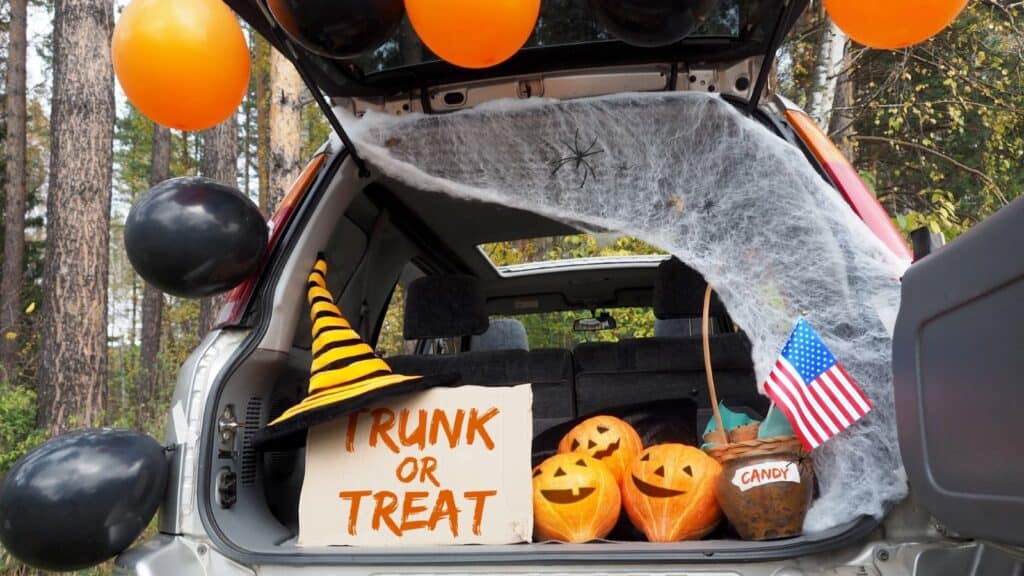
Trunk lids make lousy refrigerators. When a parking lot turns into a Halloween snack station, you need treats that can handle a bumpy drive and a quick handoff. Skip open bowls and messy dips. Individually packed snacks are easier to manage, as long as you consider kids’ ages and food allergies.
Mini Pretzel Bags
The Academy of Nutrition and Dietetics suggests mini bags of pretzels as Halloween treats. Sealed packs stack in a basket without leaving crumbs on your table, and kids can carry them without a plate. Hand them to the grown-up accompanying a young child so they can judge whether the snack is appropriate.
Popcorn Bags
The American Heart Association includes snack-size popcorn among its Halloween handouts. Choose ready-popped bags rather than microwave packets. You won’t need electricity, serving bowls, or a scoop. Popcorn is a choking risk for children under 4, so offer younger visitors a different choice.
Cheddar Crackers
For a salty break from sweets, look for whole-grain cheddar-flavored crackers. The Academy recommends them in snack-size packs for Halloween. Keep the crackers separate from fruit treats so kids can spot their options quickly. Check the label for ingredients such as milk and wheat before buying.
Animal Crackers
Clemson Cooperative Extension includes animal crackers among its Halloween alternatives. Single-serving packages are easier to hand over than a large open box, and the crackers won’t require frosting or utensils. Choose commercially packaged treats with the ingredient list intact rather than dividing a family-size box yourself.
Fruit Snacks
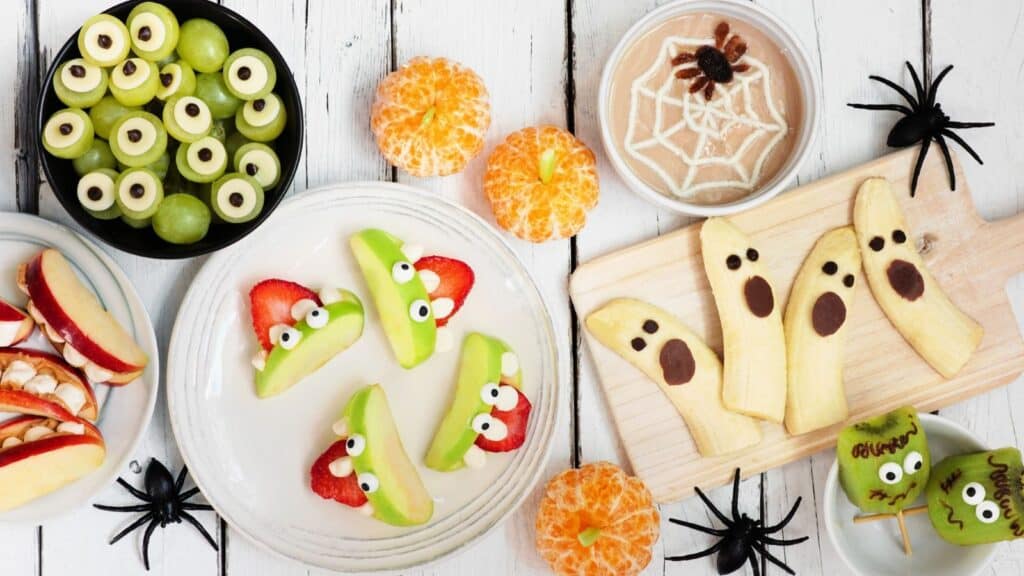
The Academy’s suggestion is specific: fruit snacks made with 100% fruit and added vitamin C. That description doesn’t cover every pouch on the shelf, so read the package instead of assuming. Small sealed pouches fit neatly into treat bags, but chewy snacks may not suit very young children.
Fruit Leather
The American Heart Association names 100% real fruit leathers as another Halloween option. Look for individually wrapped strips with storage instructions that allow room-temperature keeping. They slide into a treat bucket without needing a spoon. Leave the wrappers on so caregivers can check the ingredients at home.
Raisin Boxes
Clemson specifically recommends mini boxes of raisins. They come portioned and sturdy enough to stand upright in a bin. There’s nothing to pour or portion out at the car. Dried fruit can be a choking hazard for infants and toddlers, so let an adult make the call for little visitors.
Cereal Bars
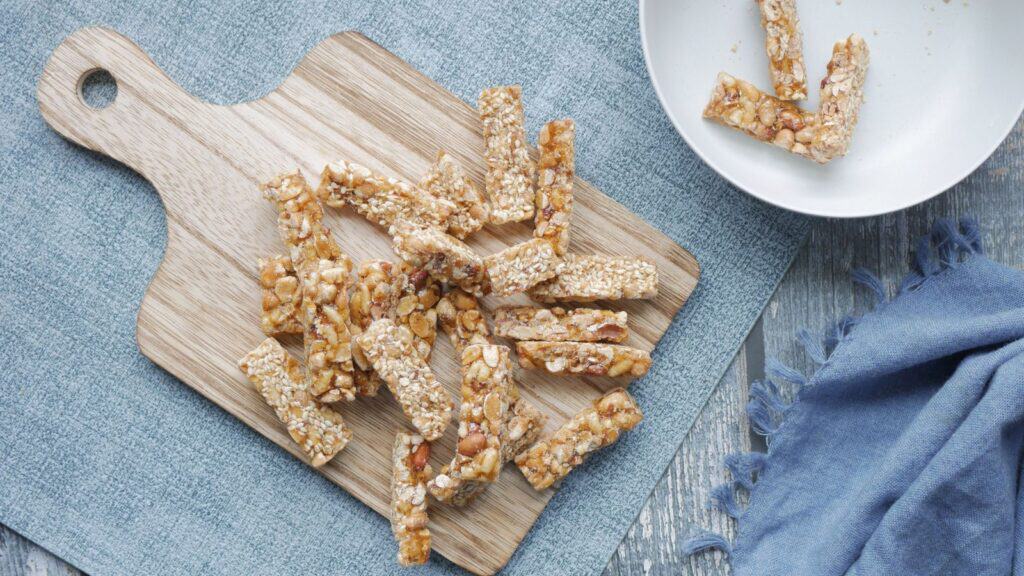
Clemson also lists cereal bars among its non-candy treats. A wrapped bar is easy to hand out, but ingredients vary from brand to brand. Food Allergy Research & Education advises families to read every label, including on smaller versions of familiar treats. Keep the original packaging visible.
Mini Cereal Boxes
Clemson recommends single-serve cereal boxes for Halloween. Ready-to-eat cereal can be eaten dry, and the cartons stay tidier than cereal poured into homemade bags. Stack them near the front of your display, away from anything that could spill. Let families check the cereal’s ingredients before opening.
Let Parents Make the Last Call
A snack that survives the drive isn’t automatically right for every child. The CDC’s choking guidance lists pretzels, popcorn, raisins and chewy fruit snacks as hazards for young children, while allergy labels deserve a careful look. Temperature matters, too: FoodSafety.gov says perishable food needs to stay at 40°F or colder or follow the two-hour limit, cut to one hour above 90°F. A cooler can handle refrigerated food, but shelf-stable choices save you the extra work. Giving families room to choose matters more than getting a treat into every hand as fast as possible.