
Pull up to a walk-up window on the Gulf Coast, and you might get handed something neon-colored in a foam cup, sealed with a strip of tape over the straw hole. Walk into a serious cocktail bar a few states over, and the same drink shows up ice-cold in a jigger-measured pour, made with nothing but white rum, lime and sugar. Both are daiquiris. National Daiquiri Day, on July 19, is basically daring you to pick a side.
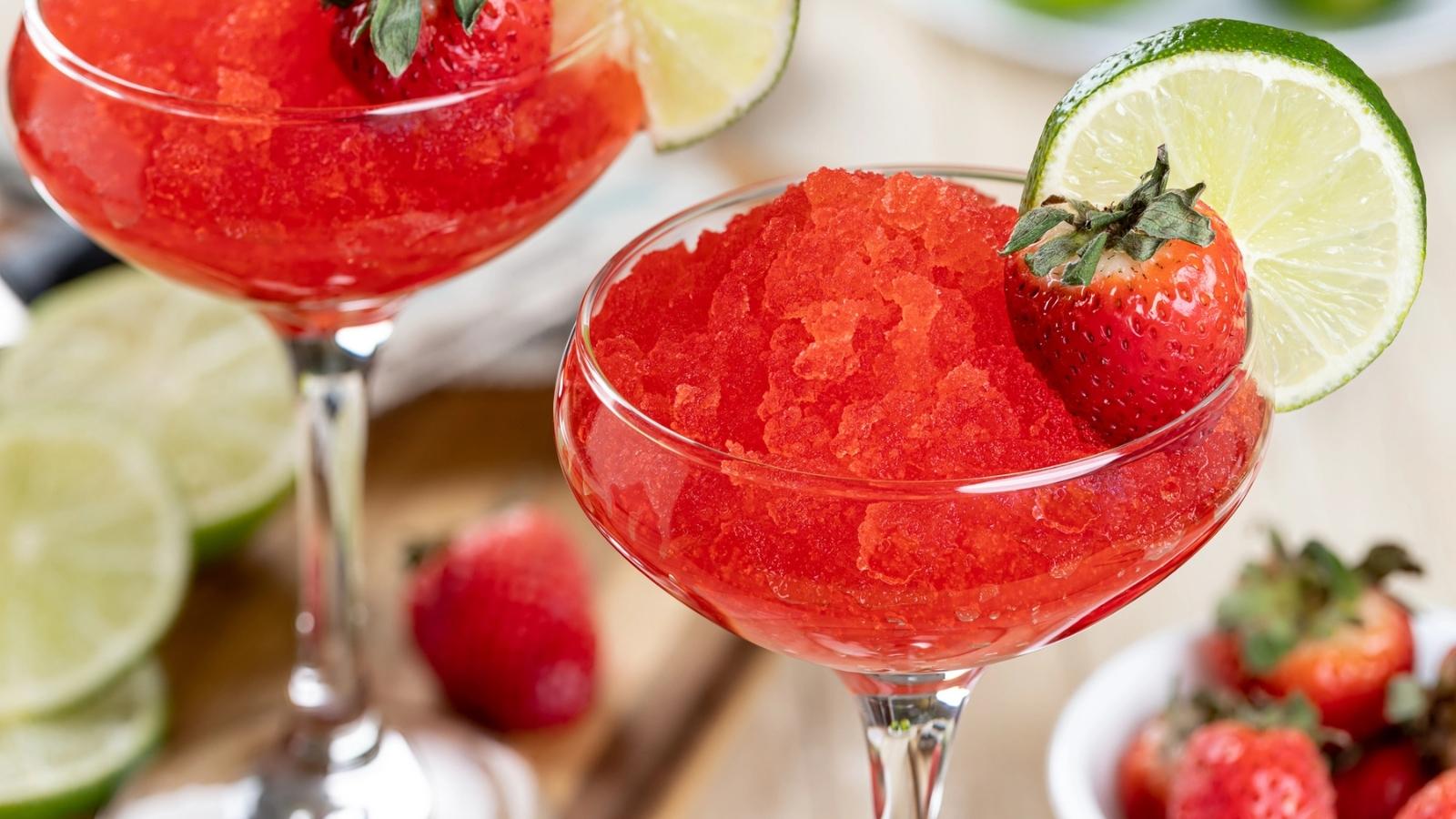
The two versions come from the same place. Bartender Constantino “Constante” Ribalaigua Vert built his name on the daiquiri at Havana’s El Floridita, tweaking the ratio of rum to sugar and adding things like grapefruit and maraschino for Ernest Hemingway, who became the drink’s most famous regular. That’s the version bartenders still chase today. It’s also nothing like what you’d get from a drive-thru in Lafayette.
The Gulf Coast built an economy around it
Louisiana’s open-container law doesn’t count a frozen drink as “open” unless the lid comes off, a straw goes in or someone’s already taken a sip. That loophole goes back to 1981, when David Ervin opened a stand called the Daiquiri Factory in Lafayette and taped over the straw hole so the drink stayed legally sealed on the ride home. Today, New Orleans’ tourism bureau points visitors to daiquiris by the cup or the gallon, from drive-thru lanes to walk-up windows. The flavor menus have wandered far from Havana, too, with names like electric lemonade and sweet tea in colors that don’t occur anywhere in nature.
A few cities let daiquiris hit the sidewalk
Louisiana isn’t the only place that’s made peace with a to-go cocktail. Savannah, Georgia’s Historic District has a designated open-container zone where a licensed business can sell one drink per person in a cup no bigger than 16 ounces. Nothing says it has to be a daiquiri, but a frozen one fits the format perfectly: bright, portable and already built for walking. New Orleans works the same way, minus the glass container, which is a big reason frozen daiquiris and street drinking are so tied together in the city’s identity.
Some bars still treat it like a test
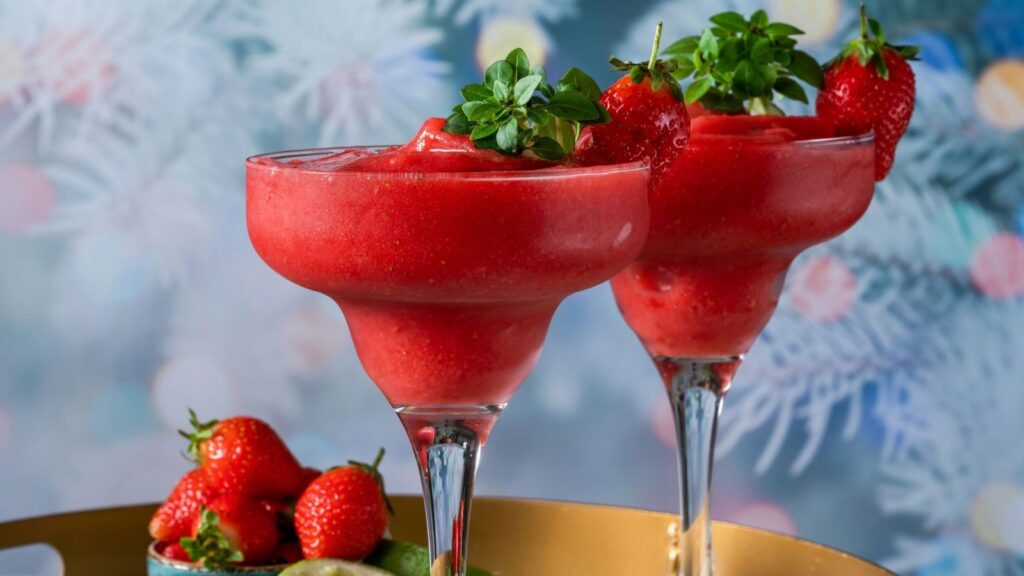
Behind a serious bar, though, the daiquiri is closer to an exam than a party trick. With only three ingredients, there’s no puree or syrup to hide a bad pour, so the lime has to be balanced against whatever that day’s acidity happens to be. Rum still gets industry attention for it, too: Worthy Park’s cane juice rum is a finalist for Best New Spirit or Cocktail Ingredient at the 2026 Spirited Awards in New Orleans.
Eduardo Bacardi, marketing director for Ron del Barrilito Rum, says, “Because Ron del Barrilito has no added sugar and draws its character from years of aging in ex-Oloroso sherry casks, it’s remarkably well-rounded — dry, layered and balanced. That’s what makes it so versatile. It holds its own in a spirit-forward classic like a rum old fashioned or Negroni, where there’s nowhere for the rum to hide, but it’s just as enjoyable in a piña colada or daiquiri, or simply over ice.”
So which one’s the “real” daiquiri? Depends who’s pouring. One camp wants precision and balance. The other wants a strawberry-mango swirl in a cup they can carry down the street. On July 19, there’s no wrong answer. Just pick your cup.
Jennifer Allen is a retired professional chef and long-time writer. Her work appears in dozens of publications, including MSN, Yahoo, The Washington Post and The Seattle Times. These days, she’s busy in the kitchen developing recipes and traveling the world, and you can find all her best creations at Cook What You Love.