
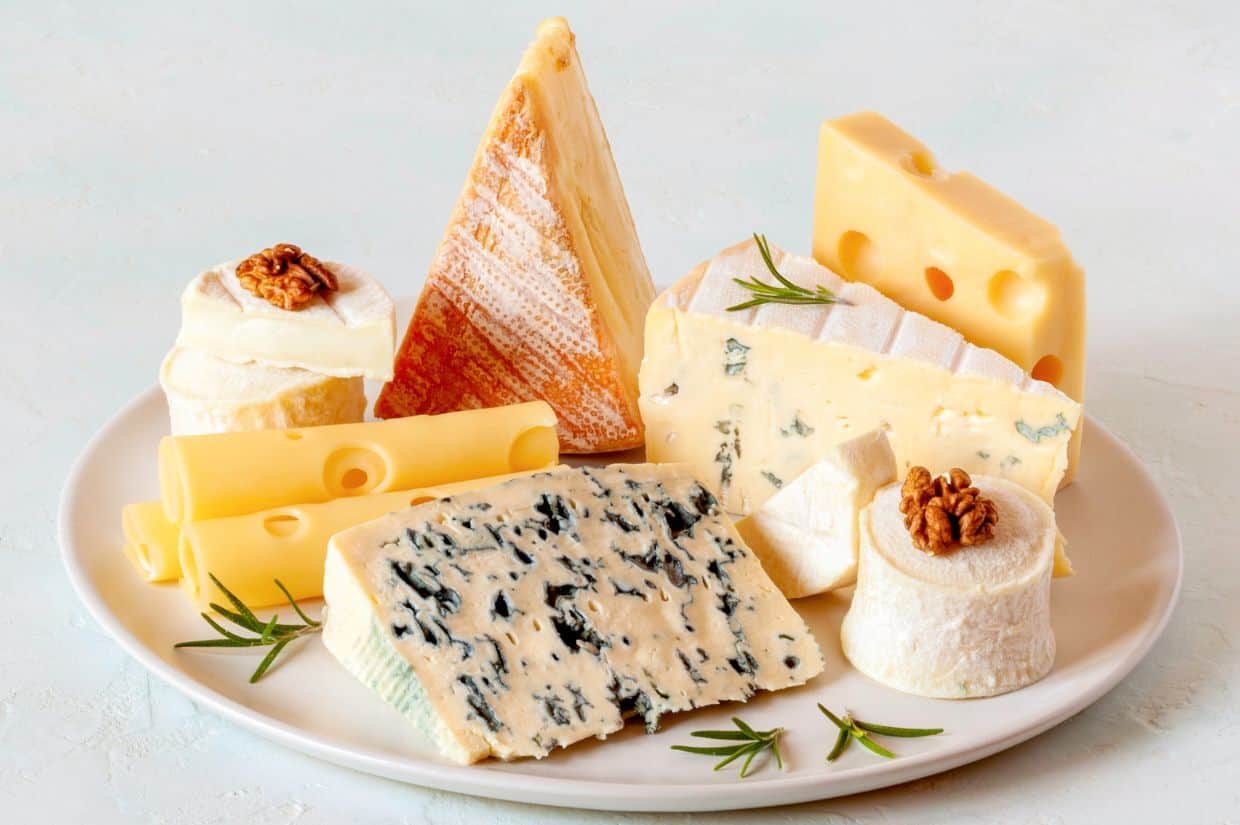
Cheese is one of the most beloved ingredients around the world but with so many varieties, choosing the right one can feel overwhelming. Whether you’re building the ultimate cheese board, melting the perfect slice onto a burger or looking for the best cheese for pasta, knowing the different types can help you make the best choice.
This post may contain affiliate link(s). As an Amazon Associate, I earn from qualifying purchases. See Disclosures.
What is cheese?
Cheese is made by curdling milk with enzymes and bacteria, then aging or processing it in various ways to develop flavor and texture. The type of milk — cow, goat, sheep or even buffalo — and the aging process significantly impact the final product. From soft and spreadable to hard and crumbly, cheese comes in all forms, each offering something special for different culinary needs.
Common types of cheese and how to use them
With so many cheese varieties available, it helps to categorize them by texture and flavor. Some cheeses are best for melting, others for grating and some for enjoying fresh. Here’s a guide to the most common types and the best ways to use them in cooking.
Fresh cheese
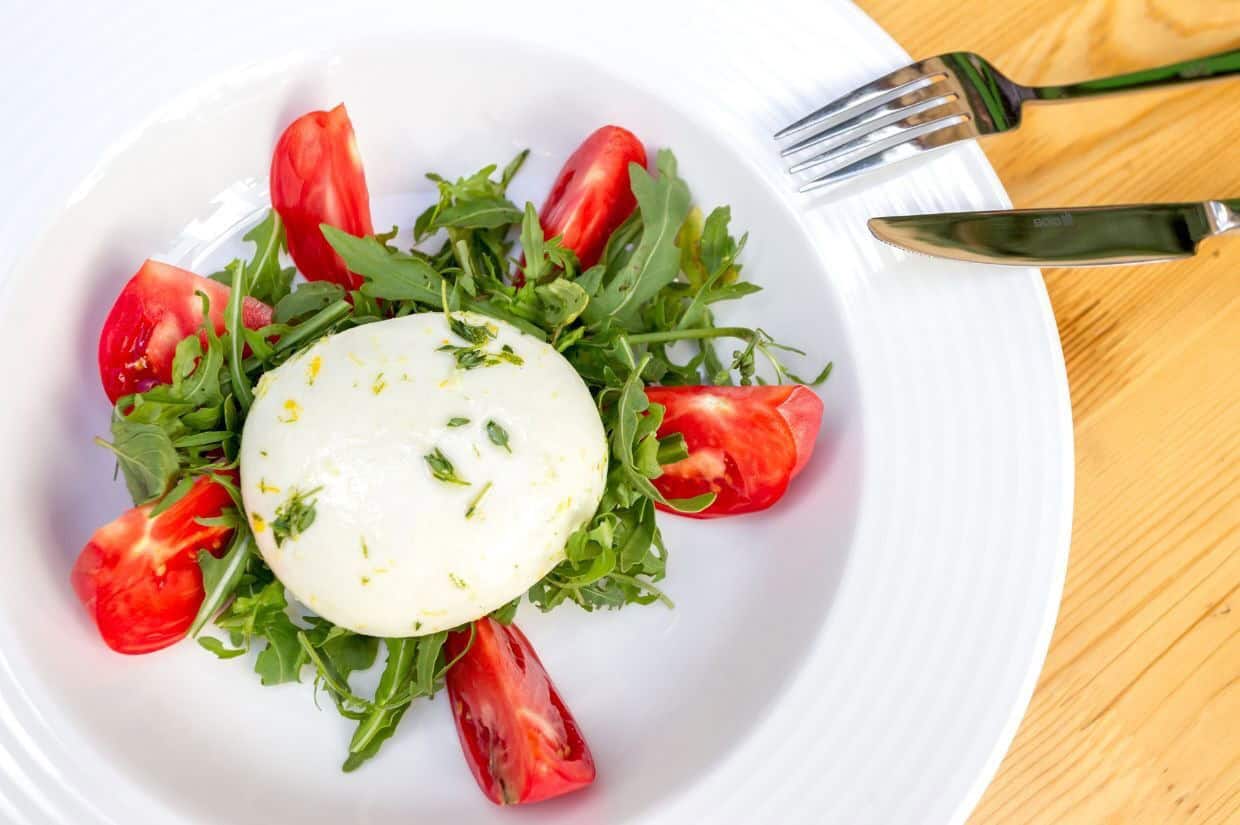
Fresh cheese is typically made from curds that haven’t been pressed or aged, giving it a soft texture and a mild, milky flavor. Because of its high moisture content, fresh cheese is often used as a lean alternative to cream in cooking. These cheeses are incredibly versatile and can be enjoyed on their own or added to both sweet and savory dishes.
- Mozzarella: This Italian classic is known for its mild, delicate flavor and incredible stretch. It’s essential for pizza, melts beautifully in pasta dishes and works well in Caprese salads with tomatoes and basil. Try it shredded over roasted vegetables for an extra creamy touch.
- Ricotta: Light, fluffy and slightly sweet, ricotta is used in both savory and sweet dishes. It’s perfect for layering in lasagna, stuffing into ravioli or blending into pancakes and cheesecake batter. Spread it on toast with honey for a simple breakfast.
- Feta: A tangy, crumbly cheese made from sheep’s or goat’s milk, feta adds a briny kick to salads, grain bowls and roasted vegetables. Originating from Greece, it is traditionally kept in brine, which helps preserve its freshness and enhances its signature salty taste. Try it sprinkled over watermelon for a refreshing summer snack.
- Burrata: A luxurious cheese with a delicate outer shell and a creamy center. It pairs well with crusty bread, fresh tomatoes and prosciutto. Drizzle with olive oil and balsamic glaze for an indulgent appetizer.
“Feta cheese is one of my favorite cheeses for its tangy and salty flavor. I love to nibble on it as a snack or sprinkle it over salads. I also love roasting it in the oven with herbs, spices and tomatoes to create a savory appetizer or mixing it into pasta sauces.”
— Jere’ Cassidy, One Hot Oven
Soft and bloomy rind cheese
These cheeses have a soft, edible rind and a creamy, sometimes gooey center. They are typically aged for a short period and develop a white mold on the outside that adds depth to their flavor.
- Brie: Rich and buttery, Brie is a favorite on cheese boards and can be baked with honey, nuts or fruit for a warm appetizer. It also pairs well with apples, pears and crackers.
- Camembert: Similar to Brie but with a deeper, earthier flavor. Enjoy it baked, spread on crusty bread or served with fruit preserves.
Semi-soft cheese
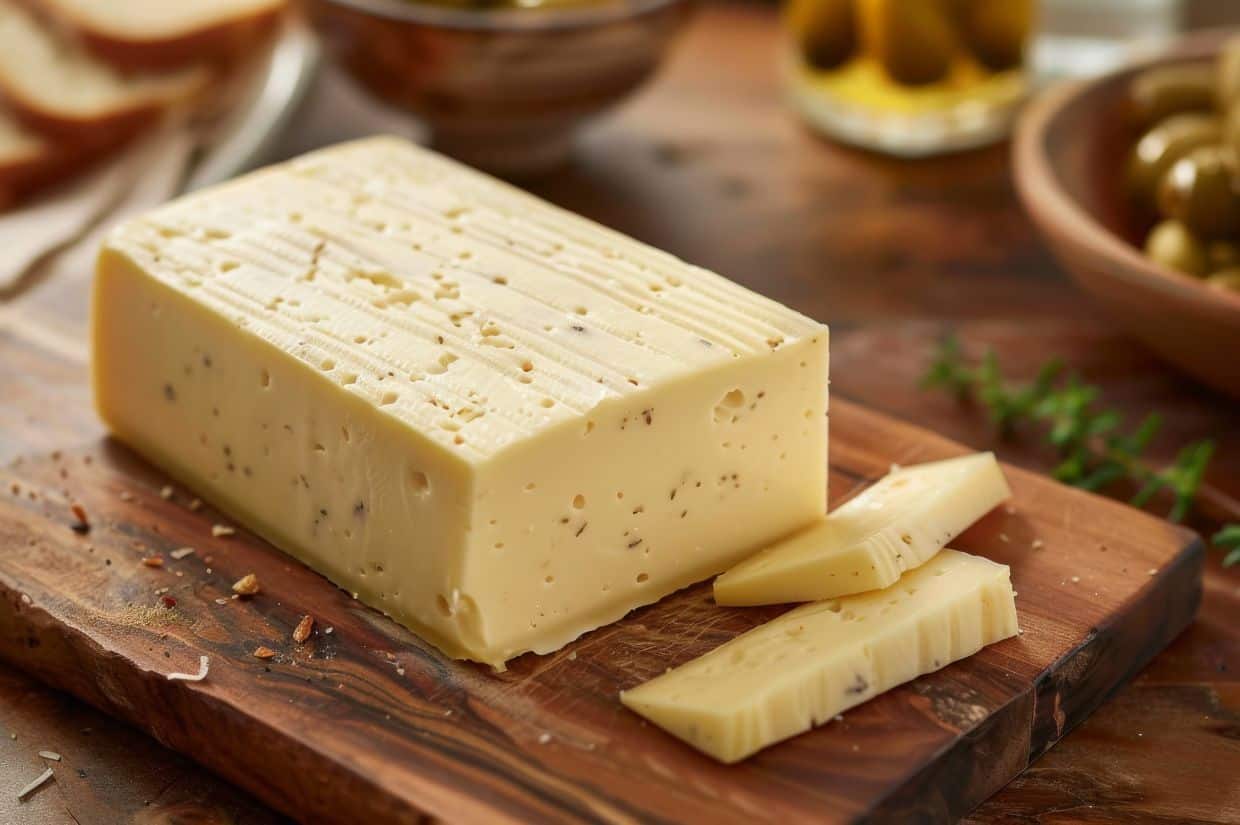
These cheeses have a slightly firmer texture but still melt well, making them great for cooking. Their balanced mix of creaminess and structure allows them to be sliced easily while still offering the rich, buttery qualities needed for warm dishes.
- Havarti: Buttery, mild and slightly tangy, Havarti is excellent in sandwiches, grilled cheese or melted over burgers. Try it with fruit and honey for a sweet and savory combination.
- Fontina: A great melting cheese with a nutty, slightly funky flavor. Ideal for fondues, creamy sauces and baked dishes like potatoes au gratin.
Semi-hard cheese
Aged longer than soft cheeses, these varieties develop deeper flavors and a firmer texture while being sliceable. They offer a satisfying chew, making them excellent for snacking.
- Cheddar: Ranging from mild to sharp, cheddar is a staple for grilled cheese, burgers and mac and cheese. Aged versions have a more intense, crumbly texture, while younger cheddars are smooth and melt well.
- Gouda: Comes in smoked and aged varieties, with a nutty, caramel-like flavor. It works well in sandwiches, cheese boards and even grated over soups.
- Provolone: A mild, slightly tangy cheese that’s perfect for Italian sandwiches, cheesesteaks and melting over chicken or eggplant Parmesan.
- Halloumi: A firm, brined cheese from Cyprus that holds its shape when heated. It’s ideal for grilling or pan-frying, giving it a crispy, golden crust while staying soft inside. Serve halloumi with lemon juice or honey for a delicious contrast of flavors.
Hard and aged cheese
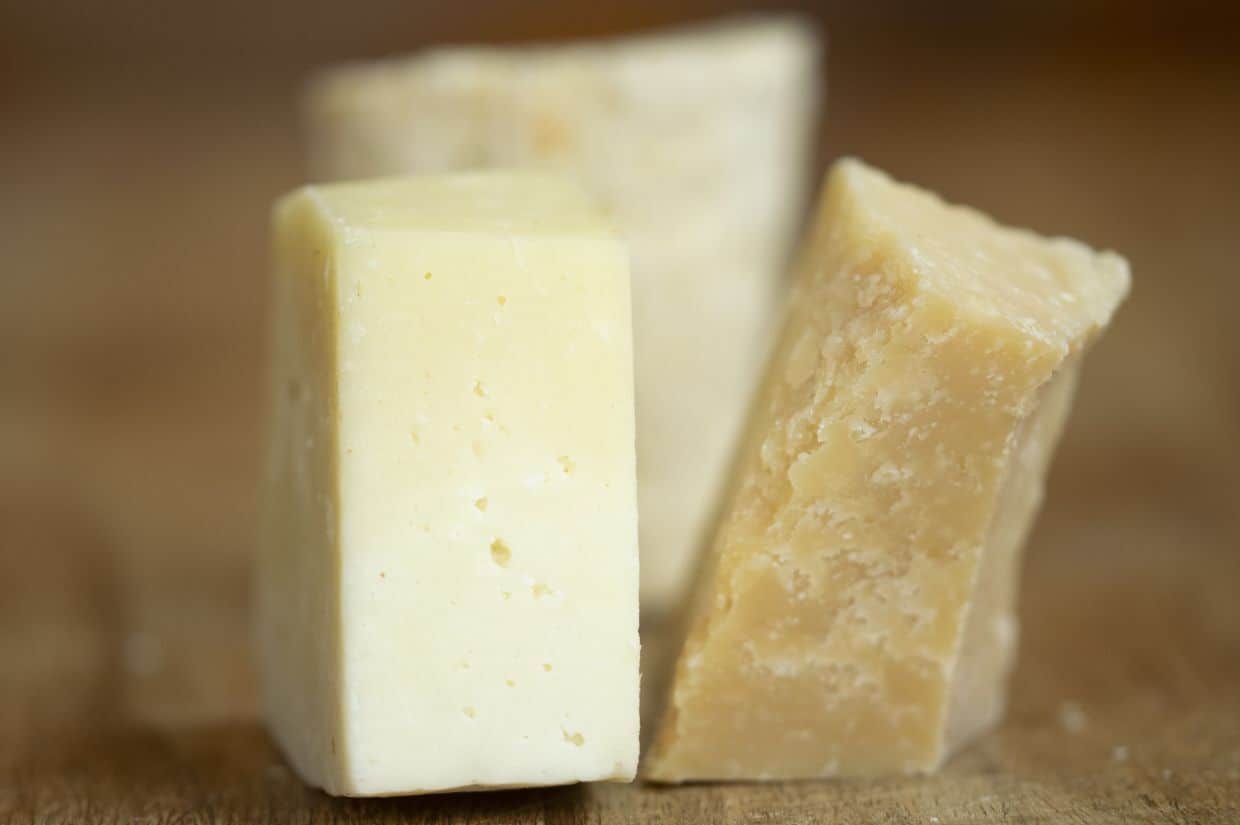
Hard cheeses have lower moisture content and intense, nutty flavors that develop over months or years, making them ideal for adding depth to various dishes. Their aging process contributes to their complex profiles, making them favorites in both everyday meals and gourmet recipes.
- Parmesan: Aged for at least 12 months, Parmesan has a granular texture and a rich, umami-packed flavor. It’s best for grating over pasta, risotto and soups but can also be eaten in chunks with balsamic vinegar. While Parmesan is a general term, Parmigiano-Reggiano is a specific, protected designation of origin cheese produced in certain regions of Italy, ensuring its authenticity and quality.
- Pecorino Romano: Made from sheep’s milk, Pecorino Romano is sharper and saltier than Parmesan. Use it in carbonara or grated over roasted vegetables and soups.
“As an Italian and a lifelong foodie, I can’t resist the allure of Parmesan Reggiano — it’s the king of cheeses for a reason. Whether grated over pasta, shaved onto salads or eaten in perfect little chunks straight from the wheel, it’s pure perfection. Its nutty, salty complexity transforms even the simplest dishes into something extraordinary. If I had to choose, I’d say my favorite way to enjoy it is in a classic risotto — it’s the heart and soul of the dish.”
— Bella Bucchiotti, xoxoBella
Blue cheese
Known for its distinctive blue veins, blue cheese has a bold, tangy flavor ranging from creamy and mild to sharp and pungent, depending on the aging process. The blue veins are created by introducing specific strains of mold, which grow throughout the cheese and contribute to its unique taste. Despite its strong flavor, blue cheese can complement a wide range of dishes, balancing sweetness and richness with its sharpness.
- Roquefort: A French blue cheese made from sheep’s milk, Roquefort is known for its creamy texture and bold, tangy flavor. It’s aged in caves, allowing the mold to develop, which gives it its signature sharpness.
- Gorgonzola: An Italian blue cheese made from cow’s milk, Gorgonzola has a milder flavor than other blue cheeses. It pairs well with baked pears, walnuts and honey.
One last thing
Cheese is more than just an ingredient; it’s an experience. Whether you’re enjoying a simple grilled cheese sandwich or crafting an elegant cheese board, knowing the different types of cheese can help you make better choices in the kitchen. Experiment with new varieties, pair them with an assortment of foods and most importantly, enjoy discovering your favorites.
Tamara Tsaturyan is the owner and writer of Thriving In Parenting. It’s a website focused on providing simple tips for busy parents — easy and healthy recipes, home decor and organization ideas and all things parenting.