
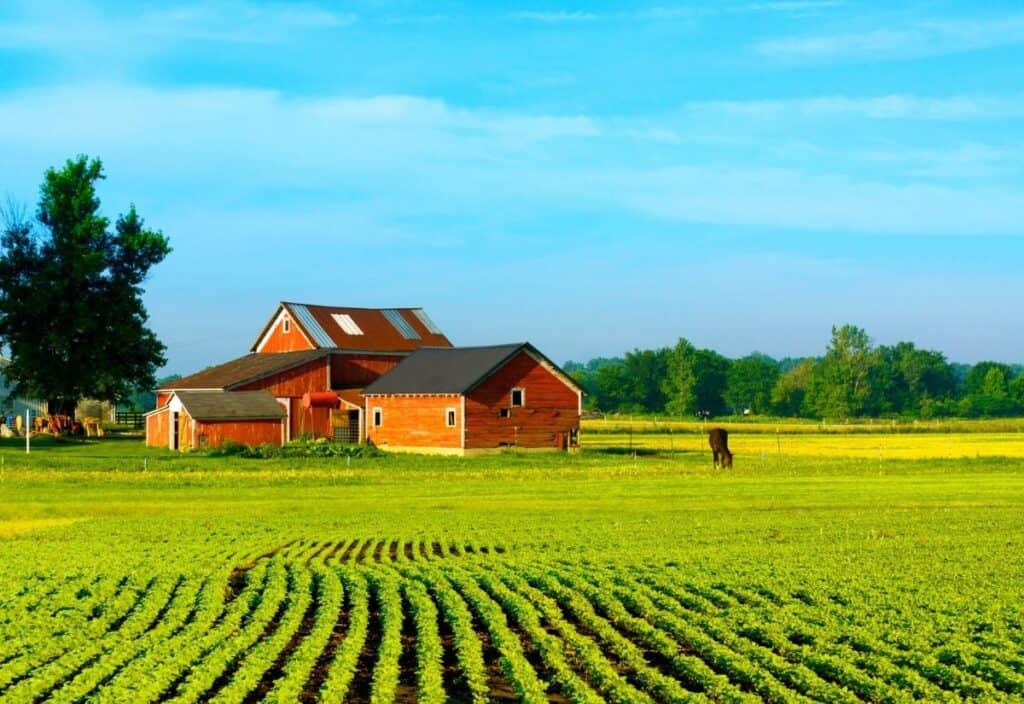
Farmer’s fields are being trampled as urban foragers overlook rural boundaries and cross into private land in search of wild ingredients. Repeated harvesting in woodlands, meadows and city parks puts pressure on local ecosystems, threatening native species and disrupting fragile habitats. As interest grows, rural communities urge for stronger guidelines to protect both working farms and the land itself.
This post may contain affiliate link(s). As an Amazon Associate, I earn from qualifying purchases. See Disclosures.
As more people head outdoors in search of edible plants, the spotlight shifts toward how and where they forage. Staying informed and mindful of land use is becoming just as important as knowing what to harvest.
Urban interest in wild harvest
Foraging, also referred to as wildcrafting, has moved beyond novelty and into a growing lifestyle choice. The practice of gathering edible plants and fungi from natural areas dates back to early human survival and now reflects a more intentional approach to food sourcing. Urban residents are increasingly drawn to wild harvesting as a way to reconnect with nature and step outside commercial food systems. Mushrooms, herbs and berries are commonly gathered from public parks, the countryside and forest edges, especially in regions where farmlands feel out of reach. As interest in sustainability and local sourcing expands, foraging continues to gain ground as a practical and personal way to engage with food.
When foragers go too far
Unchecked foraging in public green spaces and natural habitats can strain the environment. Repeated harvesting in woodlands, meadows and urban parks has the potential to deplete native plant populations, disturb animal habitats and reduce overall biodiversity. In places where species are routinely gathered without pause, ecosystems may struggle to regenerate, especially when human activity outpaces the natural growth cycle. Even well-intentioned foragers may unintentionally contribute to ecological stress when certain areas or species are overused without time for recovery.
Different states, different stakes
Foraging laws across the United States remain inconsistent, creating legal uncertainty for people crossing property lines. In New York, unlawful entry into a place of residence can result in a second-degree criminal trespass charge and up to a year in jail. Third-degree trespass carries a lighter penalty but still allows for a maximum sentence of three months. Georgia and Michigan treat most trespassing cases as misdemeanors, although Georgia allows up to 12 months in jail, while Michigan caps penalties at 30 days.
On federal lands, policies differ by agency. The U.S. Forest Service permits limited personal-use gathering, such as up to 1 gallon of berries a day in certain forests. However, national parks generally prohibit foraging to protect native species and ensure ecological balance. These differing guidelines underscore the need for clarity and awareness when exploring wild food sources.
Etiquette and education matter
Responsible foraging is receiving new attention as more people turn to the outdoors for food, prompting calls for better awareness of rules and impact. Asking access from landowners, recognizing protected zones and following local regulations help avoid legal and environmental consequences. Accurate plant identification is essential to prevent harm to foragers and ecosystems, while restrained harvesting supports regrowth and biodiversity.
Organizations such as the North American Mycological Association offer practical guidance on sustainability. They emphasize that overharvesting from a single patch or misidentifying toxic species can cause long-term harm. In areas where demand for wild foods like ramps or fiddlehead ferns has spiked, some native populations are showing signs of stress. While the effects remain mostly regional, they reinforce the need for restraint and deeper plant knowledge.
Smart steps for responsible foraging
Successful foraging depends on preparation, awareness and respect for land access. Safety comes first, especially with toxic lookalikes and unfamiliar terrain. Foragers often carry trusted field guides or take local identification classes to help minimize risk. Dressing appropriately and using gloves can also prevent cuts, rashes or insect bites in wooded or overgrown areas.
Bringing the right tools helps preserve both the plant and the harvest. Clippers or small knives make cleaner cuts that support regrowth, while breathable baskets or cloth sacks keep items intact and fresh. Plastic bags are best avoided, as they can speed up spoilage and damage delicate finds.
Knowing where you are is just as important as knowing what to pick. Always check property boundaries and ask before entering uncertain land. A brief conversation with a landowner can help avoid tension and protect future access. Responsible foraging depends on these small steps, which allow the practice to remain sustainable and welcoming.
The path to mindful foraging
Foraging continues to attract interest as people seek deeper connections to food and the outdoors, but that growing curiosity brings new challenges. Without clear guidance and mutual respect, even well-meaning efforts can create tension or cause unintended harm. Stronger communication between landowners, foragers and local communities can set the stage for more informed and respectful practices. Public education, ethical harvesting and clearer land-use expectations are all essential to keeping wild areas accessible and protected. When responsibility is shared, foraging can remain a sustainable option that supports both the environment and those who rely on it.
Mandy Applegate is the creator behind Splash of Taste and seven other high-profile food and travel blogs. She’s also co-founder of Food Drink Life Inc., a unique and highly rewarding collaborative blogger project. Her articles appear frequently on major online news sites, and she always has her eyes open to spot the next big trend.