
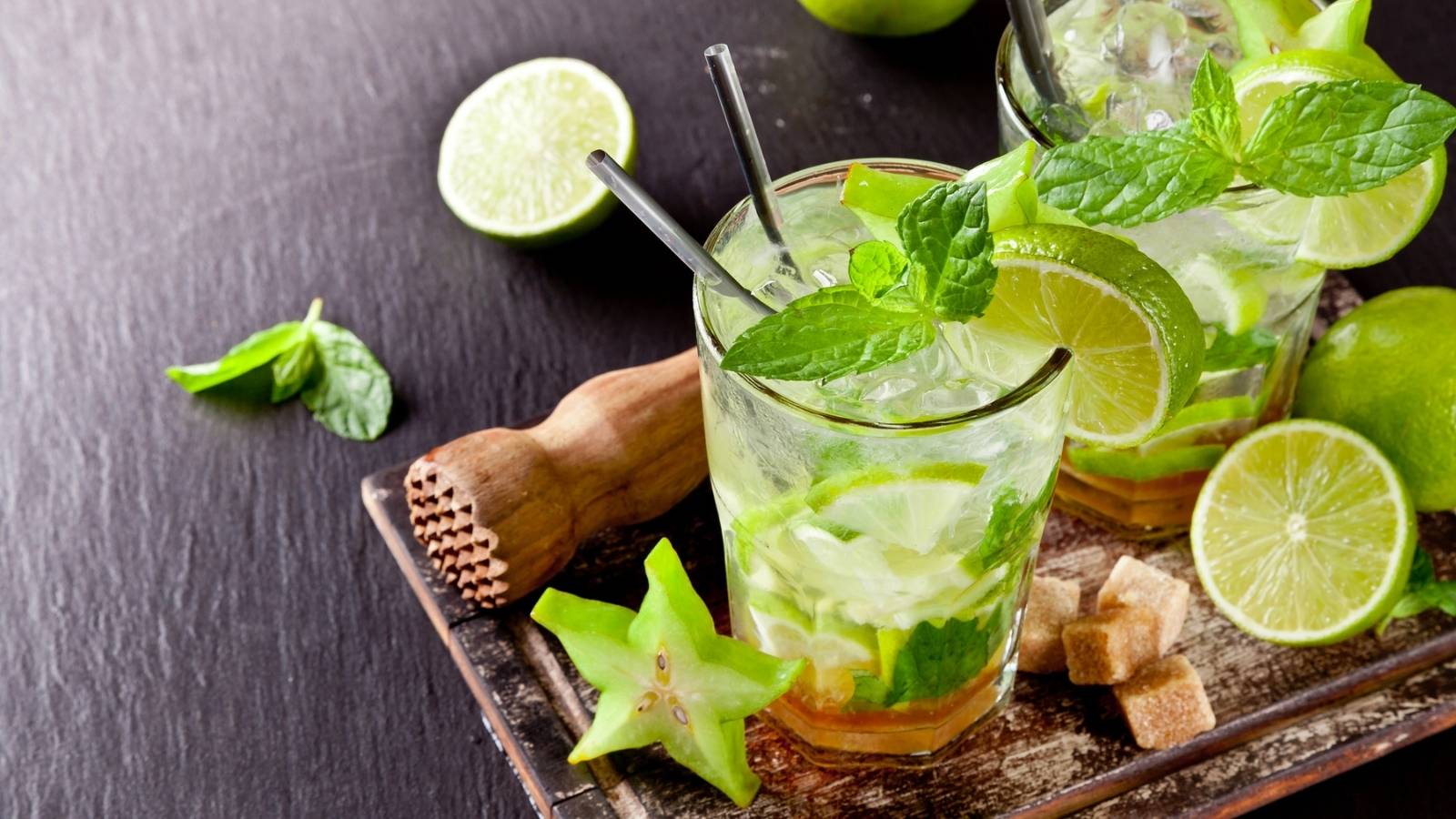
The mojito is climbing back up in one of the drinks world’s most closely watched rankings, powered by its refreshing appeal that never really goes out of style. Mint, lime, sugar, rum and a splash of soda water still pull drinkers in without any need for a dozen components or a backstory to explain them. The occasion feels well timed, with National Mojito Day giving the humble Cuban highball a turn in the spotlight it has been earning back on its own.
This post may contain affiliate link(s). As an Amazon Associate, I earn from qualifying purchases. See Disclosures.
A fresh ranking of the bestselling classics at the world’s best bars puts it at number 12 for 2026, up after slipping three places the year before. It’s a modest jump on paper, but the direction is what stands out. That same list is topped by spirit-forward heavyweights like the Negroni and the old fashioned, so a light, minty highball moving up while those giants hold court is worth a second look.
The mojito’s strength isn’t limited to one list, either. A separate global forecast of bar orders ranks it second among the cocktails expected to be ordered most often this year, trailing only the margarita. The two rankings measure different corners of the bar market, one tracking bestsellers at elite venues and the other predicting broad global demand, yet both place the mojito among the drinks with real staying power.
A people’s drink from the start
Part of the appeal is that the mojito has always felt approachable rather than fussy. Its roots run back centuries to Cuba, where early precursors leaned on aguardiente, the local cane spirit, before the drink came into its own alongside proper rum production. The exact origins are famously muddled, with names like English privateer Sir Francis Drake attached to the story over the years, none of them tidy enough to settle it. What’s clear is that the drink grew up around Havana and never lost its easygoing, anyone-can-make-this reputation.
Where home versions go wrong
That reputation for simplicity is also where many home versions stumble. The mojito looks foolproof, which is exactly the trap. Come down too hard with the muddler, and the mint turns the drink bitter before the rum even hits the glass.
Mint is a delicate herb, and most bartenders recommend a gentle touch for good reason. Crushing it too aggressively ruptures the leaves and releases chlorophyll, the compound that makes plants green and, in a glass, can make a cocktail taste grassy and bitter. A lighter approach tends to work better: press the mint just enough to bruise it and wake up its oils, then stop. Limes are more forgiving of a firmer hand, so plenty of bartenders muddle them first and add the mint later, though approaches vary from bar to bar.
Small choices, better glass
A few other choices tend to separate a great mojito from a forgettable one. White rum keeps the flavor clean and classic, though aged and darker rums have their own devoted following and bring a deeper, more caramel-edged character. Fresh mint makes a noticeable difference over wilted leaves, which bring far less aroma. Granulated sugar requires a moment to dissolve before the ice goes in, while simple syrup blends in instantly. And soda water usually goes in last, poured gently to protect the fizz.
None of that requires a home bar or a mixology course, which is a big part of the mojito’s charm. The drink rewards a little care and forgives a lot, and that low barrier helps explain why it stays in such steady rotation.
What the durability signals
The mojito’s durability says something interesting about how people are drinking now. Elaborate, theatrical cocktails are having a genuine moment too, with dramatic garnishes and layered builds ranking among the defining bar trends of the year. The mojito’s continued pull suggests the simple classics haven’t given up any ground to that spectacle, and that a well-balanced glass of mint, lime and rum can hold its own alongside the showstoppers.
That balance is a good sign for a drink with this much history behind it. A five-ingredient cocktail with centuries of backstory doesn’t need much reinvention to stay relevant, and its best quality was never complexity. The mojito’s next chapter looks a lot like its first one: a cold glass, a handful of mint and no need to overthink it.
Jennifer Allen is a retired professional chef and long-time writer. Her work appears in dozens of publications, including MSN, Yahoo, The Washington Post and The Seattle Times. These days, she’s busy in the kitchen developing recipes and traveling the world, and you can find all her best creations at Cook What You Love.