
Every Oct. 16, World Food Day turns attention to the everyday choices that put food on tables around the world. Last year, an estimated 645 million people faced hunger, according to the Food and Agriculture Organization. At the same time, the world produces enough calories to feed everyone, which underscores how access, affordability and how food moves through the system matter as much as production.
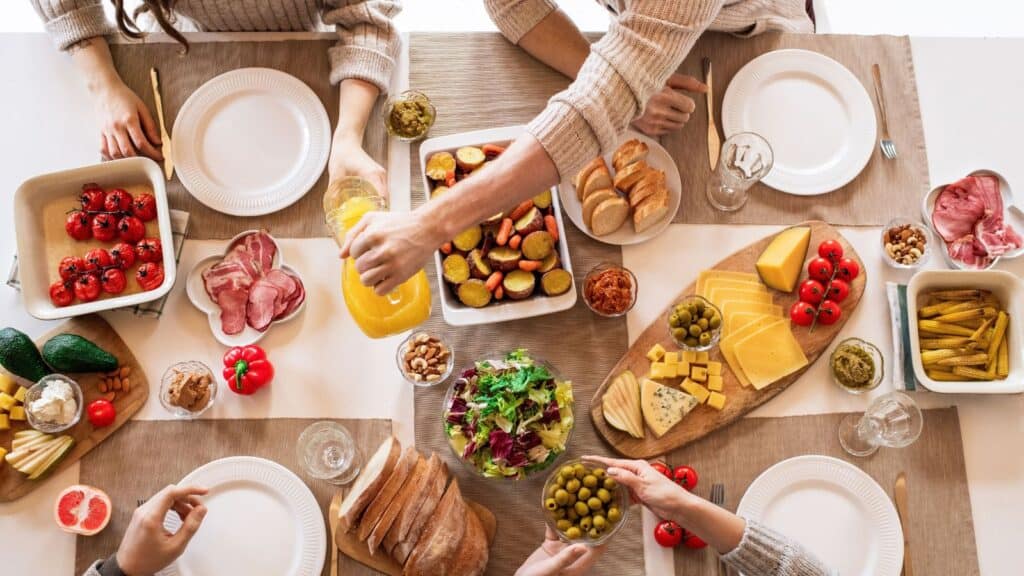
The growing tension makes World Food Day more than an annual reminder about hunger. It offers a chance to think about the daily choices that connect people to the food system, from what they put in their shopping carts to how they cook, store and use what they bring home.
The food system starts closer to home than you think
Food systems can sound like something that happens far beyond the kitchen. Farmers grow crops, manufacturers process ingredients, distributors move products and retailers stock the shelves. Yet consumers make decisions at the end of that chain that can influence what happens next.
In light of the FAO’s 2026 SOFI report statement, the agency released the 2026 World Food Day guidance, which encourages everyone to make informed choices, eat more diverse foods, waste less and stay aware of science and innovation. They specifically recommend planning meals, storing food properly and using leftovers creatively as ways to reduce food waste.
That does not mean one grocery trip can transform the global food system. It means everyday habits can become part of a larger pattern. Choosing foods that fit a household’s needs, using ingredients before they spoil and finding new uses for leftovers can help people get more value from the food they already have.
Food waste changes the meaning of a full refrigerator
A refrigerator full of food might look like security, but food only provides value if someone actually eats it. Forgotten produce, unused leftovers and ingredients bought for one recipe can all turn into waste before they reach the plate.
That makes food waste one of the most tangible places where household behavior intersects with a much bigger issue. World Food Day encourages people to look at the entire journey of food, which includes the resources used to grow, transport, store and prepare it.
The easiest solution does not always involve buying something new. Sometimes it means looking at what needs to be used first and building dinner around it. A bunch of herbs can become a sauce, extra garlic and potatoes can turn into garlic soup and an ingredient left from yesterday’s dinner can become the starting point for today’s meal.
That can change how people shop. Instead of buying a large quantity because it appears economical, a shopper might choose an amount the household can realistically finish.
Small ingredients can extend across several meals
Resourceful cooking does not have to look frugal or complicated. Often, it simply means choosing ingredients that can play more than one role.
A flavorful condiment offers a good example. A spoonful of schug can add heat and fresh flavor to eggs, roasted vegetables, grains, meat or sandwiches. Instead of buying a different sauce for every meal, one versatile ingredient can change the character of several dishes.
The same principle applies to staples. Cooked grains can become a bowl one night and a side dish the next. Roasted vegetables can fill tacos, top a salad or become part of a soup. A fruit like avocado can be enjoyed as is or turned into avocado spread for toast or sandwiches. Thinking this way changes the question from “What recipe should I make?” to “What can I make with what I already have?” That change can make everyday cooking more flexible while helping households use ingredients more completely.
Give World Food Day a place in your kitchen
World Food Day offers an easy opportunity to turn the awareness into action. What people eat is shaped by more than taste or nutrition. Price, availability, culture, time and access to cooking facilities all influence what ends up on the table.
The 2026 State of Food Security and Nutrition in the World report found that nearly one-third of the world’s population still cannot afford a healthy diet. The report also notes that storage, transportation, processing and retail costs can make nutritious foods more expensive.
That context matters. Food advice can overlook the circumstances behind a person’s choices, especially when a recipe assumes plenty of time, a fully stocked kitchen or easy access to affordable ingredients. A more useful approach is to make the most of what is available, whether that means cooking seasonal ingredients, relying on versatile staples or learning a few simple techniques that can make inexpensive foods more satisfying.
Start small on World Food Day by checking the refrigerator before shopping, planning one meal around ingredients that need to be used and finding a second purpose for something that might otherwise go uneaten. The day can also be used to explore a food tradition from another culture, visit a local market or learn more about where a familiar ingredient comes from.
None of these actions requires a complete lifestyle overhaul. They simply make the connection between everyday cooking and the larger food system a little easier to see.
The choices on the table add up
World Food Day puts global food challenges into perspective, but its message can also reach the most ordinary parts of daily life. The grocery list, the leftovers in the refrigerator and the ingredients chosen for dinner all represent small decisions within a much larger system.
The point is not to make every meal carry the weight of solving global food problems. It is to recognize that using food thoughtfully has value of its own. When people waste less, cook creatively and make informed choices, they turn an ordinary meal into a small opportunity to use food with greater purpose.
Kristen Wood is a photographer, food writer, recipe developer and creator of MOON and spoon and yum. She is also the author of “Vegetarian Family Cookbook,” “Fermented Hot Sauce Cookbook” and “Hot Sauce Cookbook for Beginners.” Her work has been featured in various online and print publications, including NBC, Seattle Times, Elle, Martha Stewart, Forbes, Chicago Sun-Times and more.