
Canadian Thanksgiving takes place in October, tied to the country’s earlier harvest season and setting it apart from the November holiday in the United States. With cool weather setting in and fields newly cleared, families gather to share the season’s produce. This timing has shaped a tradition that celebrates fall’s bounty and keeps gratitude at the heart of the holiday.
This post may contain affiliate link(s). As an Amazon Associate, I earn from qualifying purchases. See Disclosures.
Today’s celebration carries the same spirit, highlighting Canada’s long record of welcoming diversity. Thanksgiving tables across the country now feature classic dishes with flavors from many cultures, turning the holiday into a shared expression of food and community.
Early roots of Thanksgiving in Canada
Canadian Thanksgiving began as a day of gratitude for survival and safe passage, not just the bounty of the land. In 1578, English explorer Martin Frobisher held a ceremony in present-day Nunavut to thank God for a successful Atlantic voyage. Historians recognize this moment as one of the earliest recorded acts of giving thanks in Canada. The government later declared the first official Thanksgiving holiday in 1879, tying it to religious services and the end of the harvest season.
The holiday’s date changed several times over the years, from midweek in April to a Thursday in November. To avoid overlapping with Remembrance Day on Nov. 11, the Canadian government made Thanksgiving a fixed holiday in 1957, setting it on the second Monday in October. In modern times, the day focuses on family gatherings, welcoming the fall season and sharing a meal to celebrate the bounty.
Harvest timing favors October
Canada’s shorter growing season means the country’s key crops are ready well before winter. By October, farmers have finished gathering major produce, from apples and cranberries to pumpkins, squash and hardy vegetables like cabbage, broccoli and Brussels sprouts. This period lets them join community gatherings without disrupting work in their fields.
Cool, comfortable weather makes October a practical choice for hosting meals and traveling to visit family. Holding Thanksgiving during this month keeps the holiday closely tied to the harvest while avoiding the rush of year-end celebrations, keeping the focus on gratitude and the season’s abundance.
Regional celebrations stand apart
Thanksgiving comes earlier in Canada, on the second Monday of October, while Americans gather on the fourth Thursday of November. The earlier date matches Canada’s shorter crop season and sets the holiday apart from year-end events.
The two holidays have different origin stories. Canada’s tradition began with Frobisher’s 1578 feast and later harvest festivals, while the United States holiday traces back to the 1621 gathering in Plymouth between the Pilgrims and the Wampanoag.
Menus share turkey, stuffing and pies, but Canadians often spotlight local fall produce such as root vegetables and seasonal greens. The economic impact also differs, as Canada’s Thanksgiving is not linked to major retail events. In the U.S., the holiday leads into Black Friday, making it one of the biggest shopping weekends of the year.
Celebrations also vary by region. Some Canadian provinces observe the day quietly, while Americans highlight the day with large public traditions such as the Macy’s Thanksgiving Day Parade.
October’s place in Canadian culture
Thanksgiving in Canada links back to the country’s agricultural past, giving people a moment to honor the land and its yield. Families and friends gather before winter arrives, sharing meals and time together. Community events, potlucks and church services also play a role in bringing people together and reinforcing local connections.
The holiday has also grown to show Canada’s diversity. Modern menus often include dishes from immigrant communities, recognizing their contribution to shaping the country’s culture and economy. This mix of tradition and inclusion makes the October celebration both a nod to history and a reflection of present-day Canada.
How Canadians celebrate
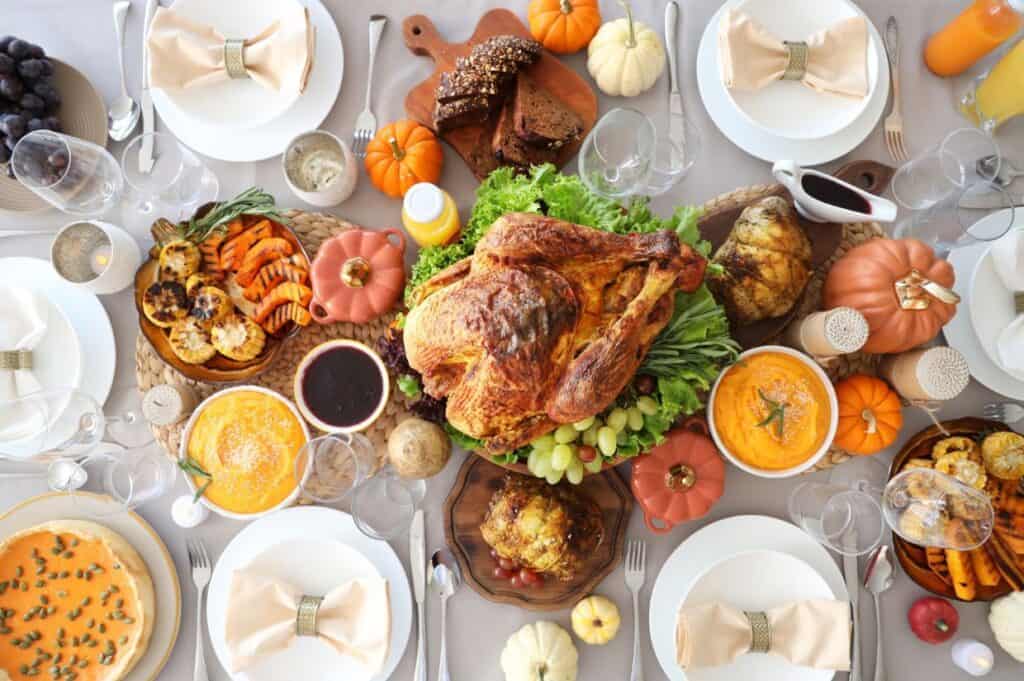
Thanksgiving weekend centers on shared meals, with households serving turkey, gravy, potatoes, squash, rolls and cranberry sauce, often finished with pumpkin pie. In Western Canada, ham sometimes takes the place of turkey, and Brussels sprouts are a common side.
Families from diverse cultural backgrounds often add their own traditional dishes, blending Canadian staples and global flavors in their Thanksgiving menu. Regional preferences also guide dessert choices, with apple pie and apple crisp more common in Quebec and Atlantic Canada.
The long weekend is also a time to enjoy the outdoors. Many people plan hikes, scenic drives or cottage trips to see fall colors. Apple picking and pumpkin patch visits remain popular activities for families. In some communities, churches hold harvest-themed services, giving attendees a chance to pause and offer prayers of gratitude.
Gratitude at the heart of celebration
Canadian Thanksgiving stands out as a holiday shaped by the nation’s history, climate and culture. Its October date aligns with the earlier harvest season, setting it apart from the November observance in the U.S. The day brings families together, honors agricultural traditions and welcomes the colder months ahead. By keeping the focus on gratitude and community, Canadians have built a holiday that feels distinctly their own.
Jennifer Allen is a retired professional chef and long-time writer. Her work appears in dozens of publications, including MSN, Yahoo, The Washington Post and The Seattle Times. These days, she’s busy in the kitchen developing recipes and traveling the world, and you can find all her best creations at Cook What You Love.