
By the middle of the week, cooking dinner every night starts to feel like a grind. Meal prep is one approach, but eating the same thing over and over can get old quickly. A better approach is to cook a few versatile components once, then turn them into different meals throughout the week so you save time without getting stuck in a rut; here’s how to do it.
This post may contain affiliate link(s). As an Amazon Associate, I earn from qualifying purchases. See Disclosures.
Build meals from components, not recipes
Most meal prep advice pushes you to cook full dishes in advance, but that can easily lead to burnout halfway through the week. When everything is already combined and portioned, you’re locked into eating the same thing until it’s gone. Shifting to components gives you more control and prevents meals from feeling repetitive.
Think in terms of building blocks instead of finished recipes. Start with a protein, add a carb, layer in vegetables, then finish with something that brings flavor, like a sauce or dressing. Each part of the meal stays separate, which means you can combine them differently depending on what you’re in the mood for that day.
This approach also makes it easier to adjust portions more readily. If you want something lighter, lean more on vegetables and scale back the carbs. If you need something more filling, build around the protein and add a heartier base.
What to cook once for the week
The goal with this approach isn’t to cook everything in your fridge. You just need a few ingredients that can be used in different ways. The key is to keep the seasoning simple and flexible so nothing feels locked into a specific type of dish.
Protein
Pick one or two options that can carry multiple meals without getting boring. Here are some ideas to get you started:
- Roasted chicken thighs or a whole chicken, you can shred.
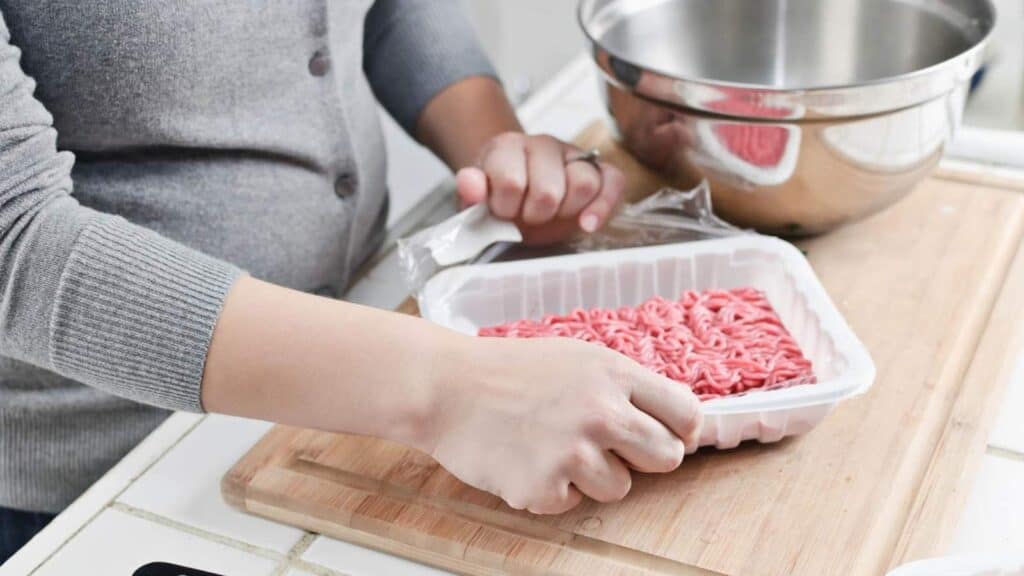
- Ground beef or turkey cooked with basic seasoning.
- Slow-cooked pork that can be pulled apart.
- Baked salmon or another simple fish.
Keep the flavor neutral at this stage. Salt, pepper, maybe garlic or onion is enough. You can build in more flavor later, depending on how you use it.
When the weather is nice, we love to buy tri tip from Costco and grill it on Saturday or Sunday. We’ll have it with salad and potatoes, then throughout the week, I will use the leftovers to make steak quesadillas or put it in a cold noodle or pasta salad. We do the same thing with grilled chicken and make chicken tacos, fried rice and wraps. I just love not having to cook every single day!
— Casey Rooney, Get On My Plate
Carbs
Choose one or two bases that can go in different directions. Examples include:
- Rice or quinoa for bowls and stir-fries.
- Roasted potatoes for something heartier.
- Pasta for quick dinners.
Cook these plainly so they don’t compete with whatever you add later.
Vegetables
Go for a mix of cooked and raw so you have different textures to work with. This can be the following:
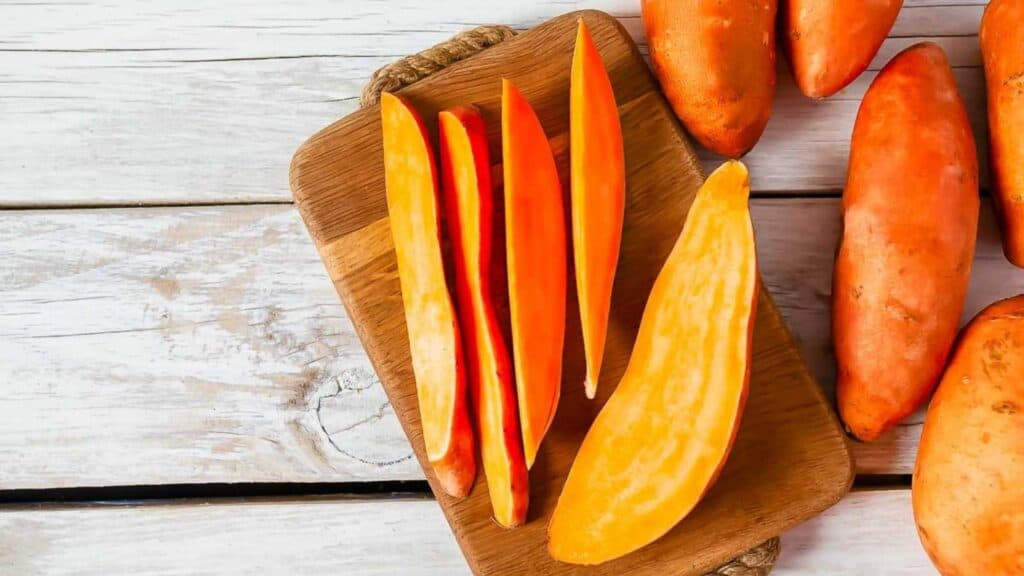
- A tray of roasted vegetables like broccoli, carrots or squash.
- Quick sautéed greens like spinach or kale.
- Raw options like cucumbers, shredded cabbage or peppers.
Having both ready makes it easier to change things up without extra prep.
Sauce or flavor element
This is what keeps meals from feeling repetitive more than anything else. Here are some you can try:
- A simple vinaigrette.
- Pesto or chimichurri.
- Salsa or pico.
- Yogurt-based sauce.
- Something bold like chili crisp or a spicy sauce.
Even just switching the sauce can make the same base ingredients feel like a completely different meal.
Mix and match meals throughout the week
Once you’ve got the components ready, the rest of the week becomes more about assembling than cooking. You’re working with the same base ingredients, but the format and flavor change enough that meals feel different.
Bowl meals
This is the easiest place to start and a great place to default to. You can do the following:
- Grain or potato base.
- Protein on top.
- Vegetables layered in.
- Finish with a sauce.
You can enjoy a bowl warm or cold, depending on your preference. One day it might be rice, chicken, roasted broccoli and vinaigrette. Next, it’s the same chicken over quinoa with raw vegetables, using a completely different sauce.
Wraps and sandwiches
Using the same ingredients in a different format, like a wrap or sandwich, will instantly make your meal feel completely novel. Try these on your next meal:
- Use tortillas, pita or bread.
- Add a spread or cheese for extra flavor.
- Layer in crunchy vegetables for contrast.
Shredded chicken with roasted vegetables might feel repetitive in a bowl, but wrapped up in a tortilla with a sauce and something crisp, it’s a totally different experience.
Stir-fries and skillets
This approach shines because it’s where you can bring everything back to life with heat. You can try the following:
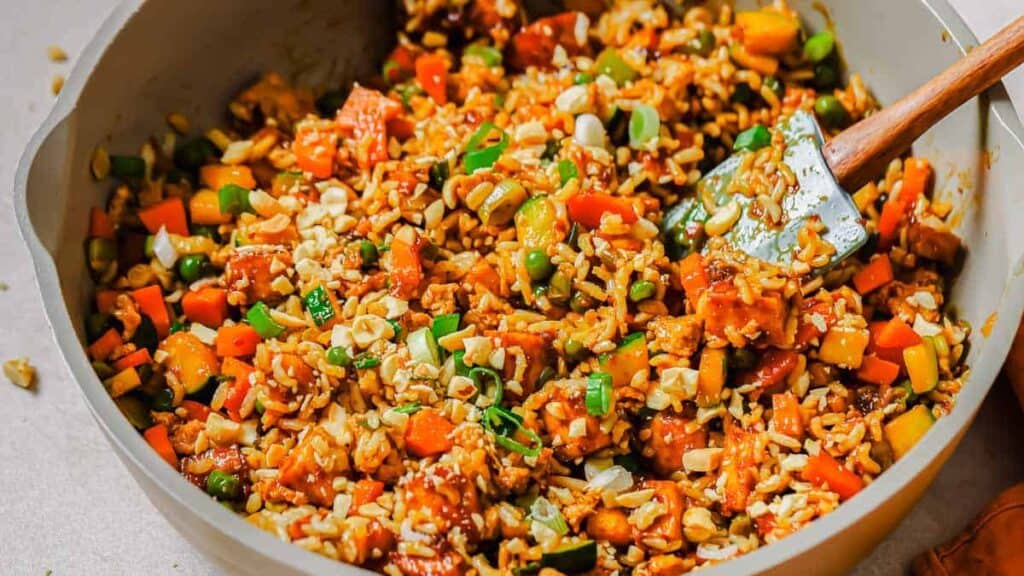
- Toss protein, carbs and vegetables into a pan.
- Add a sauce and let it cook together for a few minutes.
- Let things crisp up slightly for more texture.
This pork and cabbage stir fry is an excellent example of how simple prepped ingredients can turn into a stir-fry with a sauce that only takes a few minutes to whisk together. Even if everything was cooked earlier, this step changes both the flavor and texture enough that it doesn’t feel like leftovers.
Salads
Using prepped ingredients makes salads more approachable and filling.
- Start with greens.
- Add protein and cooked vegetables.
- Include something crunchy like nuts, seeds or granola.
- Toss with a dressing or sauce.
For salads, making your own dressing can give the meal a much more homemade feel. Something like citrus poppyseed dressing is incredibly simple to whip up while tasting much fresher and brighter than anything store bought.
Quick comfort meals
Don’t worry, when you want something warmer or more filling, component meals can still accomplish that. Test these out for lunch or dinner:
- Turn rice and protein into a quick soup with broth.
- Combine protein, carbs and sauce in a baking dish and heat through.
- Add cheese or a creamy element to shift the direction.
If you prepared chicken breasts, this easy baked salsa chicken is a great option for something comforting and cozy.
Tips to keep it from getting boring
The easiest way to keep meals from feeling repetitive is to change the sauce. Even if everything else stays the same, a different dressing or something spicy can shift the whole dish. Texture matters too. If everything is soft and reheated, it’s going to feel like leftovers, so add something crunchy or reheat components in a pan to get a little crisp.
It also helps to add something fresh each day. A squeeze of lemon, some herbs or sliced green onions can bring everything back to life. Keep your components stored separately so nothing gets soggy, and you can build meals differently depending on what you want.
Make it work for your week
Once you get used to thinking about your weekly meals this way, it takes a lot of pressure off lunch and dinner. You’re not cooking every night, but you’re also not stuck eating the same thing over and over; it’s a win-win all around.
Gina Matsoukas is the writer, photographer and recipe creator of Running to the Kitchen. Focusing on healthy, seasonal, whole-food recipes, her work has been featured in various online and print publications, including Food Network, Prevention Magazine and Women’s Health. Gina lives in central New York, where she enjoys an active outdoor life.