
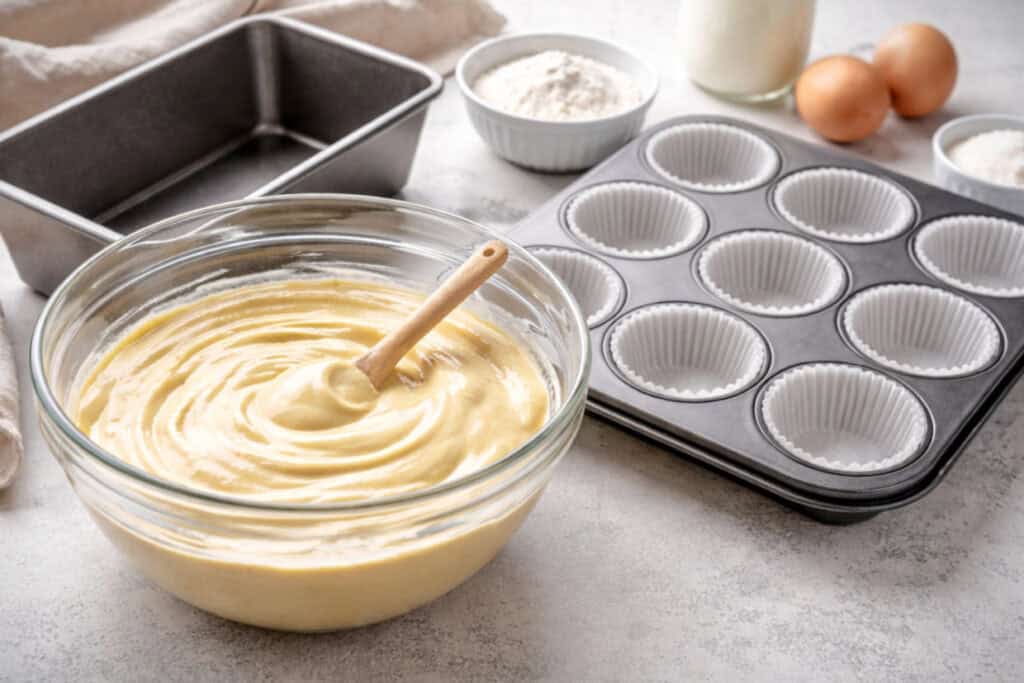
Can you swap baking pans and still get good results? Most home bakers have stood in the kitchen wondering if they can turn a loaf into muffins or cake batter into cupcakes. Sometimes it works, but I’ve had plenty of batters go wrong just because I used the wrong pan.
This post may contain affiliate link(s). As an Amazon Associate, I earn from qualifying purchases. See Disclosures.
The truth is, swapping pans isn’t just about convenience; it changes how the batter bakes from the minute it goes into the oven. The size and shape of the pan affect how quickly it sets and whether it holds together or sinks in the middle. It’s a small detail, but it makes a big difference. Once you understand that, you can make smarter swaps and know when it’s better to stick with the pan the recipe calls for. I do this all the time in my own kitchen when I want to change things up without starting over.
What actually changes when you swap pans
When you change the pan, you change the entire baking environment, which directly affects texture, structure and timing. Understanding how different pans behave can make a big difference in how your baked goods turn out.
One thing that catches bakers off guard is how much pan size really matters. An 8-inch and 9-inch pan don’t look that different sitting on the counter, but that extra inch changes how the batter spreads and bakes. Use a bigger pan and the batter bakes thinner, which means it can bake faster and dry out before the center is fully set.
Go the other direction and use a pan that’s too small, and you’ll run into the opposite problem. The batter can crowd the pan, rise too much and then fall because it doesn’t have enough support. That’s usually when you end up with overflow or a sunken middle.
Some swaps are easier than others. An 8-inch square and a 9-inch round are often close enough to trade without much trouble. Deeper pans like loaf and tube pans can sometimes stand in for each other, but you still need to keep an eye on how much batter they’re meant to hold.
Here’s what changes when you switch pans:
- Surface area: Muffins and cupcakes have more exposed edges, so they bake faster.
- Heat distribution: Smaller portions heat through quickly, while larger pans take longer to set in the center.
- Center bake time: A loaf needs more time for the middle to fully cook without overbaking the edges.
- Crust-to-crumb ratio: Muffins have more crust, while loaves have a softer interior.
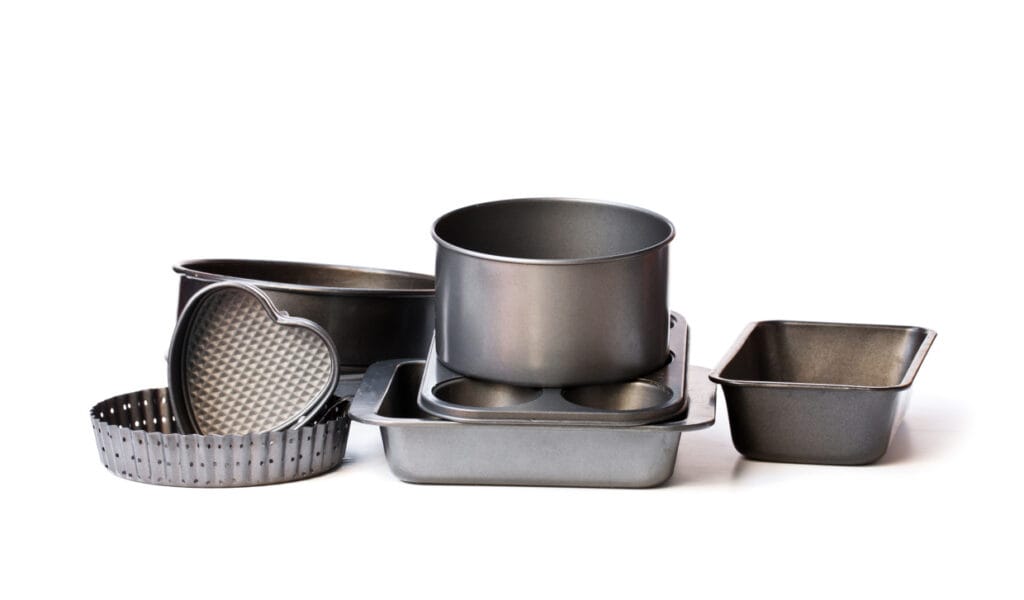
Quick bread batter to muffins
This is one of the most reliable swaps you can make in baking. Quick breads and muffins are made the same way, so they tend to bake similarly. The structure is nearly identical, which is why this swap works so well in most kitchens. I turn this spiced orange cranberry bread into muffins, and it is a great way to change it up without changing the recipe.
Quick breads and muffins both rely on:
- Chemical leavening agents, such as baking powder or baking soda.
- Higher fat for moisture.
- Thicker batter.
- Minimal mixing.
The main difference is how they bake. A loaf pan holds heat longer, so the center takes more time to set, while muffins bake faster because the batter is divided into smaller portions.
Here’s how to make this swap work:
- Fill muffin cups about 2/3 to 3/4 full.
- Reduce the bake time and start checking early. If your quick bread takes about 60 minutes as a loaf, muffins will usually bake in 18-22 minutes at 350 degrees Fahrenheit.
- Avoid overmixing, which can make muffins dense.
Muffin batter to a loaf pan
This swap can work, but it is where things start to get less predictable. Some muffin batters are designed to rise quickly and create a tall dome at higher temperatures. When the same batter is baked in a loaf pan, the center may lack sufficient support to hold its shape. I have had this go both ways, and it usually comes down to how strong the batter is.
Here are a few things to watch for before making the switch:
- Batter that feels thin or loose.
- Recipes with less flour or fewer eggs.
- Oven temperatures that are too high for a larger pan.
If you want better results, these small adjustments can help:
- Lower the oven temperature slightly.
- Expect a longer bake time.
- Check the center carefully before removing from the oven.
More flour and eggs create structure. Without that support, a loaf pan can reveal weaknesses that muffins can hide.
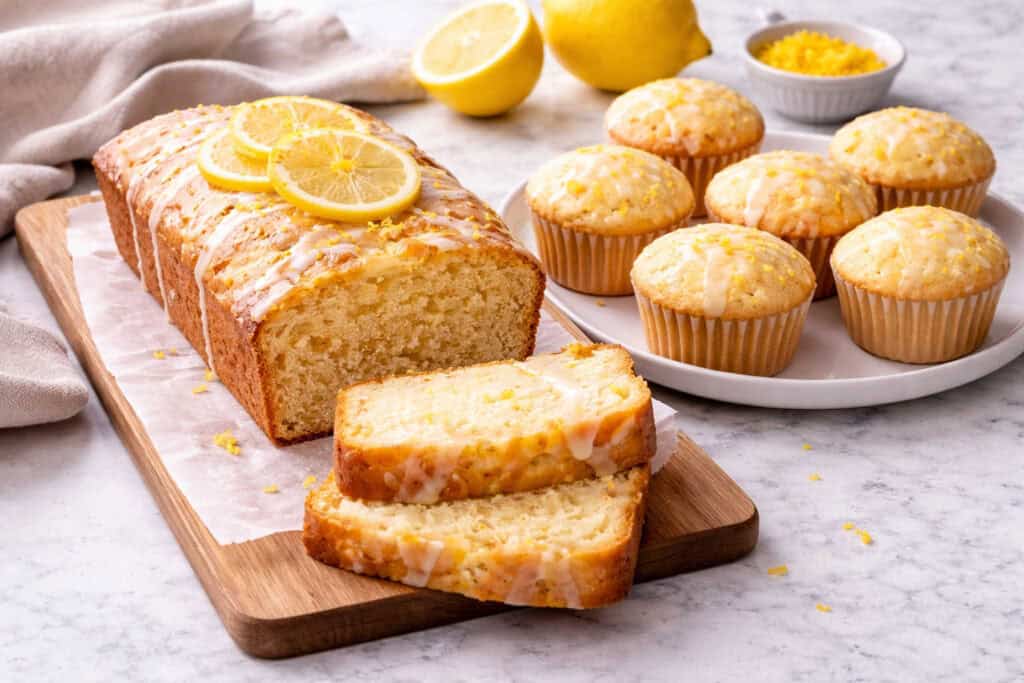
Cake batter to cupcakes
This is one of the easiest swaps you can make. Cake batter and cupcake batter are the same, just baked in different pans. Because cupcakes bake faster, they are often more forgiving than full-size cakes. I like that I can use the same batter in two different ways.
When making the switch, keep these points in mind:
- Reduce the bake time.
- Fill cups about 2/3 full.
- Rotate pans if your oven has hot spots.
As long as you watch the timing, this is a dependable change. I usually start checking early because cupcakes can go from done to overbaked pretty quickly.
Cake mix to muffins
Using cake mix for muffins works, but the final texture will be different. Cake mixes are designed to create a soft, fine crumb with a sweeter flavor. When baked as muffins, that formula behaves a little differently than a traditional muffin batter. I’ve used this shortcut when I needed something quick, and it works, just expect a softer, sweeter result.
Here is what you may notice:
- Faster browning.
- Sweeter flavor.
- Less of a classic muffin dome.
That difference comes from the higher sugar content, which affects both structure and browning. Because of that, muffins made from cake mix tend to bake and brown faster than expected.
When you shouldn’t swap
Some batters are built for very specific conditions and do not handle changes well. This is where following the recipe matters most. These recipes rely on precise structure, and changing the pan can lead to collapse or poor texture. Cakes like this raspberry chiffon cake have to be baked in a tube pan to hold their structure properly.
Avoid swapping pans with these:
- Angel food cake.
- High-ratio cakes with very high sugar.
- Yeasted batters.
- Very thin batters like popovers.
In these cases, the pan is part of the recipe, not just a container.
The bottom line
You can swap pans more often than you think, but it is not always a straight trade. The more you understand how batter structure works, the easier it is to make those calls.
Quick breads and muffins are flexible, cakes and cupcakes are interchangeable, and everything else depends on how the batter is built. I also like taking a simple sheet cake and turning it into layers when I want something that feels a little more special without changing the recipe, as I do with this lemon cake. Once you start paying attention to this, you stop guessing and start baking with a lot more confidence.
Jere Cassidy is the writer and recipe developer behind the blog One Hot Oven. A passion for all things food-related led her to culinary school to expand her baking skills and now to share easy recipes for all home cooks and bakers of all skill levels. When not in the kitchen, Jere’ likes to travel far and wide to find delicious food.