
What would Halloween be without a good scare? Horror is the season’s partner-in-crime, fueling haunted houses, movie marathons and eerie traditions every October. This mix of fear and festivity keeps the spirit of the holiday alive each year.
This post may contain affiliate link(s). As an Amazon Associate, I earn from qualifying purchases. See Disclosures.
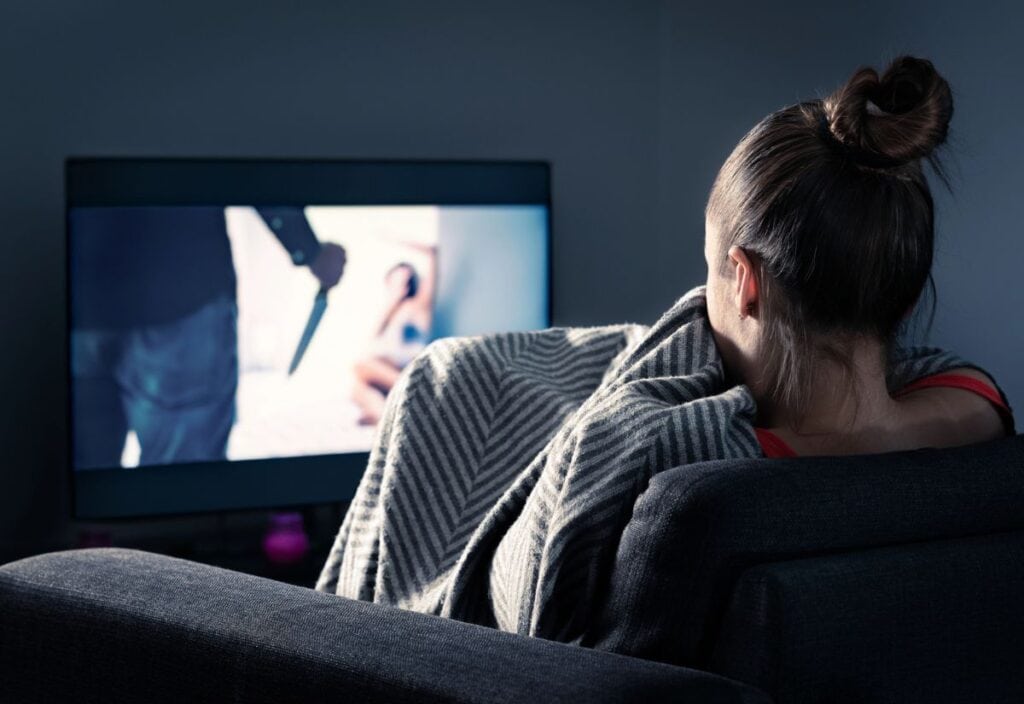
It’s no surprise that you might line up scary movies on Netflix this Halloween. Experts note we enjoy thrills when the danger isn’t real. That sense of shared fear is part of what makes the spooky season such a social tradition.
Fear at the center of Halloween
Halloween’s connection to horror runs deep, starting with the Celtic festival of Samhain, when people believed the barrier between the living and the dead was weakest. Communities lit fires and offered food to keep spirits at peace, rituals that later inspired costumes and door-to-door visits. The church built on these traditions by creating All Hallows’ Eve, blending pagan practices with Christian observances.
By the late 1800s, Halloween became more about community gatherings and playful scares, as pumpkin carving and trick-or-treating turned the night into a neighborhood event. What remained constant was the theme of facing fears safely, giving people a chance to explore death and the unknown without real risk. That lasting connection keeps horror central to Halloween today, sustaining the holiday’s mix of fun and fright.
Horror icons on screen
Hollywood has played a major part in keeping horror tied to Halloween. Classic films introduced the haunted house, masked killer and final-girl archetypes that still define the genre. Hits like “Friday the 13th” and “A Nightmare on Elm Street” made fright flicks a box office force and built fan bases that return every October.
In recent years, psychological thrillers like “Get Out” and “Hereditary” have brought deeper themes and social commentary, pulling in audiences beyond traditional horror fans. Streaming platforms now curate scary titles each fall, making it easy to binge all October. Studios also re-release classic films ahead of Halloween and revive franchises such as “Scream” and “It,” introducing iconic scares to younger viewers with modern effects.
Live frights draw big crowds
Haunted houses and live scare experiences have become central to Halloween celebrations. Professional haunted attractions have grown nationwide, offering elaborate sets, live actors and special effects. Las Vegas is home to Universal Horror Unleashed, a year-round walk-through experience that lets fans get their fright fix beyond October. In Atlanta, Netherworld draws crowds with new themes each season, including this year’s Monsters Attack! and Oblivion: Return of the Mangler.
Local traditions keep the scares closer to home, with hayrides, corn mazes and ghost tours drawing families and thrill-seekers. These events combine community fun with the adrenaline rush of jump scares, helping keep horror an interactive element of the season.
The psychology of spooky fun
Audiences keep coming back to horror because it offers a way to feel fear in a safe setting. The jump scares and tense moments stimulate the nervous system, creating an adrenaline rush without real danger. Finishing a scary movie or walking out of a haunted house often brings relief and even a sense of accomplishment, which adds to the appeal.
While some viewers may have nightmares or feel anxious right after, studies show these effects fade quickly. In many cases, horror helps people practice handling fear, which can make them more confident when they face challenges in real life.
Chills across generations
Horror now spans every age group, offering everything from lighthearted scares to thought-provoking thrillers. Movies like “Hocus Pocus,” “Casper” and “The Addams Family” made Halloween a family tradition, while animated favorites such as “Coraline,” “Monster House” and “Hotel Transylvania” keep the season fun without the gore. Streaming platforms have leaned into the trend by curating kid-safe collections that make October movie nights easy to plan.
Teens get their turn with thrillers like “Goosebumps” and “I Know What You Did Last Summer,” which mix relatable characters with age-appropriate suspense. Young adults often find their way into the genre through gateway series like “Stranger Things” and “Fear Street,” where nostalgia and jump scares keep the tension exciting but manageable. For those looking for darker themes, psychological films such as “The Witch” and “The Babadook” dig into fear, grief and human nature, giving horror staying power well beyond Halloween.
Pop culture thrives on fear
Horror’s influence extends beyond the screen, shaping Halloween traditions and leaving its mark on pop culture year-round. Iconic characters inspire October costume trends, while branded snacks, collectibles and tie-in products turn scares into seasonal sales.
Fans keep the genre in the spotlight through conventions and streaming communities that celebrate horror throughout the year. Its presence in memes, fashion and design demonstrates how fright has become a lasting part of modern culture, not just a Halloween feature.
The genre’s unbroken spooky streak
Horror holds a steady place in Halloween, keeping audiences engaged each year. Its influence runs from ancient traditions to modern films, haunted houses and family events. The genre gives people a safe way to experience fear and helps turn the season into a shared celebration. Each October, it delivers the scares and excitement that define the holiday.
Zuzana Paar is the creator of Sustainable Life Ideas, a lifestyle blog dedicated to simple, intentional and eco-friendly living. With a global perspective shaped by years abroad, she shares everyday tips, thoughtful routines and creative ways to live more sustainably, without the overwhelm.