
Mushroom season no longer centers on the basics, as spring brings more than just white button and cremini. Oyster, shiitake, maitake and morels appear across menus, giving shoppers new ways to move beyond familiar picks.
This post may contain affiliate link(s). As an Amazon Associate, I earn from qualifying purchases. See Disclosures.
The mushroom industry is expected to reach $72.3 billion in 2026, as rising demand for plant-based protein and growing awareness of nutritional value continue to drive sales. That demand shows up in the kitchen, with shoppers picking varieties for heat response, flavor absorption and structure on the plate, treating mushrooms as key ingredients rather than background extras.
Oyster mushrooms fit daily cooking routines
Revenue from mushroom sales is projected to grow about 10% each year through 2036, with the market expected to pass $191 billion. That growth aligns with wider supermarket availability of cultivated varieties such as oyster mushrooms, which often serve as a starting point for shoppers moving past standard button types.
Oyster mushrooms suit quick meals, as their thin, layered caps cook quickly and can be added toward the end of stir-fries or fried rice. They also work well for meals that build in stages and need ingredients that respond quickly to heat.
Flavor pairings remain straightforward, with garlic butter, soy-based sauces and light seasoning blends fitting in easily. Minimal prep and flexibility make them a regular part of everyday cooking rather than something reserved for special use.
Shiitake mushrooms remain versatile across formats
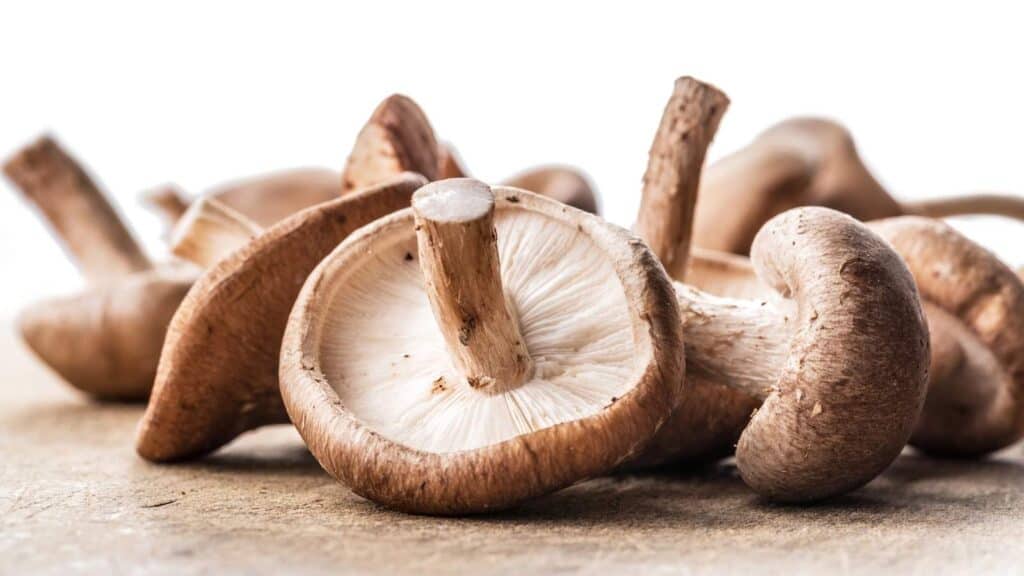
Shiitake mushrooms come in fresh and dried forms, giving cooks two distinct ways to use the same ingredient, with each form producing a different result. Dried shiitake require soaking before use, a step that draws out a deeper, more concentrated flavor. The soaking liquid often becomes part of the dish, especially in soups, where it adds depth to the broth. Many recipes rely on both the mushrooms and the liquid to build a fuller base.
Fresh shiitake offer a firmer bite and a more direct flavor, making them a reliable choice for stir-fries and longer-cooked dishes. Often sliced and added to pans, they cook through without breaking apart, which helps them hold their presence alongside other ingredients. Switching between fresh and dried versions gives cooks flexibility without changing ingredients.
Dense varieties support larger portions
Maitake and king oyster mushrooms help build out a dish, adding substance without feeling like a filler. Their size allows cooks to serve them in larger pieces that remain distinct after cooking.
Maitake grows in clustered fronds that respond well to high heat, with edges turning crisp while the inner sections stay tender for contrast. Roasting or pan-searing brings out this texture, making it suitable as a main vegetable rather than a small addition.
King oyster mushrooms have thick stems that can be cut into wide slices, which stay intact during cooking. These larger pieces work well in pans or braises where smaller cuts might break down too quickly.
Morels return during a short spring season
Morel mushrooms appear for a short stretch each spring, with supply tied to local weather and growing conditions. Most come from foraging rather than controlled growing, which keeps availability limited and inconsistent.
Their hollow interior absorbs butter, cream, or broth while remaining intact, allowing the flavor to coat both the surface and the center. This gives them a distinct role in dishes where sauce is meant to carry through each bite.
Morels must be cooked before serving, as they are not safe to eat raw, whether prepared at home or in restaurants. During peak weeks, they are often kept simple, sautéed in butter and served with eggs or on toast, or added to cream-based sauces where they hold their structure while absorbing flavor.
Mushroom selection expands in everyday meals
Interest in nonbasic mushrooms challenges reliance on the same few familiar ingredients. As more shoppers try different varieties, those choices are likely to settle into regular use instead of remaining occasional. Short seasonal windows also encourage experimentation and influence buying patterns, as shoppers find new ways to use mushrooms that are only available for a limited time.
Zuzana Paar is the visionary behind five inspiring websites: Amazing Travel Life, Low Carb No Carb, Best Clean Eating, Tiny Batch Cooking and Sustainable Life Ideas. As a content creator, recipe developer, blogger and photographer, Zuzana shares her diverse skills through breathtaking travel adventures, healthy recipes and eco-friendly living tips. Her work inspires readers to live their best, healthiest and most sustainable lives.