
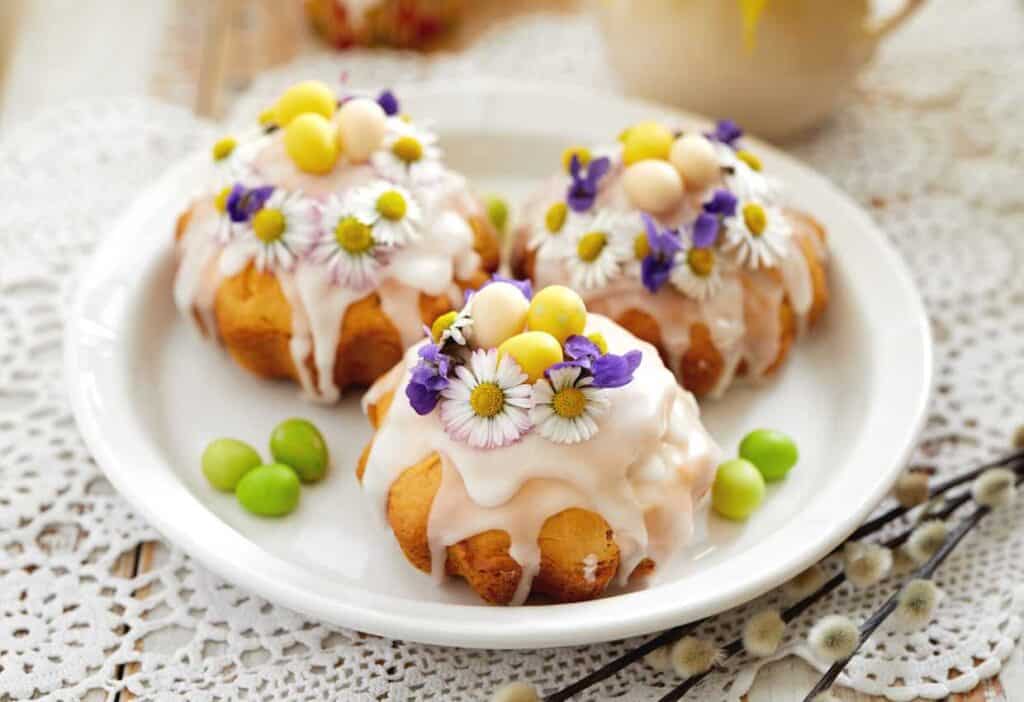
Edible flowers and herbs stand out this spring as cooks across the country give these once-secondary ingredients a bigger role at the table. They now appear in salads, seafood, desserts and drinks for flavor, fragrance and color, not just decoration. For Americans shopping for, cooking and serving seasonal food, even the smallest ingredients now have more to do.
This post may contain affiliate link(s). As an Amazon Associate, I earn from qualifying purchases. See Disclosures.
Commercial interest rises as spring cooking moves toward lighter dishes and more polished plating. The edible flower market is projected to grow from $476.82 million in 2026 to $792.11 million by 2034, while fresh herbs are expected to reach $1,541.9 million in revenue by 2030. These figures suggest these ingredients are becoming a more regular part of seasonal cooking.
Which flowers and herbs belong on spring plates
The University of California Agriculture and Natural Resources names several edible flowers for spring cooking, including slightly sweet pansies, floral rose petals, fragrant lavender and mild sage flowers. Borage, with a slight cucumber flavor, and nasturtiums, which have a peppery bite, work well in salads and drinks, while calendula’s saffron-like note suits rice and baked goods, and mild squash blossoms fit lighter savory dishes.
The University of Florida Institute of Food and Agricultural Sciences lists spring herbs such as basil and cilantro as useful options. Chervil works in salads and soups, lemon balm adds flavor and aroma to drinks, mint can be used fresh or dried and rosemary, sage and thyme add a stronger savory finish to fish, chicken and vegetables.
Edible flowers and herbs reach wider use
The edible flower market is projected to grow at a 6.55% compound annual rate from 2026 to 2034. This trend gives the category more commercial weight and points to a larger ingredient business across various operators.
Spring helps drive that demand, as restaurants and home cooks lean on lighter dishes, brunch plates and desserts that leave room for small finishing ingredients. Edible flowers now show up more often in dishes and drinks, moving beyond plate decoration into regular use.
As kitchens treat flowers more like ingredients, supply becomes more important. Growers, retailers and foodservice operators must source, handle and sell them like other fresh food items, reinforcing their place in seasonal food sales.
Fresh herbs keep it practical
Fresh herbs are becoming a daily staple, with Grand View Research reporting that the U.S. fresh herbs market is expected to reach an 8.4% compound annual growth rate through 2030. That forecast supports the idea that herbs remain one of the easiest ways to freshen spring food without rebuilding the whole meal.
Herbs are also practical because they are well-suited to home growing and are usually needed only in small amounts, which fits how many people use them in everyday cooking. A little basil, mint, thyme or rosemary can finish a weeknight dish without adding much cost or extra effort.
Presentation matters on spring plates
Presentation now carries more weight in home cooking, not only in restaurants. HelloFresh’s 2025-2026 State of Home Cooking Report says that 71% of adults find attractive food content inspiring, and 58% have posted a photo of something they cooked. Those figures help place edible flowers and fresh herbs in a food culture where appearance matters as much as the recipe itself.
Flowers and herbs can improve how a plate looks without adding much work. Without them, the same food may still taste good, but it can look less finished at a time when home meals are often shared with guests or photographed before they are served. A few petals or a sprig of herbs can make an ordinary plate look more complete.
Edible flowers move past garnish
Edible flowers and fresh herbs are likely to stay on spring plates, as home meals continue to double as social occasions and more cooks reach for small finishing touches. These additions can make an ordinary dish feel fit for guests, turning what once felt optional into a steadier part of spring cooking.
Zuzana Paar is the visionary behind five inspiring websites: Amazing Travel Life, Low Carb No Carb, Best Clean Eating, Tiny Batch Cooking and Sustainable Life Ideas. As a content creator, recipe developer, blogger and photographer, Zuzana shares her diverse skills through breathtaking travel adventures, healthy recipes and eco-friendly living tips. Her work inspires readers to live their best, healthiest and most sustainable lives.