
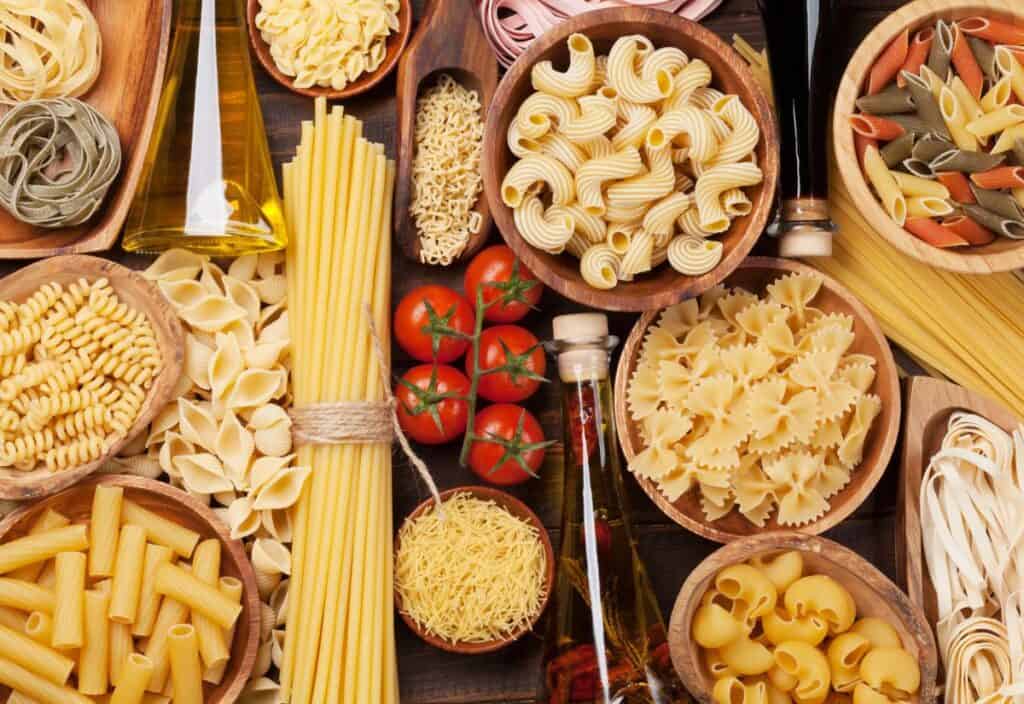
Uncommon pasta shapes are starting to reach more U.S. grocery shelves as major brands and retailers expand their assortments beyond traditional cuts, giving shoppers more variety without changing how they cook at home. The shift signifies growing interest in something new and different, even as pasta remains a steady, low-cost staple in many households.
This post may contain affiliate link(s). As an Amazon Associate, I earn from qualifying purchases. See Disclosures.
The broader pasta assortment comes as the category continues to grow. The global pasta market is projected to rise from $36.54 billion in 2025 to $50.76 billion by 2031, creating more room for manufacturers to introduce new shapes alongside established staples.
More pasta shapes reach mainstream grocery shelves
Research and Markets estimates the global pasta market will grow at a 5.63% annual rate from 2025 to 2031. That growth is showing up on store shelves, where national brands are moving beyond spaghetti, penne and rotini, adding more variety while keeping cooking methods familiar. In addition, retailers are widening their assortments with private-label and imported products that introduce shapes once confined to specialty markets within reach of everyday shoppers.
Barilla, for example, has expanded its lineup with limited-edition and specialty shapes, including wheel-shaped pasta for its Formula 1 partnership as well as seasonal formats like hearts and snowflakes. Those releases sit alongside lesser-known traditional shapes that are now easier to find in conventional grocery stores rather than only in specialty markets.
Shape changes how pasta works on the plate
Shape and size matter when it comes to cooking pasta; shape affects how a dish comes together, from how it holds sauce to how it delivers texture in each bite. Ridged and tubular shapes tend to catch thicker sauces, while smooth or flat cuts work better with lighter preparations. On the other hand, twisted or compact shapes hold ingredients like vegetables or meat differently than long strands, which can change how a dish is built and served. As more shapes become available, cooks are choosing them intentionally instead of defaulting to familiar options.
“There’s something fun about cooking with unexpected pasta shapes,” says Bella Bucchiotti, owner of xoxoBella. “Paccheri is my go-to because it’s hearty, a little dramatic and perfect for catching every bit of sauce.”
Lesser-known shapes expand across long and short formats
For long pastas, options now go well beyond spaghetti and linguine. Shapes like bucatini, which has a hollow center, and mafaldine, with ruffled edges, are appearing more often in mainstream assortments. Thicker strands like pici and twisted formats such as trofie are also gaining visibility, giving cooks more ways to handle sauces that need structure or grip.
Short shapes are seeing even more variation in addition to familiar cuts like penne and rigatoni, with shelves now including radiatori with tight ridges, cavatappi with spiral tubes, gemelli with a double-twist look and orecchiette shaped like small cups. Smaller formats like ditalini and pastina continue to appear alongside more distinct shapes designed to stand out visually or function differently in a dish. Novelty designs are gaining ground, too, from wheels tied to brand partnerships to seasonal hearts and snowflakes.
What sticks and what doesn’t
Pasta salad season is where the difference shows up most clearly. As cookouts, potlucks and packed lunches become popular through spring and summer, shoppers reach beyond spaghetti for shapes that can actually hold up in a cold dish. Cavatappi spirals trap vinaigrette in every coil, rotini that holds onto Italian dressing without going slick and farfalle catches diced vegetables and cubed cheese between its folds. Once a shape proves itself in a salad that travels well to a barbecue, it tends to stay on the shopping list year-round, moving into baked dishes in the fall and soups in the winter.
The shapes that don’t stick are the ones built for a moment, like seasonal hearts and snowflakes that get a single use, and branded novelty shapes that are collected or gifted more than cooked. Pasta is one of the few categories where switching shape costs nothing; boil time and technique stay roughly the same, so trial is cheap. Repeat purchase depends on whether the shape can pull its weight in a meal the household already makes, and pasta salad is often where that happens.
Pasta variety continues to grow without replacing classics
Even as more shapes appear on shelves, traditional formats continue to dominate overall sales. Spaghetti, penne and similar cuts remain the foundation of most pasta meals, and new shapes are layering into the category rather than replacing those staples. As manufacturers continue to introduce new and revived formats alongside core products, variety is likely to keep expanding, driven less by novelty and more by how easily those shapes fit into everyday meals.
Zuzana Paar is the visionary behind five inspiring websites: Amazing Travel Life, Low Carb No Carb, Best Clean Eating, Tiny Batch Cooking and Sustainable Life Ideas. As a content creator, recipe developer, blogger and photographer, Zuzana shares her diverse skills through breathtaking travel adventures, healthy recipes and eco-friendly living tips. Her work inspires readers to live their best, healthiest and most sustainable lives.