
A family of four wastes nearly $3,000 worth of food every year. That figure, released in an April 2025 U.S. Environmental Protection Agency report, nearly doubles the previous federal estimate of $1,500; a number that had been cited for over a decade but was based on 2010 grocery prices.
The math has finally caught up. Food prices have risen more than 50% since that original calculation, and the cost of what Americans throw away has gone up along with them.
Where the money goes
The EPA report breaks it down to $728 per person annually, or about $14 per week. For a household of four, that amounts to roughly $56 per week in groceries that go uneaten. Over the course of a year, that totals $2,913; approximately 11% of the average family’s entire food budget, tossed in the trash.
The losses are not evenly distributed across the kitchen, either. According to the same EPA report, meat and dairy products are the commodity categories that offer the greatest opportunities for consumer cost savings through preventing food waste.
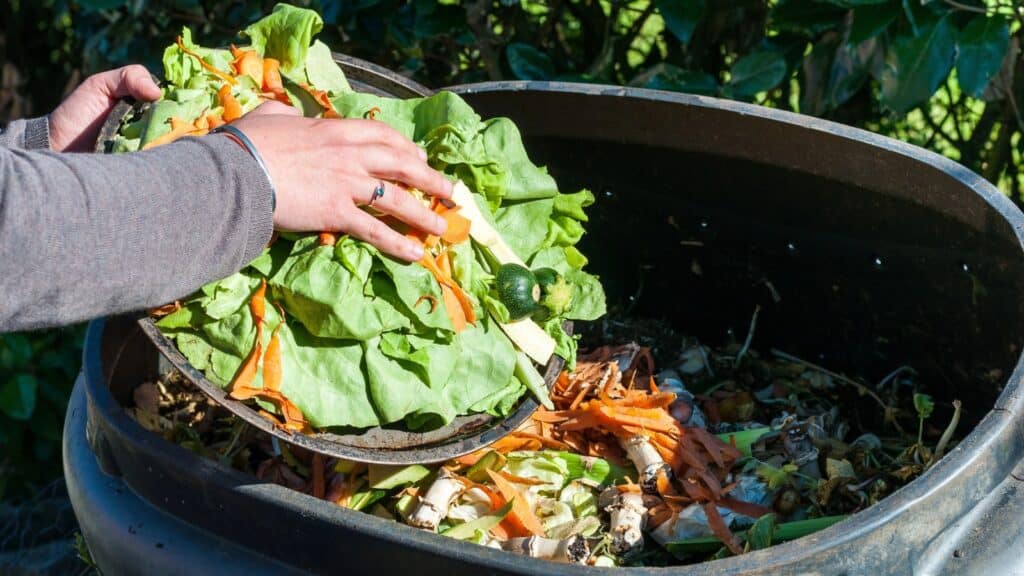
Fresh vegetables and fruit may not cost the most to waste. Still, they are often the first foods to announce themselves in the fridge: zucchini softening in the crisper drawer, berries molding before anyone tastes them and salad greens bought with good intentions, forgotten until they turn to slime.
Summer makes it worse
Peak produce season, roughly June through September, is also peak waste season. Farmers markets overflow with tomatoes, corn and stone fruit. CSA boxes arrive weekly with more vegetables than many households can reasonably use. Grocery stores stock summer produce at prices low enough to encourage overbuying.
The result is predictable. Kitchens fill up faster than families can cook through their hauls. A zucchini casserole that could have used up three squash never gets made. The vegetables go bad, and the cycle repeats
The intention gap, the distance between what people plan to cook and what they actually cook, widens in summer. Warm weather shifts eating patterns toward lighter meals, outdoor activities and spontaneous dinners out. Meanwhile, the produce purchased for ambitious cooking projects waits in the refrigerator.
The perception problem
Most people underestimate how much food they waste. Studies consistently show that consumers believe they discard far less than they actually do. The EPA report notes that this perception gap makes the problem harder to address, and people cannot fix what they do not see.
Part of the issue is visibility: a half-eaten takeout container tossed after a few days feels like a waste, and a bag of spinach that liquefies in the back of the fridge barely registers. The losses accumulate quietly, meal by meal, until they add up to nearly $3,000.
Leftovers present another challenge. A dish made with good intentions sits in the refrigerator, gets pushed behind newer items and eventually expires. The original meal was eaten; the surplus was not. That surplus has a cost, even if it never felt like waste in that moment.
What home cooks are doing differently
Recent consumer surveys suggest that rising food prices are prompting some changes, and more households report being conscious of using fresh foods before they spoil. Leftovers, once an afterthought, are becoming more intentional.
One practical approach is cooking with flexibility in mind. A quick fried rice can absorb whatever vegetables need using up, such as a half onion, aging carrots and broccoli that has been in the crisper a few days too long. Dishes that welcome improvisation reduce the pressure to use every ingredient exactly as planned.
Another shift is buying less but shopping more often. The large weekly haul that made sense when meal plans held firm may not survive the reality of busy weeks, changed plans and shifting appetites. Smaller purchases, made closer to when the food will actually be cooked, can reduce the odds that produce goes bad before it gets used.
The math that matters
At $3,000 per year, food waste is not a minor household inefficiency. It is a significant budget line item, larger than many families spend on streaming services, gym memberships or clothing combined.
Cutting that figure by even a third would save a family of four roughly $1,000 annually. That is money currently being spent on groceries, carried home, stored in the refrigerator and thrown away without ever reaching a plate.
A mango-avocado salad made before the fruit overripens, a squash casserole assembled on Sunday instead of pushed to next week and a pot of fried rice that clears out the vegetable drawer; these are not dramatic interventions. They are small decisions, repeated consistently, that determine whether food gets eaten or discarded.
The larger picture
The same EPA report found that more than one-third of all food produced goes uneaten in the United States. Food waste is the single largest component of material reaching landfills, more than any other type of trash. But for most households, the national statistics matter less than the local ones. The produce that could have been dinner but became compost, or worse, landfill.
The updated EPA estimate does not solve the problem, but it does clarify the stakes. For families already stretched by rising food costs, knowing the true price of waste is the first step toward reducing it.
Shruthi Baskaran-Makanju is a food and travel writer and a global food systems expert based in Seattle. She has lived in or traveled extensively to over 60 countries, and shares stories and recipes inspired by those travels on Urban Farmie.