
You sit down at a bar, spot something interesting on the menu and try to say it out loud. The bartender smiles and gently corrects you. That small moment is how a lot of Americans are first meeting Spain’s terrace drinks right now, because these wines and cocktails are showing up everywhere, and most people have no idea how to order them.
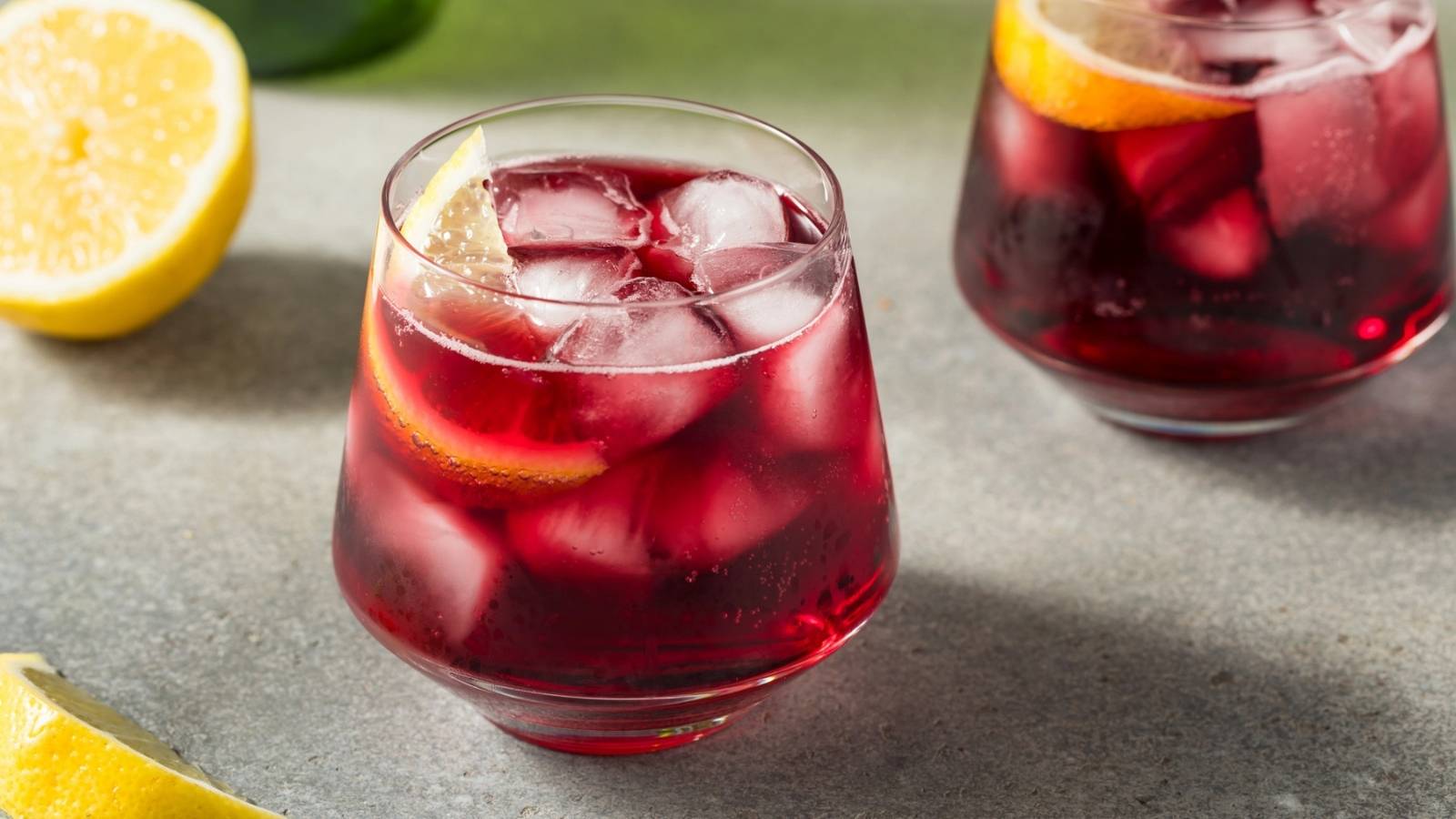
They’ve been the go-to afternoon drink in Spain for generations. But they’re having a real moment here, and if you know how to say them, you’ll sound like you’ve been drinking them for years.
More than a third of younger American drinkers have moved toward earlier, lighter drinking occasions, the same afternoon pattern that made spritz culture stick. A recent Kimpton trend forecast named kalimotxo, tinto de verano and rebujito as drinks set to grow this year, backed by data showing an 18% compound annual growth rate for premium aperitifs in the U.S. between 2018 and 2023. Here’s what each drink is and how to order it.
Kalimotxo (kah-lee-MOH-cho)
Red wine and Coca-Cola, equal parts, over ice. It sounds wrong and tastes right. It was born at a 1972 festival in the Basque town of Getxo, when organizers mixed cola into wine they worried had gone bad. The name comes from Kalimero, who came up with the fix, with “motxo,” the Basque word for ugly, added as a suffix.
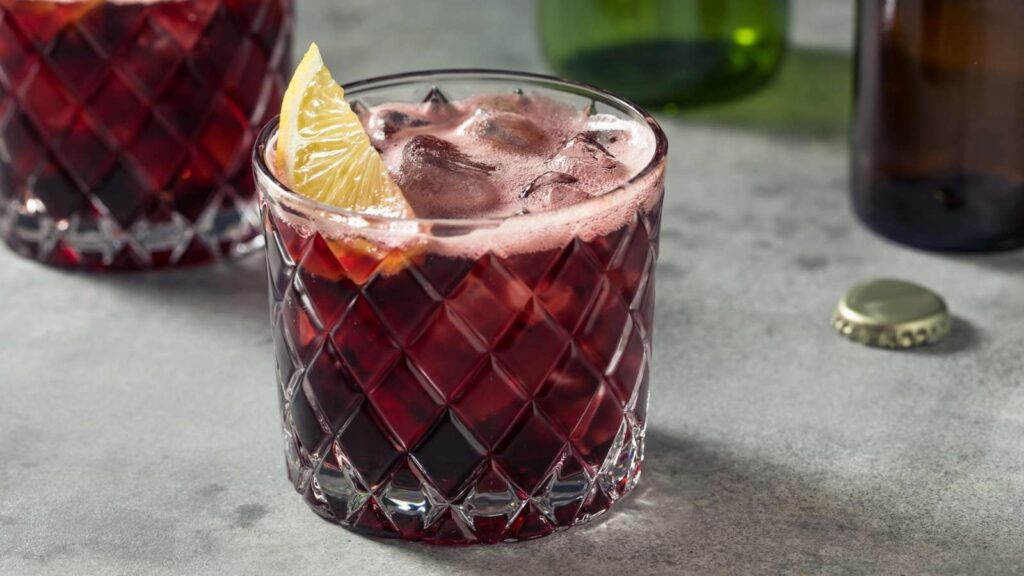
It’s caught on in the U.S. Rand Egbert named his Austin bar after it after living in the Basque Country. Pittsburgh’s DiAnoia’s Eatery has its own version. To order: “una kalimotxo” (oo-nah kah-lee-MOH-cho).
Tinto de verano (TEEN-toh deh veh-RAH-noh)
Summer red wine. Red wine and lemon soda over ice in a tall glass. It’s what Spanish locals actually order while tourists reach for sangria. Created at La Venta de Vargas, a roadside restaurant in San Fernando, in Cádiz Province, in the early 20th century. Think of it as Spain’s spritz: low effort, very refreshing.
To order: “un tinto de verano” or just “tinto verano.” The house wine is the point. You wouldn’t name a label in Spain and you don’t need to here.
Rebujito (reh-boo-HEE-toh)
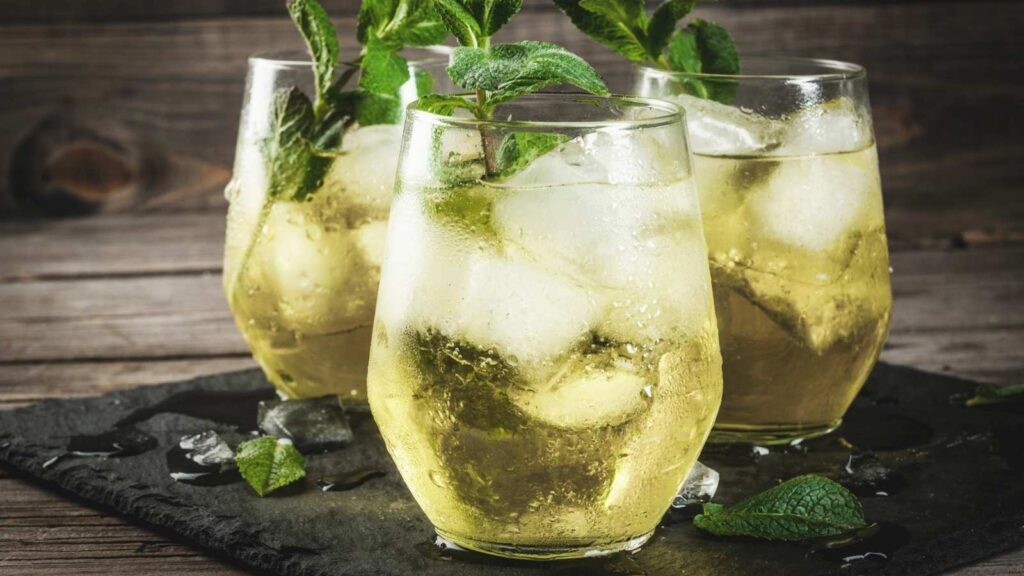
The drink of Andalusia’s spring fairs. Fino or manzanilla sherry, lemon-lime soda, fresh mint, ice. Dry, light and built for hot weather. Mario Muñoz González, a portfolio manager at Lustau, put it plainly: “The Rebujito is pure energy.” The sherry gives it a savory, nutty edge that pairs well with food.
To order: “un rebujito.” Ask whether the bar uses fino or manzanilla. Either works.
Cava (KAH-vah)
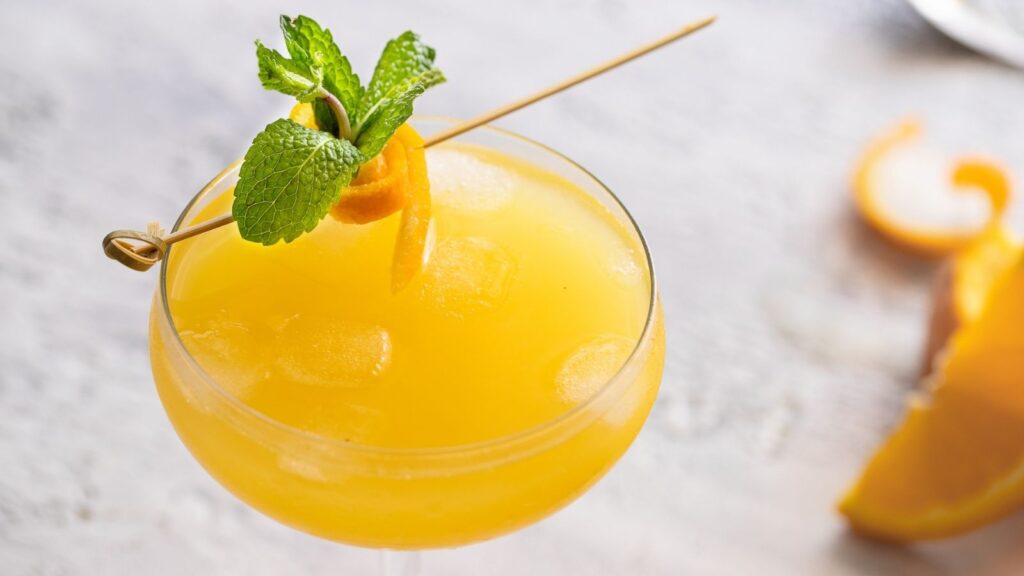
You’ve seen it on wine lists. Cava is Spain’s traditional-method sparkling wine, same process as Champagne, made in Catalonia’s Penedès region at a fraction of the price. Premium organic Cava roughly tripled in U.S. volume between 2020 and 2025. On cocktail menus, it shows up as Agua de Valencia: Cava, fresh orange juice, gin and vodka. Basically, a better mimosa.
Next time you see any of these on a menu, you know what to do.
Jennifer Allen is a retired professional chef and long-time writer. Her work appears in dozens of publications, including MSN, Yahoo, The Washington Post and The Seattle Times. These days, she’s busy in the kitchen developing recipes and traveling the world, and you can find all her best creations at Cook What You Love.