
When the first rains reach western Zambia each November, Liuwa Plain National Park hosts Africa’s second-largest wildebeest migration. The Serengeti’s herds draw visitors from around the world, but Liuwa gets only a fraction of those crowds, even when its own herds fill the plains.
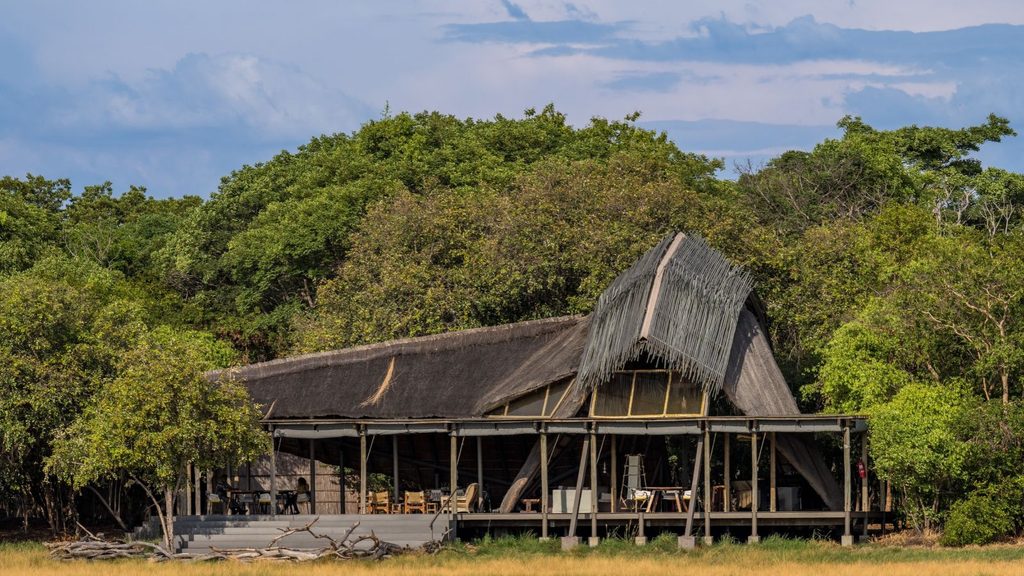
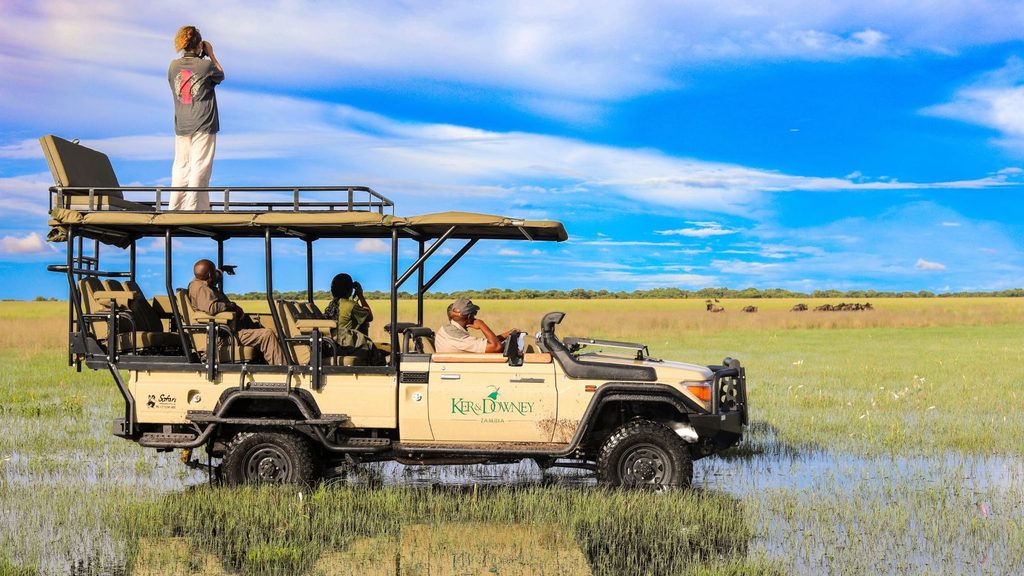
Liuwa’s visitors can often spend hours watching the herds without another safari vehicle in sight. The rains turn the dry grassland green and scatter it with wildflowers. Herds of zebras often travel right alongside the wildebeest.
How 47,000 Wildebeest Fill the Plains
Despite its reputation as one of the quieter African safari destinations, Liuwa’s migration now numbers more than 47,000 wildebeest. The animals cross the plains in search of fresh grazing and gather in huge numbers to give birth. All those newborns draw predators looking for an easy meal.
The Park Once Had a Single Lion
Liuwa’s predators include big clans of spotted hyenas, along with cheetahs, wild dogs and lions. For years, though, Lady Liuwa, a lioness, was the park’s only surviving lion after decades of poaching and human conflict.
Thanks to ongoing conservation work and a lion reintroduction, the park’s lion population has recovered and now breeds successfully.
Protections for the park go back more than 150 years, to Lozi King Lubosi Lewanika. In July 2026, African Parks, the Barotse Royal Establishment and Zambia’s Ministry of Tourism renewed their partnership to manage the park.
The park’s herds have grown so much that Liuwa now helps restock other parks in Zambia. In 2025 alone, it sent 1,952 wildebeest and 206 zebras to Kafue National Park and other protected areas.
1 Camp, 15 Guests
King Lewanika Lodge is the park’s only permanent luxury camp, according to its operator, Ker & Downey Zambia. The lodge recently reopened after a full refurbishment, and it takes no more than 15 guests across five tented suites and one family suite.
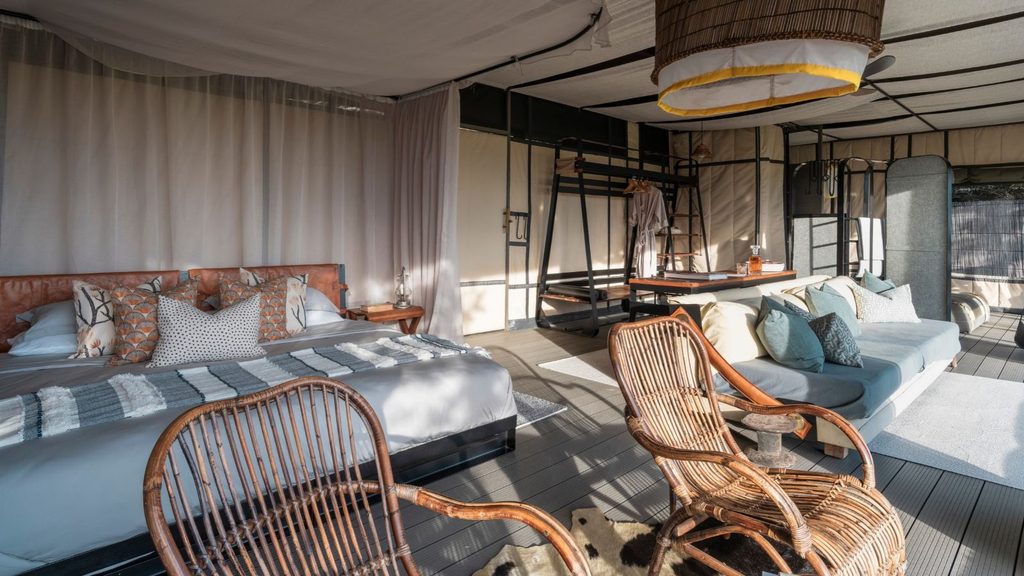
The lodge now has a new swimming pool, an outdoor dining pavilion, a spa and a yoga deck, plus redesigned shared spaces and custom safari vehicles. It runs entirely on solar power.
Reaching the lodge is easier now, with daily flights from Lusaka and Livingstone landing just 10 minutes away.
Follow the Herds Overnight
For an even closer look at the herds, ask about the lodge’s new sleepout. Guests follow the wildebeest across the plains for two days and spend a night under the stars in a mobile camp. If you can’t make it this November, the herds come back with the rains every year.