
The African safari is one of the great someday trips, the one people file away for a birthday that ends in zero or a year they finally feel flush. File it away long enough, though, and the trip changes while you wait. In 2026, the safari is splitting into a booming ultra-luxury tier and a widening budget one, with the familiar middle-priced trip caught between them; that middle is becoming two different decisions, and the one you were picturing is the one under the most pressure.
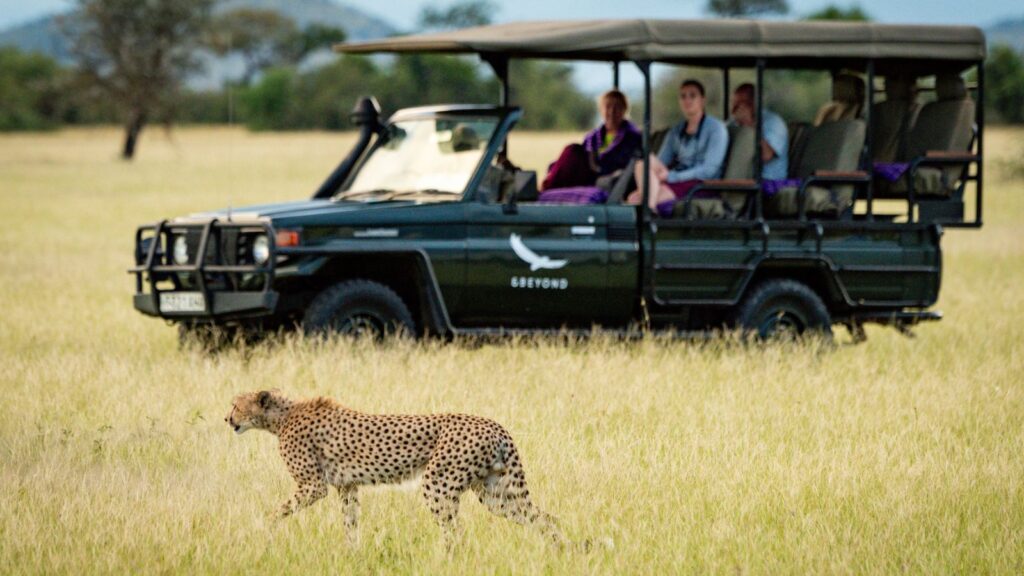
At the top of the market, a wave of new lodges is opening at four-figure nightly rates, built for travelers who want space and privacy above all. At the bottom, several governments are widening access, courting their own citizens and higher volumes of visitors than the old model ever allowed. As both ends expand, the classic mid-tier camp gets squeezed between them, and it is the tier an American planning a bucket-list trip is most likely to book.
The top end is building faster than ever
The 2026 calendar of safari openings leans heavily toward the ultra-premium, with operators emphasizing privacy and exclusivity over any attempt to serve more people. Kenya is drawing new ultra-luxury camps into the Maasai Mara, while properties across Tanzania, Zambia and Botswana open with a handful of suites and rates to match. At the very top, a night can run past $4,000 per person, and the camps filling that tier are drawing the bulk of new investment rather than sitting as rare exceptions.
Several governments are widening the bottom
At the same time, the countries that built their reputations on wildlife are deliberately broadening who gets in. Kenya welcomed 2.7 million international visitors in 2025 alongside 5.2 million domestic travelers, and its government now treats domestic tourism as a core pillar rather than an afterthought, with a target of 5 million local travelers by 2027.
Botswana, long the strictest guardian of the exclusive model, is renewing concession leases to communities and letting citizen-owned camps open in areas once reserved for the highest end. These are policy decisions enforced to distribute tourism income more widely and attract more citizens to an industry that used to serve mostly foreign guests.
Where that leaves the middle
The squeeze lands hardest on the classic mid-tier camp, and the numbers show why it is an awkward place to sit. A mid-range camp in the prime safari countries runs roughly $600 to $950 per person per day in 2026, which buys a real bed, a private guide and a proper camp, but sits far above the group mobile-camping tier that starts nearer $300. A traveler weighing the trip faces that widening jump between roughing it and paying up, with fewer operators choosing to live in the space between.
The operators still committed to that middle ground have something in common: most are owned by or built around the people who live where they operate. In Botswana, Desert & Delta Safaris has run classic camps across the Delta and the Makgadikgadi since 1982. The citizens own it through a company listed on the Botswana Stock Exchange.
In Kenya, Gamewatchers Safaris pioneered the community-conservancy model in 1997, running its Porini camps on land leased from Maasai owners who share in the revenue. In Tanzania, Nomad Tanzania staffs its camps almost entirely with Tanzanians and ranges from mobile tented sites to permanent lodges.
Even the classic end of the market has held on here. Ker & Downey Botswana, in its sixth decade, still runs the small, high-touch camps that made the country’s reputation. But operators like these are increasingly the ones choosing to stay in the middle while newer money builds at the top.
What the split means for the next few years
What is changing is not whether the safari survives but which versions of it will still exist when you get there. The classic mid-priced camp, the one that has long been most travelers’ entry point, is the part being squeezed as money moves to the top and access opens at the bottom. For anyone still filing the trip under someday, that carries a practical warning: the comfortable middle option is the one most likely to thin out first, so the traveler who wants it should plan for the next few years rather than a vague eventual one, before the choice narrows to paying far more or roughing it.
Mandy is a luxury travel, fine dining and bucket-list-adventure journalist with expert insight from 47 countries. She uncovers unforgettable experiences around the world and brings them to life through immersive storytelling that blends indulgence, culture and discovery, and shares them with a global audience as co-founder of Food Drink Life. Her articles appear on MSN and through the Associated Press wire in major U.S. outlets, including NBC, the Daily News, Boston Herald, the Chicago Sun-Times and many more.