
Cold air can make a silent furnace feel urgent. That is the wrong time to find a blocked flue, dead alarm, or dirty filter. A pre-season check can separate simple chores from jobs for a trained pro, so review these nine points before the first long heating cycle.
Start With the Furnace Filter
Check the filter before the furnace starts its busiest stretch. ENERGY STAR says a dirty filter slows airflow, makes the system work harder, wastes energy, and can make the equipment wear out sooner. Follow the furnace and filter makers’ directions because filter types and schedules vary. If yours is disposable and looks dirty, replace it with the right size and point it in the proper airflow direction.
Put the Annual Inspection on the Calendar
Fuel-burning heat systems need a yearly check by a trained pro. The U.S. Consumer Product Safety Commission says that check should cover furnaces, fireplaces, chimneys, flues, and vents. A technician can review burner use, venting, gas connections, and the heat exchanger. Book the visit before steady cold weather so there is time to fix a fault before the first overnight run.
Clear a 3-Foot Safety Zone
Move boxes, papers, clothes, and other items that can burn away from the furnace and fireplace. The National Fire Protection Association calls for at least three feet between burnable items and heating gear. Keep that space open after the first cleanup so a service tech has room to reach the furnace.
Make Sure the Fireplace Has a Screen
A wood-burning fireplace needs a strong screen to stop sparks and embers from reaching the room. Check that the screen fits the opening and is not broken or loose. NFPA guidance also says to let ashes cool before putting them in a metal container, and keep the container a safe distance from the home. Replace damaged fireplace guards before the first fire.
Give the Chimney a Professional Check
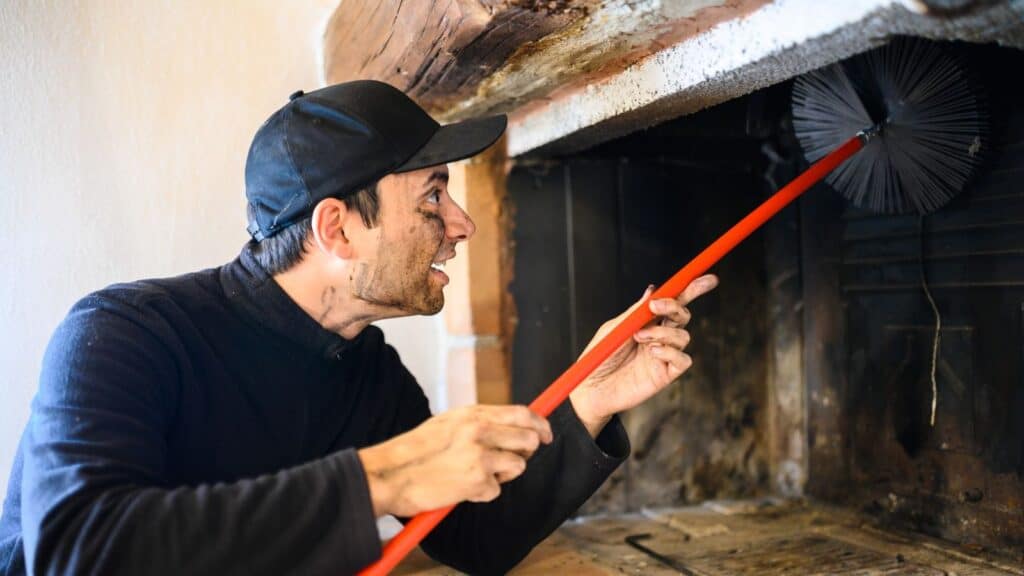
Have a trained pro inspect and clean the chimney each year. Creosote from wood fires can coat the flue and catch fire, while cracks or clogs can stop safe venting. A pro can decide what cleaning and repairs are needed. Treat the visit as a heating-season safety check, not a quick firebox sweep.
Open the Damper Before Lighting a Fire
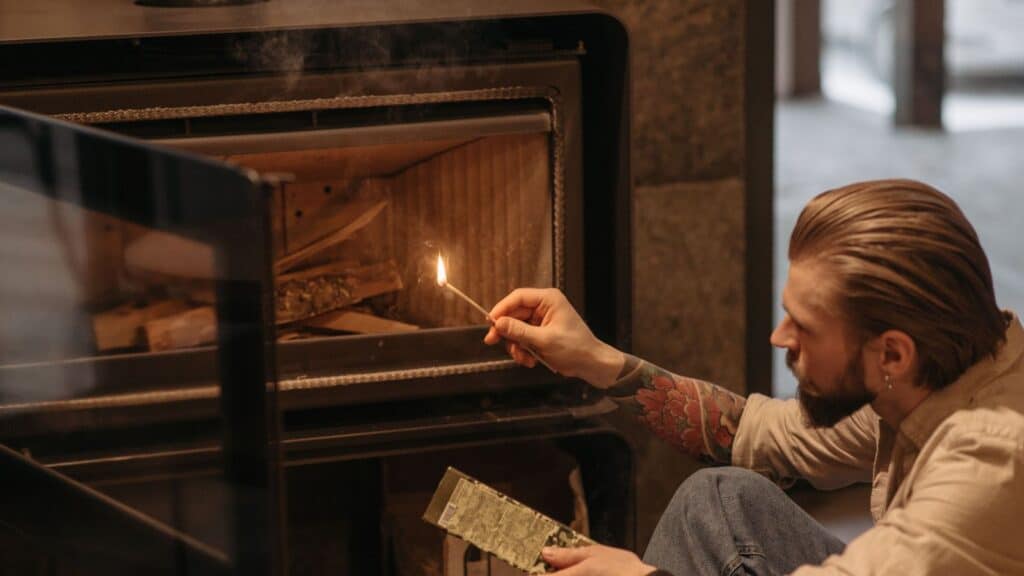
Move the damper through its full range before you build a fire. The CPSC says to open it before lighting and keep it open until the ashes are cool. If it closes while embers are still warm, toxic gas can build up indoors. Do not light the fireplace if the damper sticks or you cannot tell whether it opened. Have it serviced first.
Ask About Nests and Flue Blockages
A fireplace may look clear even when the chimney or flue is blocked farther up. The CPSC warns that birds, bugs, and other animals can build nests in vents during spring and summer. Debris can also form a clog, so ask the pro to check the full vent path. A glance from the room is not enough.
Test Every Carbon Monoxide Alarm
Test carbon monoxide alarms each month and check when they must be replaced. CPSC says alarms have maker-set replacement ages. Newer models may also signal when they reach end of life. Put working CO alarms on every level of the home and outside sleeping areas. Follow the product guide for placement, batteries, tests, and replacement. A working test button alone does not prove the sensor is still within its service life.

Run the Heat Before the Cold Arrives
Pick a mild day for the first heating cycle so you have time to spot trouble. A brief dusty smell can occur when heat first starts after months of rest. A burning plastic or electric smell calls for shutting the system off and calling a trained tech. If you smell rotten eggs near a gas furnace, leave the home. Call the gas company from outside.
Make the First Cold Night Uneventful
Reliable heat should feel routine. A pre-season check can’t predict every fault, but it can show which tasks belong on your list and which ones need a trained pro. Once the equipment, vents, and alarms are ready, the first cold night can be about comfort instead of an urgent repair call.