
The cider that goes into pancakes is not always the cider that deglazes a pan after pork or chicken. Both start as pressed apples, but one stays sweet and cloudy while the other ferments into a drier, alcoholic drink that cooks treat much like wine. With Apple Cider Day on Nov. 18 and Thanksgiving cooking close behind, a cook at the shelf needs to know which one suits a pan sauce and which suits a glaze.
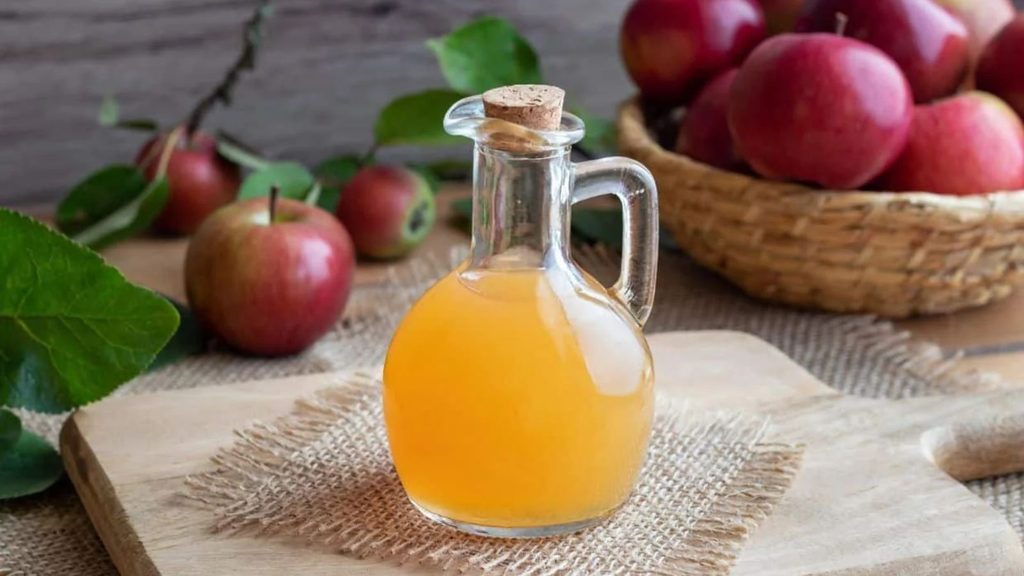
Unlike apple juice, which is filtered and pasteurized for a longer shelf life, cider is made by grinding and pressing apples and stays unfiltered, although commercial bottles are usually pasteurized as well. Hard cider starts as that same pressed cider and keeps fermenting until the sugar turns to alcohol. Both begin with the apple harvest, which the latest industry forecast puts at 263 million bushels nationwide this year, down 7% from last year and 3% below the five-year average. Federal estimates show Pennsylvania down 58% and Virginia down 48% after significant spring freeze damage.
Sweetness comes from the fresh jar
Fresh cider brings sugar and a little tartness, and cooking it down concentrates both. A cook who simmers it into a syrup gets something to drizzle over pancakes or ice cream, and the same reduction works as a glaze for pork or poultry or a sauce for vegetables.
Boiled cider takes that idea much further, and a spoonful goes over bread pudding or into apple pie filling. Fresh cider also adds natural sweetness to a big pot of braised beans, and you can blend it into a simmered parsnip soup. In a slow cooker, pour it over chicken, then stir in more after the meat is shredded.
Acid and depth come from the hard jar
Fermentation uses up most of the sugar, so dry hard cider can stand in for wine in a pan. Dry hard cider goes into butternut squash risotto after the rice toasts and steams littleneck clams with garlic and parsley. Hard cider also deglazes pans after cooking pork or chicken, and mixed with grainy mustard, it marinates salmon before grilling or broiling.
Alcohol doesn’t all cook off. Federal nutrition data show 40% remains when stirred into a dish that bakes or simmers for 15 minutes, and 5% is left after two and a half hours.
Thanksgiving recipes blur the line
Cider goes into a turkey brine and into the gravy, where it deglazes the pan. It also braises Brussels sprouts with bacon and reduces into a glaze for carrots and parsnips. Diced apples soak in it before going into a sourdough stuffing, and cranberries cook in it for the sauce.
None of these dishes specifies fresh or hard cider, so the cook decides based on what the dish needs. A carrot glaze wants sweetness, which points to the fresh jar, while a gravy that has to cut through fat leans on the acid in a dry hard cider.
Drinks follow the same split
Unfiltered cider suits fall mocktails, where its cloudiness gives a drink more body than clear apple juice does. Warmed on the stove with cinnamon sticks and cloves, it makes a mulled drink with no alcohol. You can gently warm hard cider with the same spices for a mulled version that keeps its alcohol. Dry hard cider works as the base for a sangria-style pitcher with sliced apples, or you can pour it over ice with soda water for a lighter spritz. A trade-group pairing book gives cider-based cocktails their own section.
Read the bottle before you cook
Apple cider vinegar is a different product, so a recipe that calls for cider is not asking for it. Hard cider is often sweet unless the label says dry, and that word matters more than the brand when a recipe calls for acid or sweetness. Dry bottles suit pan sauces and risotto, while sweeter ones fit glazes and drinks. A bottle labeled only cider can be either, since federal labeling rules allow plain cider on alcoholic products, so check the label for the word hard or an alcohol percentage.
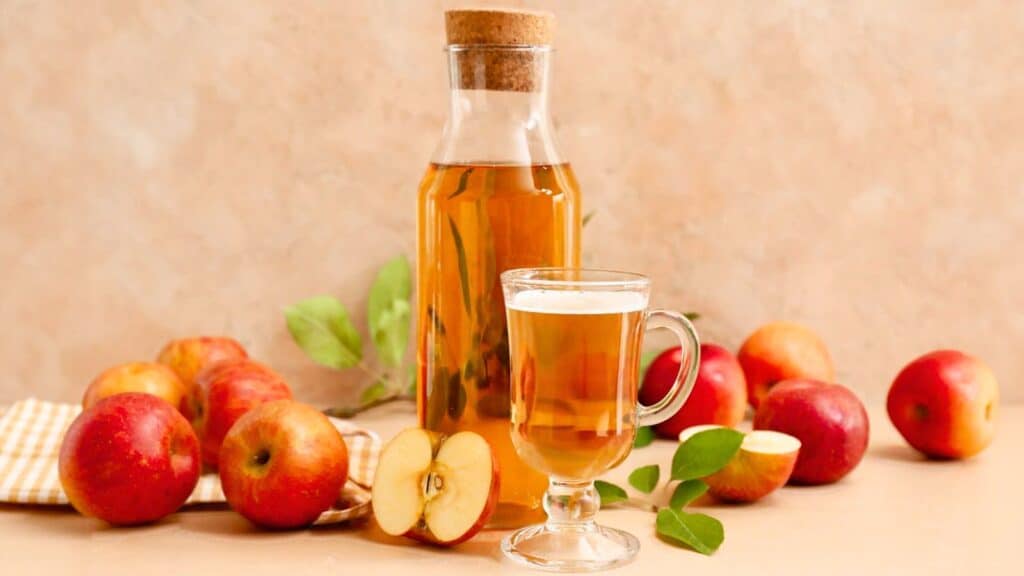
Cider from a local orchard may not be pasteurized, and heating it on the stovetop to at least 160 degrees Fahrenheit lowers the risk from bacteria such as E. coli. Unpasteurized juice must show a federal warning label about the risk to children, older adults and people with weakened immune systems. Juice treated to reduce harmful microorganisms does not need one.
Taste before you pour
More savory dishes suit a dry or off-dry cider, so check sweetness before a bottle goes into the pan. A spoonful from the bottle before cooking shows right away whether it will balance the dish. The test costs nothing, even with a bottle that says dry on the front.
Jennifer Allen is a retired professional chef and long-time writer. Her work appears in dozens of publications, including MSN, Yahoo, The Washington Post and The Seattle Times. These days, she’s busy in the kitchen developing recipes and traveling the world, and you can find all her best creations at Cook What You Love.