
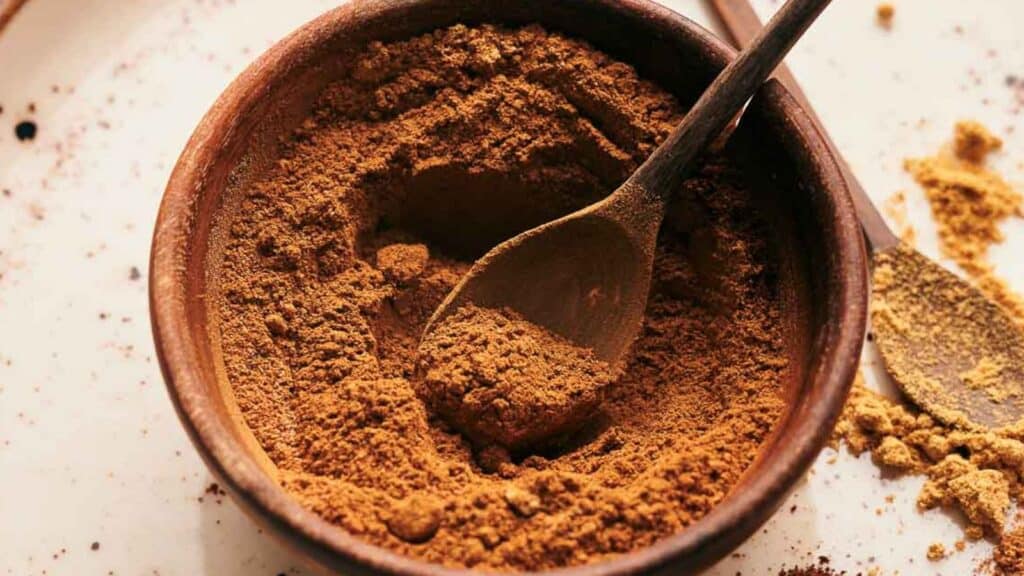
The jar of pumpkin pie spice was sold as a one-job shortcut, a way for bakers to skip buying a separate jar of every spice a pie called for. Today, pumpkin spice flavors everything from bagels to protein bars, far from any pie plate. Not bad for a pantry shortcut that reached store shelves by the early 1930s and still has no pumpkin in it.
Pumpkin pie was already a familiar dish in American kitchens long before anyone sold premixed spices. A landowner in the Dutch colony of New Netherland noted in 1655 that English colonists in New England liked pumpkins and used them in pies. Some of the earliest versions layered sliced pumpkin with sugar, spices and apple between two crusts.
By the time the 1796 cookbook “American Cookery” appeared, pumpkin pie had taken a form much like the one served today. That book, the first written by an American and published in America, included two recipes for what it called “pompkin” pudding, a custard-style filling baked in a pie crust and made with stewed and strained pumpkin, eggs, sugar and cream or milk, and sometimes molasses. The recipes called for ginger and allspice alongside mace or nutmeg, spices that were popular in the colonies at the time.
McCormick said it launched its blend in 1934, by which time canned pumpkin had become a grocery staple. The blend combines cinnamon, ginger, nutmeg and allspice. It also said the pumpkin spice latte later fueled the conversation around the flavor, which now appears in candles and other non-food products.
Premixed blends predate McCormick’s
Other blends were already on sale before McCormick’s launch, including a pumpkin pie spice promoted in an Indianapolis newspaper ad from October 1931. Another brand’s pumpkin spice was advertised in a second Indiana paper that November.
A major dictionary dates the first known use of pumpkin spice to 1930, four years before the McCormick launch. The same dictionary defines the mixture as usually cinnamon, nutmeg, ginger and cloves, often with allspice, while McCormick’s blend leaves out cloves, so the term pumpkin spice covers more than one recipe. The blend itself contains no pumpkin at all.
Grocery shelves now stock the flavor
Fall flavors now reach grocery shelves early, and this season’s pumpkin spice launches include bagels, English muffins, protein bars and donut-flavored pretzels. Some of those products are returning favorites, including a pumpkin spice bagel that had been off shelves for seven years. A market report said health-focused shoppers have fueled growth in organic, lower-sugar and milk-free versions of the flavor. Home bakers also use the flavor in recipes such as pumpkin spice scones with vanilla glaze, but there are endless other recipes.
A recent study of social media conversation from July 26 to Sept. 23, 2026 found more than 160,000 data points about pumpkin spice, compared with about 14,000 for caramel apple, a rival fall flavor. The same study said caramel apple drew substantial coverage but comparatively little grassroots discussion, with about 40% of its conversation coming from online news. Those counts measure online conversation, not sales.
The spices come from opposite sides of the world
The four spices in the McCormick blend began in Asia and the Americas. Cinnamon comes from the dried inner bark of Cinnamomum verum, a tree native to Sri Lanka, the Malabar Coast of India and Myanmar. It was once more valuable than gold and later became the most profitable spice for the Dutch East India Company; related species, such as Chinese cassia, are also cultivated for cinnamon spice.
Ginger is the underground stem of a plant that probably originated in Southeast Asia and was known in ancient India and China. It reached the Mediterranean by the first century and was well known in England by the 11th century.
Nutmeg’s record reaches back thousands of years, since archaeologists found its residue on 3,000-year-old pottery in Indonesia. Nutmeg grew only on Indonesia’s Banda Islands until trees were transplanted to the French colony of Mauritius in 1770.
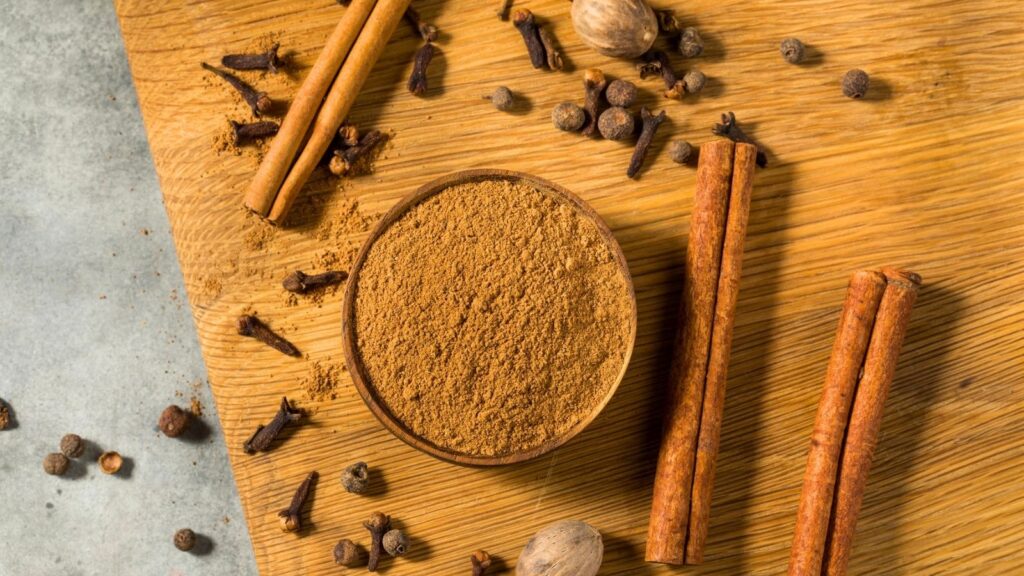
Allspice is the only one of the four with roots in the Americas, since the tree is native to southern Mexico through Central America and the Caribbean. Columbus reportedly found the berries in Jamaica and mistook them for peppercorns, and the word allspice was in use in English by 1621. The berries taste like a blend of cinnamon, cloves and nutmeg with a hint of black pepper.
Check the label for the spices inside
This season’s products show how loosely the term pumpkin spice is applied. One pumpkin spice protein bar lists cinnamon, pumpkin and cloves, while one bagel lists cinnamon and nutmeg. Shoppers who want a particular spice, or want to skip one, can check the ingredient list instead of relying on the words “pumpkin spice” on the front of the package.
Jennifer Allen is a retired professional chef and long-time writer. Her work appears in dozens of publications, including MSN, Yahoo, The Washington Post and The Seattle Times. These days, she’s busy developing recipes in the kitchen and traveling the world, and you can find all her best creations at Cook What You Love.