
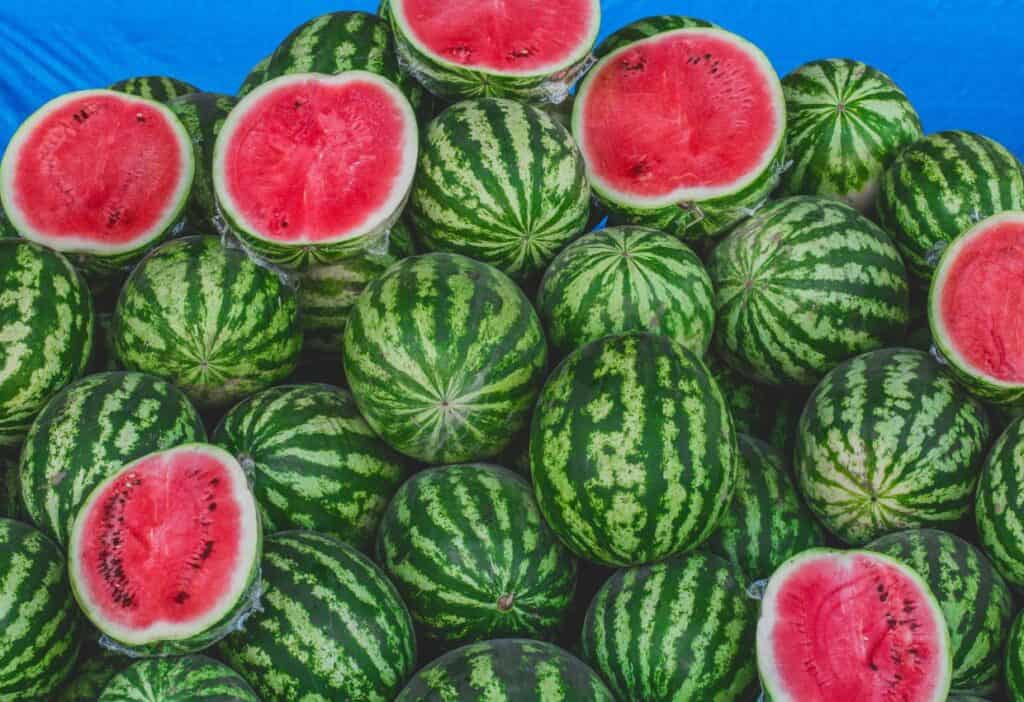
America goes mad for melon as National Watermelon Day brings juicy joy to the peak of summer across the country. One of the top three produce crops in the United States, watermelon commands attention far beyond picnic tables. On Aug. 3, communities kick off celebrations that stretch for days, turning the fruit into a symbol of hometown pride and summer fun.
This post may contain affiliate link(s). As an Amazon Associate, I earn from qualifying purchases. See Disclosures.
Creative reuse pushes watermelon beyond its role as a seasonal centerpiece. In kitchens focusing on waste reduction and resourcefulness, cooks transform scraps into smart additions that cut waste and extend flavor.
Inside America’s melon supply
Watermelon plays a major role in domestic agriculture and seasonal retail strategy. While it’s grown nationwide, most production comes from a handful of states, including Arizona, California, Delaware, Florida and Texas. U.S. farms supply the bulk of domestic consumption, and imports from Mexico and parts of Central America typically cover the remaining volume. Seedless types are growing in popularity, and because growers usually transplant rather than directly seed them, they demand closer attention. That added labor and complexity often affect grocery pricing.
America celebrates National Watermelon Day
When National Watermelon Day rolls around, Americans show up for watermelon-themed events that bring their communities together. North Carolina’s Winterville Watermelon Festival stretches over several days in late August. Although it doesn’t align exactly with the official holiday on Aug. 3, the event still captures the summer vibe. Families enjoy carnival rides, games, live performances and a watermelon-eating contest. Visitors also browse vendor booths and grab traditional fair food like turkey legs and funnel cakes, along with watermelon in every form.
In Nashville, the city’s Farmers Market hosts a Watermelon Fest later in August that focuses entirely on the fruit. Guests enjoy live music, local produce, watermelon-themed snacks and a kids zone with hands-on activities. It’s a seasonal favorite that celebrates peak harvest while offering a break from the heat.
Further north in Vincennes, Ind., Knox County marks its place in the watermelon industry with its own August festival. Local growers join food vendors, artists and entertainers for a weekend of music, pageantry and family fun. A parade winds through town, highlighting the region’s deep agricultural roots.
The wellness side
Watermelon’s nutritional appeal goes beyond its juicy sweetness. Rich in water and naturally low in fat, the fruit also delivers potassium and other key electrolytes that help restore balance after time in the sun or intense physical activity. Its mix of plant-based compounds includes lycopene, which researchers have studied for its potential to protect cells from sun-related stress. Its fiber content, while modest, supports digestion by encouraging regular movement through the gut. With antioxidants that help manage oxidative stress in the body, watermelon stands out as both a refreshing and functional food during peak summer.
Zero-waste watermelon trends
In sustainability circles, the entire fruit is getting a second look as cooks and chefs find inventive ways to reduce waste. Rinds, once discarded without a second thought, now appear in coleslaws, stir-fries and even chilled soups. Some preserve them through pickling or candying, while others blend them into smoothies for extra texture.
Seeds are roasted for snacks, turned into seed butter or used as garnish. Even the flesh gets new life in sorbets and blended drinks when it’s overripe or leftover. These full-use habits are gaining traction among composting advocates and zero-waste cooks who see watermelon as more than a summer treat.
Spot the right one
Finding a ripe, juicy watermelon at the grocery store comes down to a few key visual and physical cues. First, flip the melon over and check the spot where it rested on the ground as it grew. A pale cream or off-white patch signals ripeness, a white one means it still needs time and a dark yellow blotch may be past its prime.
If you’re looking at striped varieties, watch for a softening in both the dark and light green stripes. This shift often indicates the melon is ready to eat. For solid green types, a slight fade in the overall color can suggest ripeness. Lastly, lift a few melons and compare their weight. The heavier the watermelon feels for its size, the more water it holds, which usually means better texture and flavor.
Watermelon defines the season
As summer traditions evolve, one fruit continues to anchor picnics, cookouts and community tables with its refreshing bite and iconic status. Across fields in the U.S., watermelon stands out as both a crop with economic weight and a symbol of warm-weather nostalgia. With growing focus on health, sustainability and local food culture, National Watermelon Day offers more than seasonal cheer. It carves out a moment to gather, celebrate and taste what summer still gets right.
Zuzana Paar is the visionary behind five inspiring websites: Amazing Travel Life, Low Carb No Carb, Best Clean Eating, Tiny Batch Cooking and Sustainable Life Ideas. As a content creator, recipe developer, blogger and photographer, Zuzana shares her diverse skills through breathtaking travel adventures, healthy recipes and eco-friendly living tips. Her work inspires readers to live their best, healthiest and most sustainable lives.