
What do Gen Z and baby boomers have in common? A recent survey from the Food Industry Association finds 55% of consumers, regardless of age, cite comfort food as their top priority when cooking at home, while fast preparation time came in second. In a period marked by economic anxiety and uncertainty, Americans are turning to familiar dishes not just for sustenance, but for reassurance.
This post may contain affiliate link(s). As an Amazon Associate, I earn from qualifying purchases. See Disclosures.
The economics of playing it safe
The comfort food trend doesn’t exist in a vacuum. It’s tied directly to how people feel about their finances.
The FMI data, cited in IFT’s Food Technology Magazine, reveals 40% of Gen Z consumers say they don’t have the money to experiment with new foods. Among consumers overall, 1 in 4 reports the same constraint. When budgets are tight, culinary risk-taking is one of the first things to go.
A separate FMI survey from January 2026 found that nearly two-thirds of consumers remain very or extremely concerned about high food prices at grocery stores. That persistent anxiety influences every trip to the store and every decision about what to make for dinner.
This isn’t about a lack of interest in new flavors. It’s about the cost of failure. A dish that doesn’t get eaten is money wasted, and when food prices remain a top concern for nearly two-thirds of consumers, that waste stings more than it used to. The result is a retreat to the reliable: recipes that have worked before, ingredients that won’t sit unused in the fridge and meals that the whole household will actually eat.
What comfort food looks like in 2026
The category of comfort food has always been broad, but it’s evolving. Industry analysts describe the current moment as “neostalgia,” a blend of nostalgic favorites and modern updates. Think classic dishes with subtle twists, such as familiar casseroles with a hint of global spice or traditional soups made a little lighter.
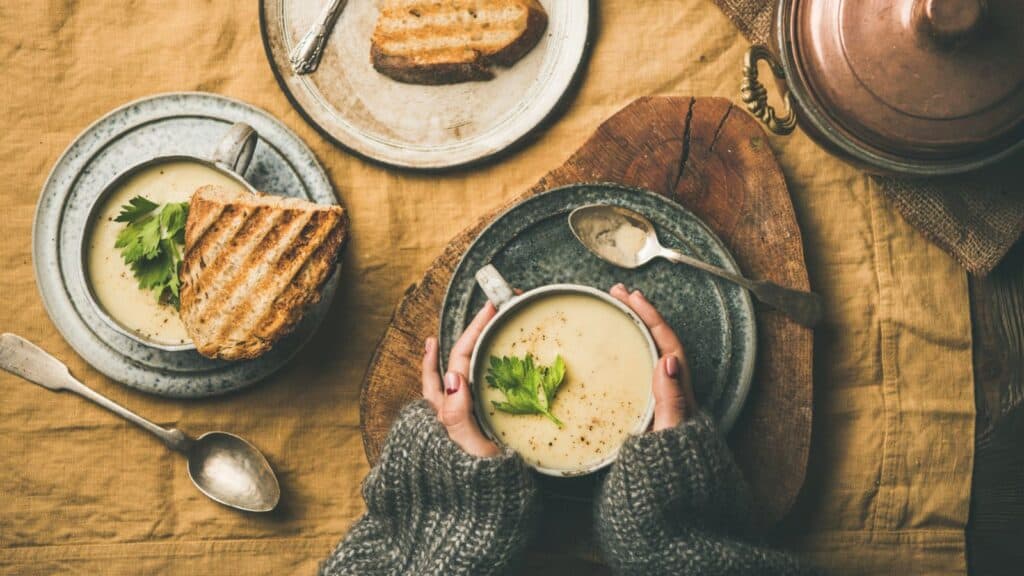
For most home cooks, comfort food still means exactly what it sounds like: the dishes that feel like home, such as creamy soups, baked pasta or hearty stews. Foods that fill the kitchen with good smells and fill bellies without requiring a recipe search.
A creamy wild rice soup loaded with mushrooms and vegetables, for example, checks every box. It’s warm, familiar and forgiving enough to make on a weeknight without stress. It also reheats well, which matters when households are eating in shifts rather than sitting down together.
Fast isn’t always first
It’s worth noting that speed came in second to comfort, not first. In a culture that often prioritizes efficiency above all else, that ranking is telling.
Consumers aren’t saying they want meals that take hours, but they’re emphasizing that they’re willing to spend a little more time if the payoff is a dish that actually satisfies. A 45-minute soup that delivers real comfort may be more appealing than a 15-minute meal that leaves everyone reaching for snacks an hour later.
This has implications for how home cooks approach weeknight dinners. Instead of optimizing purely for speed, the goal might shift toward meals that balance ease with emotional payoff. A slow cooker lentil soup that simmers all afternoon requires minimal hands-on time but delivers the kind of meal that makes a house feel like a home.
The generational divide that isn’t
One of the more surprising findings in the FMI data is the consistency across age groups. Comfort food isn’t just a boomer preference or a millennial nostalgia trip. It leads across every generation surveyed.
This challenges the assumption that younger consumers are always chasing the next food trend. Gen Z may be more adventurous on social media, but when it comes to what they actually cook and eat at home, they’re reaching for the same kinds of dishes as their parents and grandparents.
The reasons may differ. For older consumers, comfort food connects to memory and tradition, but for younger ones facing financial constraints, it may be more about practicality and predictability. But the outcome is the same: a shared preference for meals that feel safe, familiar and satisfying.
What this means for home cooks
The data points to a simple reality: this is not the year to pressure yourself into culinary experimentation. If the household gravitates toward the same five dinners, that’s not a failure of imagination. It’s a rational response to the current moment. Comfort food exists for a reason, and that reason is comfort.
For those looking to add variety without the risk, the path forward is incremental. Start with a dish that already works and make one small change, add a new spice to a familiar soup or try a different grain in a trusted casserole. Build on what’s reliable rather than starting from scratch.
A cheesy pasta bake with hidden vegetables, for instance, offers comfort with a nutritional upgrade. It looks and tastes like the classic version, but delivers more than just nostalgia. That kind of low-risk variation is where many home cooks are finding their footing right now.
The comfort of consensus
There’s something almost reassuring about the recent findings. Across generations, income levels and regions, the majority of Americans want the same thing at dinner: food that feels good. That doesn’t mean innovation is dead: it means innovation is being filtered through the lens of familiarity. The dishes that succeed in 2026 will be the ones that offer something new while still feeling familiar.
For home cooks, the permission is clear: make the soup, bake the casserole and reach for the recipes that have never let you down. In uncertain times, there’s wisdom in cooking what you know, and comfort in sharing it with the people you love.
Shruthi Baskaran-Makanju is a food and travel writer and a global food systems expert based in Seattle. She has lived in or traveled extensively to over 60 countries, and shares stories and recipes inspired by those travels on Urban Farmie.