
School lunches mirror changing policies, cultural influences and evolving expectations at home, revealing what matters to families and institutions alike. Viral food hacks, updated school guidelines and shifting routines influence what kids bring and eat. From Thermos containers to TikTok, the history of back-to-school food trends tracks how lunch habits have changed with each generation.
This post may contain affiliate link(s). As an Amazon Associate, I earn from qualifying purchases. See Disclosures.
School meals once followed top-down nutrition policies that dictated what filled lunch trays nationwide. Over time, ingredients and the reasoning behind them shifted from institutional to individual choices, now shaped by trend cycles just as much as health standards.
The lunchroom in the 1950s to 1970s
Lunchboxes from the 1950s through the 1970s reflected a mix of simplicity, affordability and federal influence. Peanut butter and jelly sandwiches were lunchroom mainstays decades before, thanks to their long shelf life and low cost. Bologna and cheese on white bread packed easily and delivered the salt and fat that kids craved. Milk was common too, typically served in glass bottles before schools transitioned to cartons by the 1970s.
Federal policy also shaped how schools served meals. Then-President Harry Truman signed the National School Lunch Act into law in 1946, which expanded access to subsidized lunches and turned cafeteria food into a public health initiative. By the 1950s and 1960s, schools served government-backed meals that often featured surplus ingredients. Canned vegetables, processed meats and powdered milk made regular appearances, reflecting postwar abundance and nutritional gaps of the time.
Microwave meals and juice boxes in the 1980s
Microwave ovens revolutionized school lunches in the 1980s as convenience changed how families prepared meals. Kids brought ready-to-eat foods that reflected home trends such as TV dinners and frozen meals. Heating leftovers or prepackaged meals became common as microwaves spread to teacher lounges and home kitchens.
Juice drinks like Capri Sun had become popular through clever packaging and TV ads that appealed to kids and parents. These shelf-stable drinks fit neatly in lunchboxes and need no refrigeration. Snack brands seized the moment, as Handi-Snacks and Lunchables offered preassembled options that combined novelty and zero prep. School lunch became faster and flashier, revealing an era of processed convenience.
Low-fat snacks and bottled drinks of the 1990s
By the 1990s, lunchboxes started to reflect America’s aim towards low-fat eating. Backed by federal health agencies, the 1990 Dietary Guidelines for Americans encouraged families to reduce fat and cholesterol in their diets, steering them toward baked snacks and away from fried or full-fat options. This shift sent granola bars, rice cakes and fat-free pudding cups into school cafeterias, each marketed as a healthier snack.
Meanwhile, bottled water changed how students hydrated. Aquafina launched in 1994 and Dasani followed in 1999, as schools cut back on soda due to its link to childhood obesity. These moves made bottled water a trendy, neutral beverage. Snack packs also got a makeover. Lunchables expanded into full lunch kits with make-your-own pizza and taco versions, giving kids more control and reinforcing the demand for customization.
Cleaner labels in the 2000s
In the early 2000s, schools updated their lunchroom policies in response to food allergies by introducing peanut-free tables or removing common allergens in meals. Food manufacturers offered nut-free snacks and allergy-conscious packaging that helped ease parental concerns. These efforts aligned with the Food Allergen Labeling and Consumer Protection Act of 2004, which required clear identification of major allergens on packaging, improving transparency for families navigating ingredient lists.
Organic brands also expanded into chain supermarkets, moving beyond natural food stores. Parents began packing lunches with fresh fruit juice, crackers and snacks that promised cleaner ingredients. At the same time, families swapped single-use bags for reusable containers as part of a broader push toward sustainability and embracing eco-friendly habits.
TikTok trends and lunchboxes since 2010
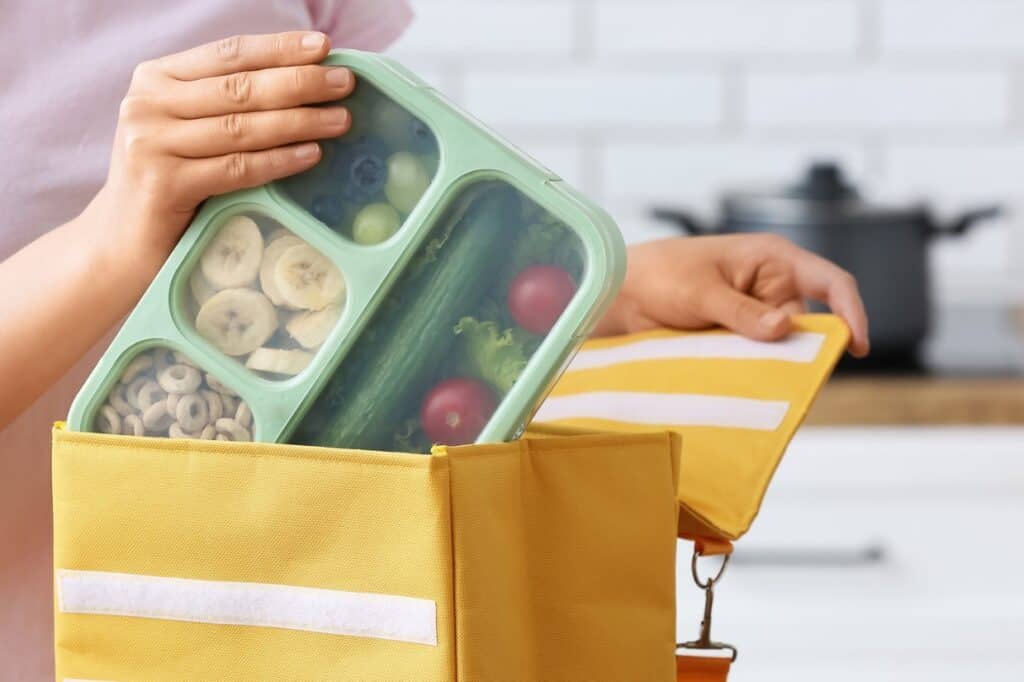
By the early 2010s, social media turned school lunches into visual statements. Parents and teens packed bento-style boxes filled with colorful fruit, sliced proteins and photographic snacks. These containers also made portioning easier and encouraged variety.
As kitchen tools like air fryers gained popularity, weekend meal prep became more strategic. Students started bringing protein boxes with items like hummus, eggs and cheese, copying grab-and-go lunches from cafes. TikTok, which surged after 2018, fueled trends such as girl dinner, where small bites replaced traditional meals. These ideas redefined packed lunches with new aesthetics.
Cafeterias gradually expanded traditional lunch menus, with some schools introducing global dishes like biryani and rice bowls alongside plant-based meals. These changes reflect shifting demographics and growing demand for more culturally diverse food options.
Beyond the lunch break
Every lunchbox tells a story about how families view health, convenience and care. From peanut butter sandwiches to bento boxes, school meals reveal the cultural and generational shifts shaping the American table. As nutrition guidelines evolve and social media accelerates food trends, school lunch has become less about routine and more about expressing identity and parenting.
Zuzana Paar is the visionary behind five inspiring websites: Amazing Travel Life, Low Carb No Carb, Best Clean Eating, Tiny Batch Cooking and Sustainable Life Idea. As a content creator, recipe developer, blogger and photographer, Zuzana shares her diverse skills through breathtaking travel adventures, healthy recipes and eco-friendly living tips. Her work inspires readers to live their best, healthiest and most sustainable lives.