
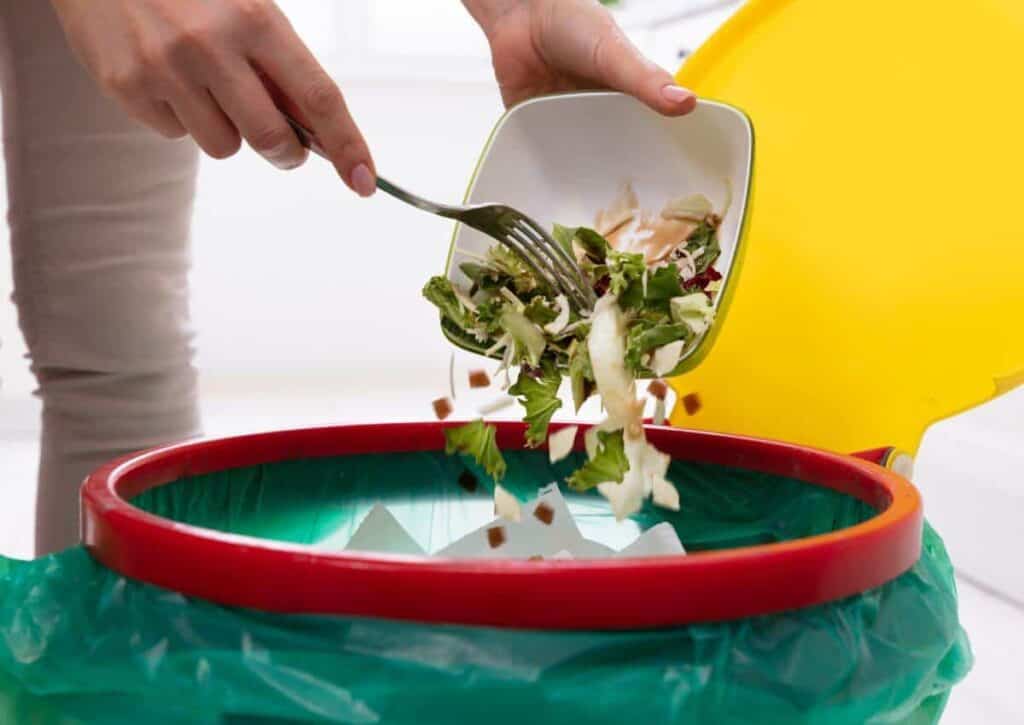
Despite food being constantly produced worldwide, around one-third of it never makes it from farm to fork. In the United States, the average household wastes hundreds of pounds of edible food yearly, with ingredients that could have been used with a little planning and creativity. In this changing landscape, zero-waste meals have become the gold standard for today’s home cooks.
This post may contain affiliate link(s). As an Amazon Associate, I earn from qualifying purchases. See Disclosures.
Home cooks are transforming their approach to food through better tools and habits. They’re planning meals with intention, repurposing ingredients creatively and making small changes that add up. Here are practical ways to reduce waste, save money and cook with more purpose.
Why it matters more than ever
Food waste is a global issue that stretches beyond home kitchens and affects every stage of the supply chain. As much as 40% of all food is lost or wasted between production and consumption, highlighting critical inefficiencies in how food is managed. Even with nearly one in three people worldwide experiencing food insecurity, the scale of this waste is staggering, as the land used annually to grow uneaten food is larger than China.
The U.S. discards more food than any other nation, at nearly 60 million tons every year. That’s almost 40% of the entire U.S. food supply, or about 325 pounds of waste per person annually. To put that into perspective, it’s like every American throwing out 975 average-sized apples, most of which end up in landfills rather than compost or recovery systems.
This broader reality plays out in homes every day, often without people realizing it. Once people start paying attention to what they throw away, patterns come into focus. Embracing zero-waste meals offers a concrete and empowering response that helps reduce household expenses, supports long-term sustainability and makes daily cooking more intentional.
Cook smarter with what you have
Zero-waste cooking begins with making the most of what’s already in the kitchen, like rethinking table scraps and rescuing ingredients before they spoil.
Rethink food scraps
What used to go straight to compost or trash now gets a second look. Home cooks are getting creative with scraps, turning them into flavorful stocks, sauces and add-ins for stir-fries and soups. For example, beet greens can be sautéed like spinach, while citrus peels can be infused into oils or vinegars.
This scrap-savvy approach maximizes ingredients and changes how we value food. It invites cooks to experiment with flavor, texture and presentation in sustainable and rewarding ways.
Plan with perishables in mind
One of the simplest zero-waste strategies is to build meals around ingredients about to spoil. That might mean prioritizing spinach before it wilts, or roasting soft tomatoes into a sauce.
Batch cooking supports this habit by using fragile produce in meals that freeze well or can last for days. Making a soup from aging ingredients or a grain bowl with leftover roasted veggies minimizes waste. It’s less about rigid meal prep and more about thoughtful improvisation.
Essentials for a low-waste kitchen
Some tools make zero-waste cooking more manageable and enjoyable. A countertop compost bin stores scraps for gardeners. Mason jars and stackable containers help keep leftovers visible, reducing the chance they get forgotten in the back of the fridge.
Reusable silicone bags are another game-changer, as they’re great for freezing herbs, marinating proteins or storing chopped produce. Even a simple, sharp knife encourages better use of ingredients, reducing the temptation to discard parts that could be cooked creatively.
For those looking to stock up, online shops like the Zero Waste Store offer a wide range of thoughtfully curated kitchen tools and storage solutions that support lower-impact lifestyles. As these tools become familiar, they start to influence how people plan, prep and store their food, reinforcing the sustainability of zero-waste habits.
Smart habits that stick
Zero-waste cooking thrives on consistency, and small organizational habits can make a big difference. A magnetic whiteboard or chalkboard on the fridge keeps track of items that need to be used soon, guiding day-to-day meals.
Another effective habit is the first-in, first-out rotation. By bringing older items to the front and using clear containers to improve visibility, cooks avoid waste. These simple systems, once in place, become second nature as they reduce the stress of last-minute meal choices.
Simple wins that build momentum
Zero-waste success isn’t measured in perfection, but in progress. Making fried rice from leftover takeout rice or turning old bananas into muffins feels satisfying and smart. Even small swaps, like using the last bit of yogurt in a marinade or salad dressing, build confidence in the kitchen.
These tiny victories create momentum. Over time, they shift habits from reactive to proactive, which makes cooking less wasteful and surprisingly fun.
A smarter way to cook and live
Zero-waste meals aren’t just about what ends up in the trash; they’re a reflection of how people shop, cook and care. As more home cooks embrace these mindful habits, they’re reshaping kitchens into spaces of creativity and stewardship. And in a world where every bite counts, that transformation represents not a moment, but a movement.
Mandy Applegate is the creator behind Splash of Taste and seven other high-profile food and travel blogs. She’s also a co-founder of Food Drink Life Inc., a unique and highly rewarding collaborative blogger project. Her articles appear frequently on major online news sites, and she always has her eyes open to spot the next big trend.