
Beach towns get a short window when the days move easily and the usual bottlenecks have not yet taken over. In the weeks before the summer crowds heighten, that period reveals a version of these locations where roads are clear, parking is open and reservations are still available. More travelers are timing trips for that gap, especially in destinations where seasonal demand reaches peak capacity.
This post may contain affiliate links that may earn us a commission. For more information, see our Disclosures.
About 41% of Americans say overtourism is a concern, indicating the strain when too many visitors arrive at once. That pattern plays out in beach towns each summer, and arriving earlier offers a look at how these places run on a normal day, before the high-season crowd takes over.
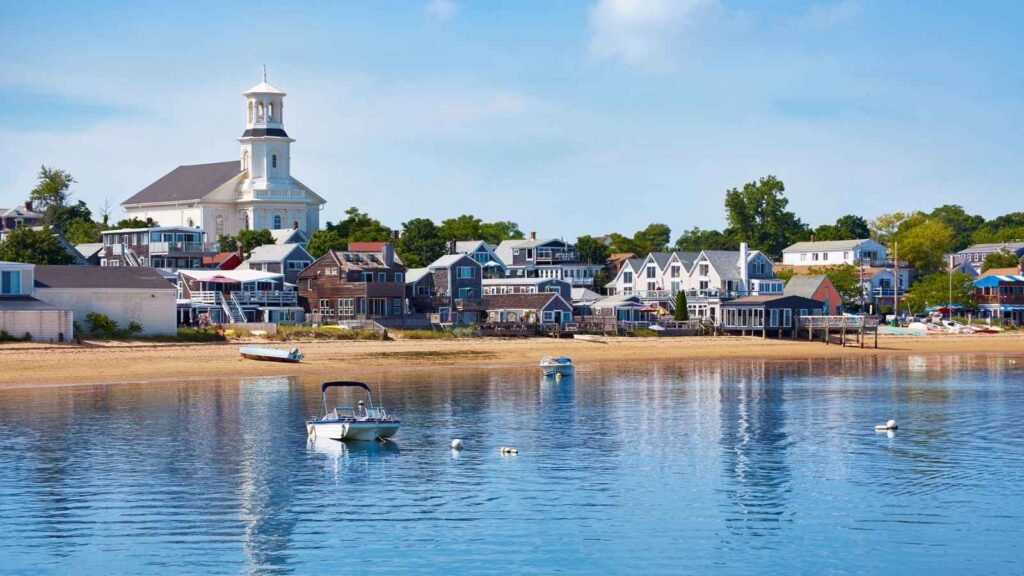
Cape Cod roads stay passable
About 66% of travelers say they are open to off-season trips, as this gives them more control over when they visit high-demand coastal areas where access can be limited. Cape Cod, for example, relies on two road crossings, the Sagamore and Bourne bridges, as the only vehicle entry points across the Cape Cod Canal. A nearby rail bridge does not carry car traffic, so all road travel funnels through these two routes.
Traffic builds quickly at the two crossings during peak summer periods, which can slow entry onto the Cape. In the weeks leading up to summer, delays at the bridges are shorter, and traffic flows more evenly along the main routes. Driving between towns follows a steady pace, allowing trips across the peninsula without extended slowdowns. Local roads near beaches also benefit from lighter traffic, as entry points rarely experience long lines, which allows visitors to reach parking areas without waiting.
Hatteras Island travel moves freely before summer
The Outer Banks spans about 100 miles and includes multiple routes in the northern towns, where US-158 runs alongside NC-12, giving drivers some flexibility. Farther south, Hatteras Island relies on NC-12 as the only road, with no alternate route for vehicles. This single corridor carries all traffic, which makes travel conditions more sensitive to visitor volume.
At peak travel times, higher demand can slow movement along the island. Ahead of summer, traffic moves at a more even pace, with fewer slowdowns along NC-12 and at entry points onto the island. Lower traffic levels also reduce the need to plan around congestion when moving between towns. Drives stay predictable, and reaching different parts of the island does not depend on timing windows.
Bar Harbor access remains flexible
Bar Harbor serves as the main entry point to Acadia National Park, so travel in and around town is subject to park rules. When visitor numbers are highest, Cadillac Summit Road operates under a vehicle reservation system from late May through late October. Outside of that period, the road is open without advance booking, so visitors can drive up without securing a time slot.
Conditions across the area are less restrictive before demand rises. Parking near popular sites becomes limited as visitation increases, which can slow movement between stops. In the lead-up to peak season, spaces are easier to find, and travel between Bar Harbor and park locations does not rely on scheduled entry times.
Gulf Shores lodging stays open
Gulf Shores depends heavily on condos and vacation rentals, which make up a large share of its accommodations. Summer booking fills available units quickly, limiting options for late reservations. Before the busiest travel period, a wider range of properties remains open across locations and price points, giving travelers more room to choose where to stay.
With fewer units taken, booking does not require long lead times. Travelers can select accommodations based on preference rather than availability, and plans can shift without running into tight inventory.
Destin rentals allow shorter stays
In Destin, many vacation rentals follow fixed weekly turnovers during peak summer weeks, with Saturday-to-Saturday bookings the standard set by local property managers. These rules limit options for shorter visits and require travelers to plan around fixed arrival and departure days.
Outside the busiest period, booking terms open up, with shorter occupancies easier to secure and arrival days not constrained to a single schedule. This gives travelers more control over trip length and timing, with fewer restrictions on when they arrive or how long they stay.
Carmel dining avoids reservation pressure
Carmel-by-the-Sea covers about one square mile, which makes it easy to get around on foot but also limits parking during busy periods. As visitor numbers rise in summer, streets become more crowded, and finding a spot can take time, especially on weekends.
The lighter traffic supports smoother movement between shops, galleries and the beach. Dining plans remain open, with more room for walk-ins and last-minute choices. Visitors can fit meals into their day without the scheduling pressure that builds once demand increases.
Timing-first planning expands across trips
Beach towns are shifting travel planning toward timing as much as destination. Visiting the coast before peak season can influence other trips, with more travelers choosing earlier windows when access is easier and schedules are available. That approach can carry through the rest of the year, making timing a regular part of planning travel decisions.
Jennifer Allen is a retired chef turned traveler, cookbook author and nationally syndicated journalist; she’s also a co-founder of Food Drink Life, where she shares expert travel tips, cruise insights and luxury destination guides. A recognized cruise expert with a deep passion for high-end experiences and off-the-beaten-path destinations, Jennifer explores the world with curiosity, depth and a storyteller’s perspective. Her articles are regularly featured on the Associated Press Wire, The Washington Post, Seattle Times, MSN and more.