
The best wines to sip all fall, according to people who drink a lot of them, are the bottles they return to year after year once the weather cools. The perfect autumn picks highlight structure, depth and food-pairing potential rather than name recognition. From fuller reds to textured whites, each bottle earns its spot by delivering flavor that holds up as fall meals grow heavier and the nights stretch longer.
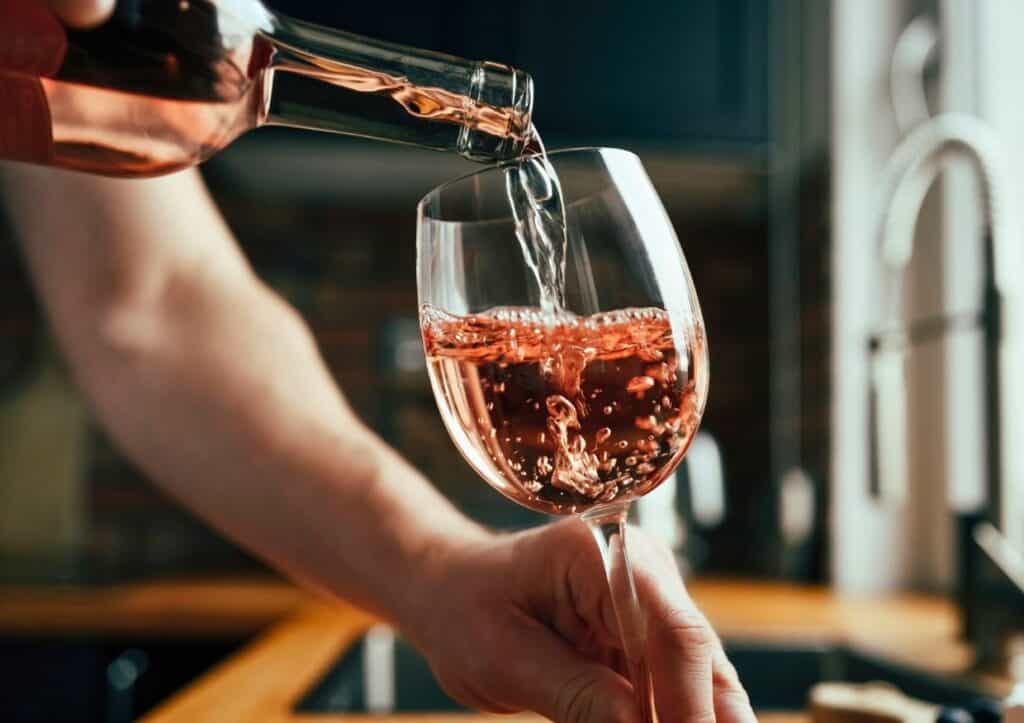
Affordable wines now offer more precision and personality than expected at their price point. Many come from winemakers who focus on quality over popularity, delivering bottles that surprise even seasoned drinkers with their balance and depth.
Why wine tastes better in fall
Cooler months naturally suit wines with structure and presence. As the air turns crisp, deeper reds and richer whites feel more fitting on the table and in the glass. Seasonal ingredients like roasted meats, squash and caramelized vegetables call for wines with weight and nuance. Wines aged in oak often provide that depth, layering in notes like vanilla, spice or toasted wood that mirror the season’s cooking. Altogether, the pairing of cool weather, warm food and expressive wines makes fall drinking feel especially grounded and intentional.
Reds made for cooler nights
Pinot noir remains a cool-weather classic. With a lighter body and earthy undertones, it pairs nicely with mushroom risotto or roast chicken. While style and depth vary by producer, vintage and wine region, Oregon wineries like Elk Cove and Burgundy houses such as Maison Louis Jadot offer reliable expressions.
Cabernet franc brings structure without being heavy. Its herbal, peppery character works well with grilled sausages, lentil stew or a cheese board by the fireplace. Though styles differ depending on climate and winemaking, the Loire Valley remains its historical home, while some Finger Lakes producers have quietly earned a growing following.
GSM blends, a mix of grenache, syrah and mourvedre, pack bold fruit and spice. Rhône Valley labels such as Guigal consistently deliver depth, while Paso Robles producers like Tablas Creek offer fresher, fruit-forward styles. Complexity and balance depend on blending choices and climate, but the category remains a solid pick for autumn drinks.
Fall-ready rosé wine picks
Tavel rosé from Southern France stands out for its structure and deeper hue, often leaning closer to a light red than the typical pink color of rosé. It is dry and holds up well to grilled meats or hearty picnic fare. Some producers emphasize fruit while others focus more on tannin and body, which adds a layer of variation depending on the bottle.
Pinot noir rosé is elegant with fresh acidity and a clean finish. It complements charcuterie, turkey or glazed ham with ease. Producers from Sonoma Coast and Oregon continue to craft refined versions, although these can differ based on pressing and fermentation methods.
Spanish garnacha rosado delivers ripe red fruit with a dry, refreshing finish. Bottles from Navarra or Campo de Borja often have vibrant color and are great with dishes like paella or roasted eggplant. Although old-vine fruit and traditional winemaking methods add complexity, the expression can range from crisp and light to more textured, depending on the vintage.
Budget-friendly wine favorites
Affordable wines can still offer impressive character and seasonal versatility. Bogle Old Vine Zinfandel offers ripe blackberry fruit and warm spice, often priced under $15. It’s a consistent choice for casual dinners, though some recent vintages prefer simpler styles.
Cline Viognier brings floral aromatics and tropical flavors that complement autumn dishes such as spiced chicken or roasted squash. While pricing can occasionally exceed $15 depending on the region, people continue to praise its value.
Louis Jadot Beaujolais-Villages delivers bright fruit and a smooth finish, making it a favorite for weekday meals or holiday gatherings. It’s an approachable, lighter-bodied red that offers broad appeal, though it’s not meant for aging or complexity.
Pine Ridge’s Chenin Blanc + Viognier balances freshness and fragrance with wide availability. Typically under $15, it’s a reliable option for a white wine with lift and texture, though sweetness levels can vary slightly with age.
Wine service tips for fall
Cooler months call for a more thoughtful approach to serving wine, especially reds. Temperature plays a key role in how flavor and texture come through in the glass. Light-bodied reds such as pinot noir benefit from a slight chill around 55 degrees Fahrenheit, while medium-bodied styles like Merlot open up best when they’re closer to 60 degrees Fahrenheit. Full-bodied wines, including cabernet sauvignon, reveal their complexity at around 65 degrees Fahrenheit. Going too warm can exaggerate alcohol, while overly cold pours can mute aroma and flavor.
Glassware also makes a difference. A wide bowl helps full-bodied reds breathe, giving the wine more surface area to interact with air. Lighter reds are better in narrower bowls, which help focus their more delicate aromas. Clean glass is essential, as any residue or detergent can interfere with taste. Taking the time to match glass shape and serving temperature to the wine style enhances the experience, especially when cooler weather encourages slower pours and longer meals.
Pour with purpose this season
Fall drinking brings together mood, texture and seasonal depth in a way that goes beyond simple pairing. The wines that resonate during these cooler months offer not just body and structure but a connection to the moment. With selections that suit casual meals and festive occasions, the ritual of choosing the right bottle becomes part of what makes autumn gatherings feel intentional. Each pour reinforces the rhythm of the season, adding clarity and balance to the table without needing anything more than what is already in the glass.
Jennifer Allen is a retired chef turned traveler, cookbook author and nationally syndicated journalist; she’s also a co-founder of Food Drink Life, where she shares expert travel tips, cruise insights and luxury destination guides. A recognized cruise expert with a deep passion for high-end experiences and off-the-beaten-path destinations, Jennifer explores the world with curiosity, depth and a storyteller’s perspective. Her articles are regularly featured on the Associated Press Wire, The Washington Post, Seattle Times, MSN and more.