
Adding brown butter has become a popular cookie technique among home bakers, and the batches that come out often look nothing like the photos. Many recipes explain the flavor payoff but leave out that browning butter also changes how the dough behaves in the oven. That missing information is why most cookies fail, and the science behind it is exactly what many recipes skip.
Home baking has grown steadily over the past several years, and with it has come a wave of technique-driven content promising better results with small adjustments. Brown butter has been among the most widely shared of those adjustments, with recent testing documenting its effects on cookie texture and structure as recently as 2026. The advice is consistent: brown the butter, add it to the dough and call it an upgrade. What that advice leaves out is the chemistry, and the chemistry changes more than the flavor.
What’s actually happening in the pan
The dough’s structural change is what catches most bakers off guard. Browning butter is a process, not a single event. Once most of the water has cooked off and the butter gets hot enough for the milk solids to brown, the Maillard reaction generates a range of new aroma compounds, including pyrazines and furans, that contribute the toasted, nutty and caramel-like notes brown butter is known for. In the process, roughly 15 to 20% of the butter’s original water content cooks away.
Losing that water changes the dough’s moisture balance, which can alter spread and texture. Temperature matters too: adding warm or hot brown butter to a dough can begin melting the sugar and fat before baking even starts, which affects spread independently of the hydration change. Replacing the evaporated liquid and letting the browned butter cool fully before incorporating it addresses both issues.
What most recipes don’t tell you
Substituting brown butter into most recipes requires restoring the water that cooked off. Swapping it in without that adjustment changes the dough’s hydration, which is why a first attempt often produces cookies that look nothing like the photos.
The most reliable method is to brown the amount of butter the recipe calls for, then add back roughly 1 tablespoon of water per half cup of starting butter to restore the original hydration. Alternatively, bakers can start with about 25% more butter than the recipe calls for, brown the full quantity and measure the cooled yield, using that recovered amount in place of the original specified weight.
Butter quality matters here, too. Higher-butterfat butters typically contain less water, which changes how they behave during browning and baking, and the milk-solid composition affects how much flavor develops. European-style butters typically run around 82% butterfat versus roughly 80% for standard American butter, though both figures represent typical ranges rather than fixed specs. Challenge Dairy’s European Style Butter, churned slower and longer in that tradition, fits that profile and is worth reaching for in butter-forward recipes where browning is the point.
Some recipes deliberately call for standard American butter and instruct bakers to add water back to compensate for what evaporated. The practice only underscores how much water content affects the final texture.
The cookies that benefit most
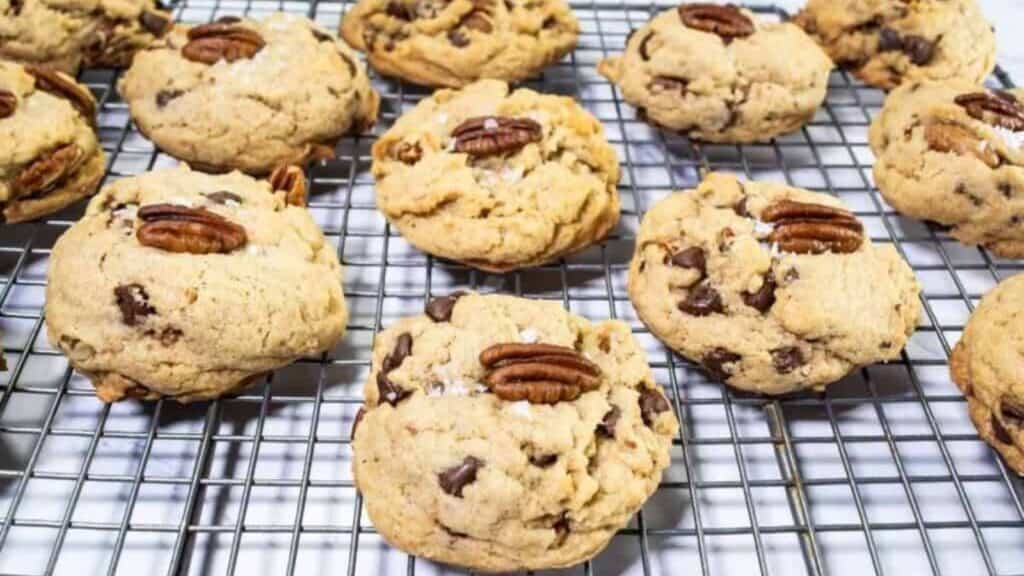
How much a cookie changes with brown butter depends largely on how butter-forward the recipe is. Chocolate chip cookies contain enough butter for browning to make a noticeable difference, though the exact outcome depends on the recipe’s sugar, flour, egg and leavening ratios. Cookies generally come out denser, with crisper edges and a caramel-forward depth that regular butter cannot deliver.
The classic shortbread ratio of one part sugar to two parts butter to three parts flour, a reference point rather than a universal rule, makes shortbread one of the most butter-dependent cookies in any baker’s repertoire. The high butter proportion means the Maillard transformation hits the dough harder and shows up in every bite. Brown butter shortbread develops a deeper, amber-toned crumb with a more defined snap and a nutty flavor up front. Starting with a higher-butterfat butter produces the most noticeable improvement in flavor depth here, given how much of the cookie’s character comes directly from the butter itself.
Salted caramel brown butter snickerdoodle cookies have become a well-established application, and the pairing makes sense. The warm cinnamon-sugar coating already occupies the same toffee-caramel register as brown butter, and a touch of salt and caramel deepens that profile even further. The flavor combination is deliberate, and the cookies show it.
Oatmeal cookies are also a natural fit. Brown sugar, rolled oats and warm spices already pair naturally with the toasted flavor brown butter brings. The combination amplifies what is already there without introducing something foreign.
1 step, measurable difference
Beurre noisette has long been part of French cooking and pastry, incorporated into preparations like financiers, madeleines and classic sauces. Home baking has reached the same appreciation for brown butter, but through a different path: trial and error, recipe saves and batches that came out flat or dense with no clear explanation why.
Many baking instructions never explain what browning actually does to the dough, leaving home bakers to troubleshoot by feel. Bakers who understand the mechanism are better equipped to make deliberate choices about which cookies to apply it to, how to adjust for water loss and when the extra step is genuinely worth it. Understanding the science makes it a tool, not a guess.
Jennifer Allen is a retired professional chef and long-time writer. Her work appears in dozens of publications, including MSN, Yahoo, The Washington Post and The Seattle Times. These days, she’s busy in the kitchen developing recipes and traveling the world, and you can find all her best creations at Cook What You Love.