
Cider is fueling the low-ABV movement across America, with the market projected to grow from $109.8 billion in 2025 to $137.6 billion by 2035. Low-alcohol options, typically under 4% alcohol content, attract drinkers who want to moderate their intake while still enjoying a full drinking experience. As this demand for light beverages with carefully crafted flavors grows, cider truly stands out among the rest in the category.
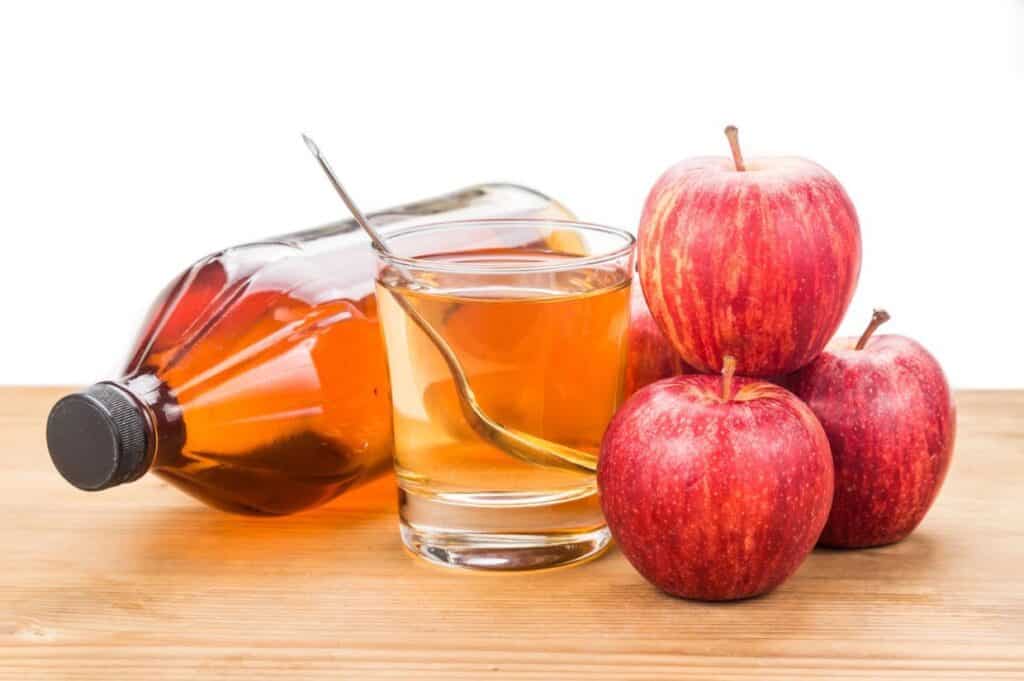
Established cider makers are finding new ways to appeal to selective palates by introducing flavor profiles that go beyond traditional apple bases. Limited-edition batches tied to harvest cycles are also gaining traction, offering drinkers a direct connection to source orchards.
Low-ABV drinks are on the rise
Cider finds a wider audience as more drinkers turn to lower-ABV, or alcohol by volume content, and fruit-based options. Younger consumers, especially millennials and Gen Z, prefer its lighter profile and seasonal flavors ranging from berry and citrus to tropical blends over traditional drinks.
Gluten-free varieties provide alternatives for people with dietary restrictions. While flavored ciders dominate in the United States and Australia, France and the United Kingdom keep a strong tradition of classic heritage styles.
Producers push flavor-led expansion
In 2025, flavored ciders account for around 64% of the market, with unflavored varieties making up the remaining 36%. As major producers focus on quality, many use a range of fruits and rely on natural fermentation to produce fuller flavors.
Global brands like Strongbow, Stella Artois Cidre and Magners lead sales while expanding into Asia Pacific and Latin America through targeted launches and locally tailored products. Brewing innovation and a rising interest in fruit-based drinks are sustaining cider’s steady market growth.
Expanding flavor and format options
Dry ciders are drawing attention from drinkers who want to avoid added sugar and artificial ingredients. This trend is influencing producers to experiment with infusions like elderflower and ginger, resulting in herbal, floral or lightly spiced blends.
At the same time, seasonal ciders made with local apples are gaining attention for their freshness and regional character. Some producers are introducing sessionable options with 2% to 3% ABV for lighter drinking.
Lower sugar content has also become a key selling point as cider enters the functional beverage space. Grocery stores and health-focused retailers are stocking more cider options with little to no sugar, appealing to more health-conscious consumers.
Creative blends pull fans from beer
While beer has long dominated casual drinking, cider is becoming a flavorful alternative. Michelle Price of Honest and Truly Travels explains, “I have never liked beer. When cider started to become a thing, I realized it was a viable alternative, and I started drinking it in place of beer. The craft ciders are so creative and taste amazing, from the different fruits they use to the seasonal flavors that places, like Cold Hollow Cider in Vermont, use to create varieties like Grateful Sled.”
Price’s experience reflects a wider shift toward low-alcohol drinks that still deliver on taste and variety. With craft producers experimenting with ingredients and regional twists, cider gives beer-averse drinkers a reason to join in social settings without sacrificing flavor or balance.
“I search out small cideries whenever I travel, and I love that I’m finding more and more of them widely available when I’m out with friends, too. Best of all? I’ve never had a hangover from drinking cider, and I’m convinced that’s partly because it’s lower ABV,” Price says.
The new drinking experience
Cider is separating itself from beer and wine with lighter alcohol content and a gluten-free appeal. It works in casual settings but still carries enough depth to feel intentional. These qualities make it a flexible option for those who want balance without sacrificing flavor.
Its food-friendly nature makes it ideal for dishes that might clash with beer or overpower wine. Bartenders use cider in low-alcohol cocktails, like mimosas and herbal spritzes, while lounge and alcohol-free bar menus incorporate it in lighter options.
Low-ABV options keep growing
Cider’s role in the low-ABV category keeps expanding as drinking habits shift toward moderation and variety. Brands are introducing new styles and formats for various occasions. From bar menus to backyard coolers, its presence is becoming unmistakable. With its versatility and wide appeal, cider is securing a lasting place in modern drinking culture.
Jennifer Allen is a retired professional chef and long-time writer. Her work appears in dozens of publications, including MSN, Yahoo, The Washington Post and The Seattle Times. These days, she’s busy in the kitchen developing recipes and traveling the world, and you can find all her best creations at Cook What You Love.