
I don’t think cooking like our grandmothers means going backwards in time. For me, it’s about remembering the habits that made everyday meals feel doable without overspending our food budget or feeling overwhelmed in the kitchen. Those meals weren’t built around trends, complicated ingredients or picky palates; they were practical, filling and meant to bring everyone to the table at the end of the day, and they still work today.
This post may contain affiliate link(s). As an Amazon Associate, I earn from qualifying purchases. See Disclosures.
Lately, I’ve noticed how easy it is to be convinced that a string of shortcuts that don’t actually make my life easier is the answer we’re all looking for. Delivery, takeout, convenience foods and endless new recipes can make cooking dinner look stressful. When I start feeling this way, I know it’s time to take a break and think about how my grandmother did it all.
Looking back
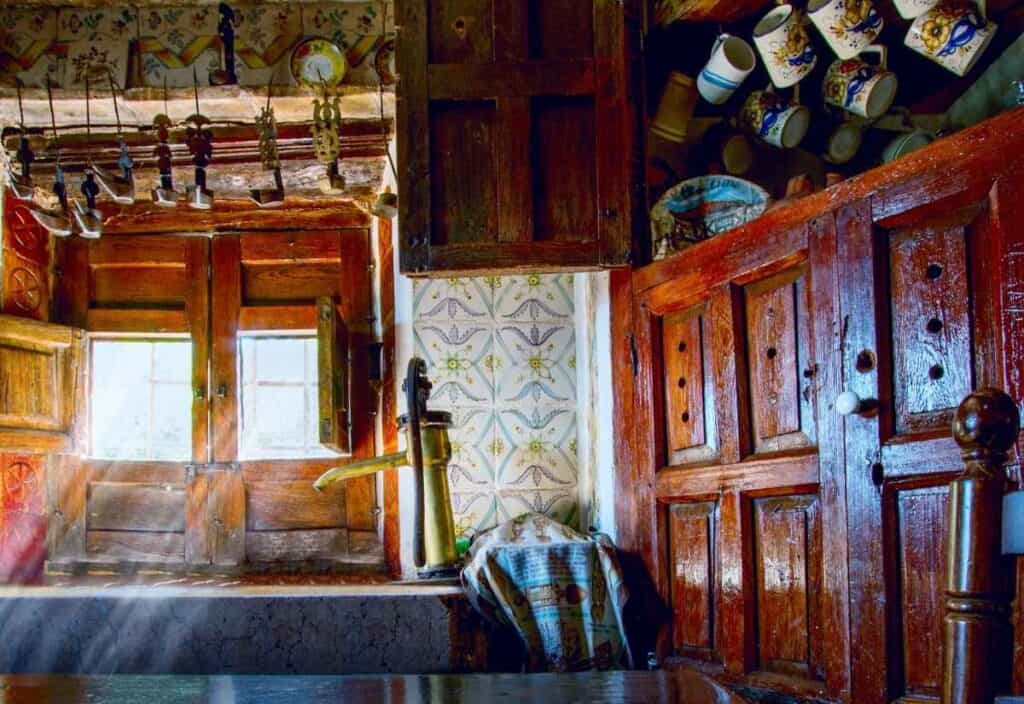
While my grandmother didn’t hold down a full-time job, she did live in a cabin in Alaska in the ‘40s with no power and three kids. And then later moved to a dairy farm and ran that, while raising kids. And when I think about that, I realize she didn’t have all the fancy shortcuts we have today. She just knew the basics; good food didn’t have to be fancy, it just had to work.
There’s also something grounding about slowing down in the kitchen. Our grandmothers cooked with what they had, reused leftovers and relied on simple techniques they trusted instead of trendy foods or techniques. When I lean into that style of cooking, meals feel more intentional and less like a race to get something on the table.
Use what you have
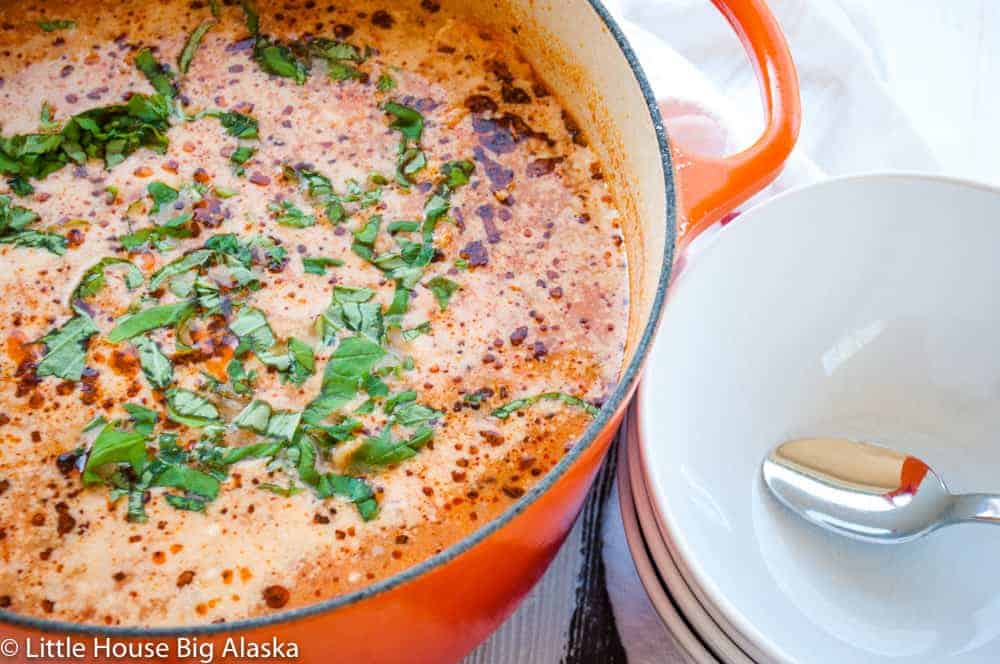
Shopping at my house first is a great first step in making meals more manageable. Finding items I tucked into the pantry for some day makes my day. That curry sauce in a jar that I didn’t know what to do with at the time makes a homemade dinner a little easier to manage. Those lasagna noodles that keep staring me down in the pantry become lasagna soup, whether or not I have the ricotta for the topping.
No one in the ‘50s ran to the store because they didn’t have an exact ingredient for the perfect presentation; they put it on the list and made do with what they already had. Since embracing this philosophy, I’ve saved time and money and eaten more of the food I already had on hand. Is it perfect like take-out? Nope, but it filled our bellies and didn’t cost anything more than what I’d already spent.
Loving leftovers
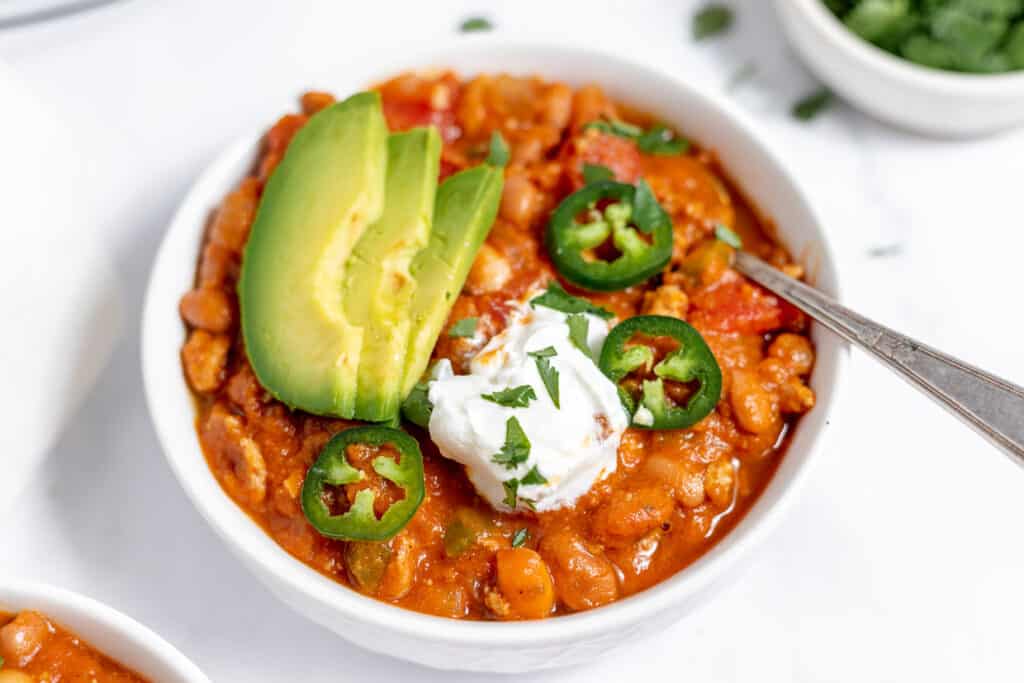
This one is near and dear to my heart: leftovers. Love them or hate them, they’re already made so why not eat them? Can’t stand to have the same thing twice? Remake them into something different. Chili can top nachos, be rolled into burritos or stuffed into tacos, while leftover roasted vegetables make delicious pizza toppings or a fancy salad. Personally, we eat leftovers almost every single day for lunch. It’s cheap and already cooked, which is win-win for us.
Simple techniques
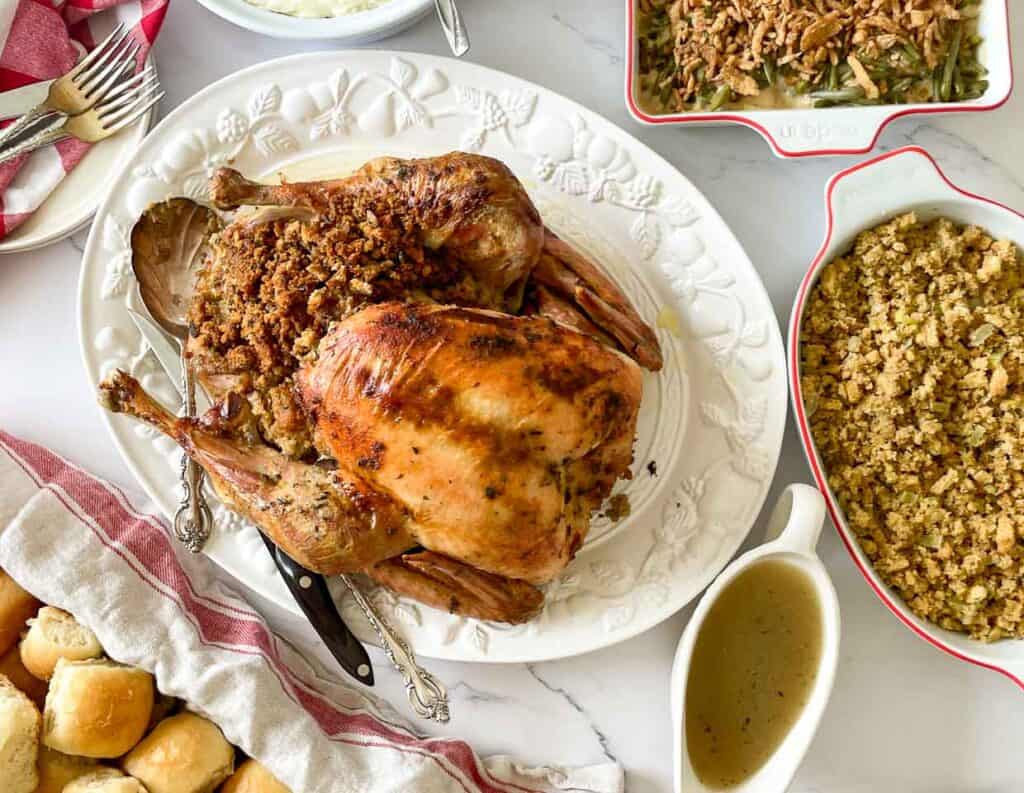
Simple prep was also the name of the game. Roasting was popular back in the day, and it’s still popular today because it works. Where do you think roasting chickens and turkeys came from? It’s an easy way to make a lot of food that doesn’t require too much hands-on time. Prep that roasted turkey and roast it in the oven, and you’ve got dinner for today and the next week if you play your cards right.
And the same is true with braising. But braising takes the genius to the next level because it takes a tough, cheap cut of meat, cooks it with liquid for a long period of time and voila, you’ve got tender, succulent meat. And again, probably leftovers.
Don’t forget your fancy tools
Small kitchen appliances might not seem like fancy tools to you, but our grandmothers or great-grandmothers would have been so impressed with them. A pot you can roast or braise in? Genius. A tiny little stove that makes crispy roasted potatoes without heating up the kitchen? A true blessing. A machine that kneads and bakes bread?
If you already have these tools, then you might as well use them. Just don’t let them overwhelm you. Try new recipes, techniques and tricks when the timing doesn’t really matter too much. That way, if your tools work a little differently than the ones a certain recipe was created with, you’re still ok, no one will starve.
Bringing it all together
Two of the biggest reasons I keep coming back to old-fashioned cooking are how much money it saves and how relaxed I can be. I turn leftovers into soups, casseroles and next-day meals instead of throwing them away or letting them rot. Working this way stretches my grocery budget further than any coupon ever could.
For me, cooking like our grandmothers isn’t about nostalgia as much as it is about practicality. It’s about making food that fits real life, saves money and gives me skills I can keep using no matter what. Sometimes the best way forward is to bring a little bit of the past into how we cook today.
Laura Sampson of Little House Big Alaska is on a mission to teach modern family-oriented home cooks how to make old-fashioned foods new again. She shares her passion for home cooking, backyard gardening and homesteading on her website and blog.