
Food obsession doesn’t usually start in our kitchens; it starts at restaurants, on screens, at country fairs and through repetition of the theme. Then suddenly, the new hot obsession shows up everywhere at once. When enough people are making, ordering or posting it, the obsession is about to take off.
This post may contain affiliate link(s). As an Amazon Associate, I earn from qualifying purchases. See Disclosures.
What keeps these foods popular for a while is novelty. They feel new, playful or like a shortcut to being part of the moment. But novelty has a shelf life. Once a food becomes unavoidable, copied too many times or widely available in the grocery store or online, it loses what made it feel special, and people, being people, find the next big thing.
When trendiness fades
Dalgona coffee was everywhere during lockdown. Whipped, glossy and dramatic, it felt like a small project people could control during such a strange time. Once life came back, the effort no longer matched the payoff, and the trend faded almost overnight.
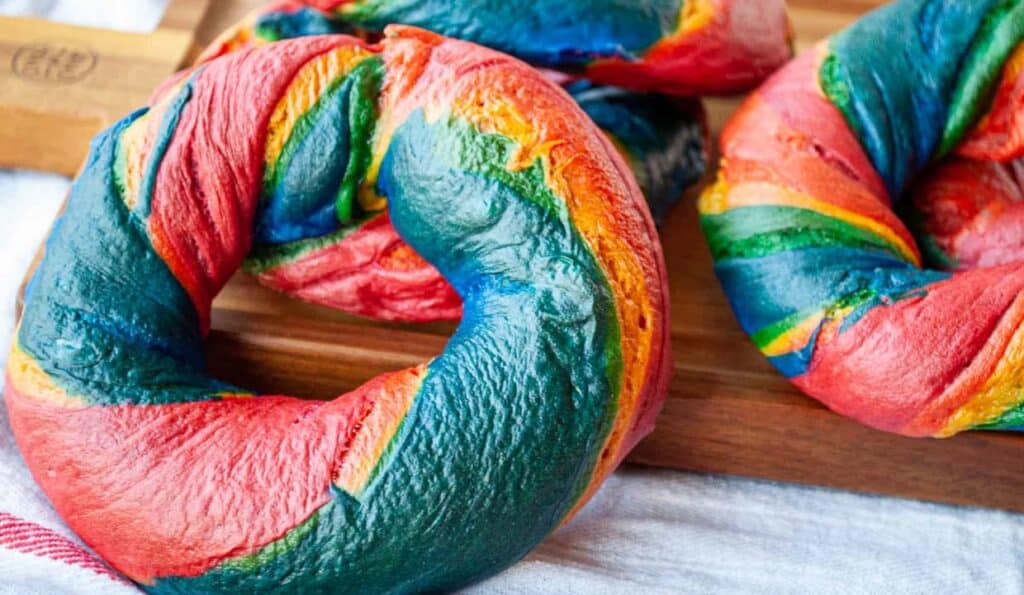
Rainbow bagels became so popular they even appeared on the “Great British Bake Off.” They were eye-catching and fun, but their appeal was mostly visual. Once the eye-catching novelty wore off, most people went back to the bagels they actually wanted to eat regularly.
Macarons have had quite a long moment as the ultimate fancy dessert. They were seen as a test of skill and elegance, especially in baking shows and bakeries. Over time, they became familiar rather than exciting, and their popularity is currently sunsetting.
Before macarons, there were cupcakes, and they dominated bakeries, TV shows and parties. For a while, everything was about frosting swirls and specialty shops. Eventually, cupcakes became just one dessert option instead of the main event.
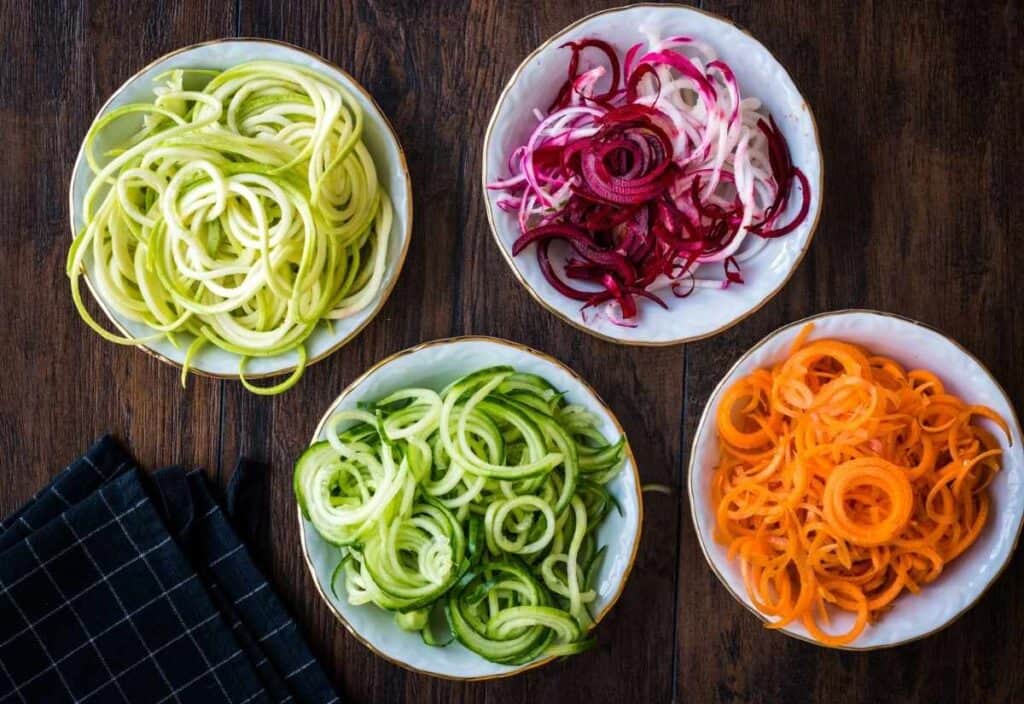
Zoodles were everywhere during the low-carb boom, the ultimate noodle replacement. They were positioned as a pasta substitute rather than just another vegetable. Once that framing lost steam, zoodles stuck around only for people who genuinely enjoyed them, not because they were trending. And shockingly few people liked them to keep the trend moving forward. One caveat: January is a popular month for zoodles, when everyone is low-carb crazy once again.
“Zoodles were everywhere when I first started eating low carb, and they honestly changed the game for me. I still make them regularly, but I wish their popularity had stuck around because they’re such an easy, versatile base.”
— Jessica Haggard, Primal Edge Health
What’s hot right now
Dirty sodas are having a big moment, especially on social media. They’re customizable, nostalgic and feel like a treat without being complicated. Whether they last will depend on whether people keep making them once the novelty fades. These were also popular before the advent of social media, in the early 2000s, so it may be a cyclical anomaly.
Hot honey is still riding a strong wave. It works because it’s simple to use and fits into existing meals instead of replacing them. Got a recipe that uses honey? Replace it with hot honey for a trendy flair. Drizzles and condiments tend to hang on longer than full recipes, so we may be looking at a long-term winner here.
Food trends come and go so quickly
Food trends move faster than they used to. Social media compresses years of discovery in restaurants and magazines into months and sometimes weeks.
Remember when TikTok food content creator, Logan, who goes by the username @logagm, sold us all on “sometimes you just need to eat a cucumber,” and no one could find English cucumbers for weeks, if not months? No one was anticipating that a simple cucumber would be the next big thing. A food can go from new to overdone before most people even decide if they like it. Or have a chance to try it because the push to have the trendy item far outweighs the ability to get it.
Some food trends actually stick around
Entire businesses have been built around food trends, and when those trends cool off, many of those businesses struggle to survive. When a concept depends more on hype than habit, it can fade as quickly as it appeared.
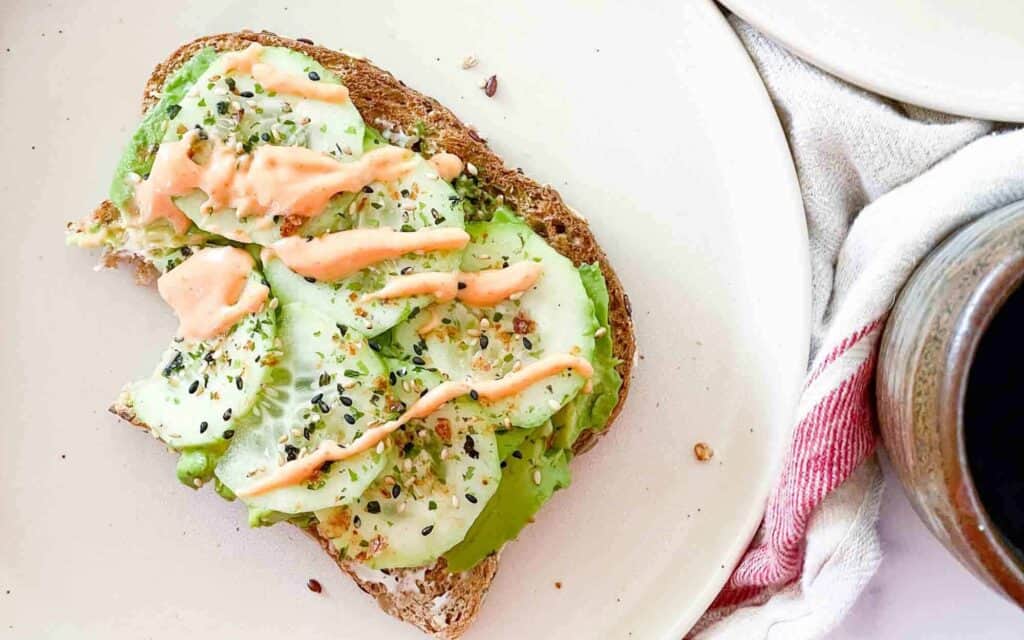
Some foods survive the trend cycle because they fit into real life easily. Avocado toast is a good example. It’s flexible, quick and works for breakfast, lunch or dinner. It can be plain or dressed up, and it doesn’t require special tools or effort. And it tastes great.
In the end
In the end, food trends tell us as much about how we live as what we eat. The foods that burn out fastest are often tied to a moment, a mood or a platform rather than real eating habits. Once the novelty wears off, people move on without much ceremony. That doesn’t mean those foods were bad; it just means they served their moment and exited the spotlight.
The foods that stick around usually do so quietly. They fit into everyday life without demanding attention or explanation. They work across meals, budgets, and skill levels. They don’t require a camera, a hashtag, or a special trip to the store to feel worthwhile.
Laura Sampson of Little House Big Alaska is on a mission to teach modern family-oriented home cooks how to make old-fashioned foods new again. She shares her passion for home cooking, backyard gardening and homesteading on her website and blog.