
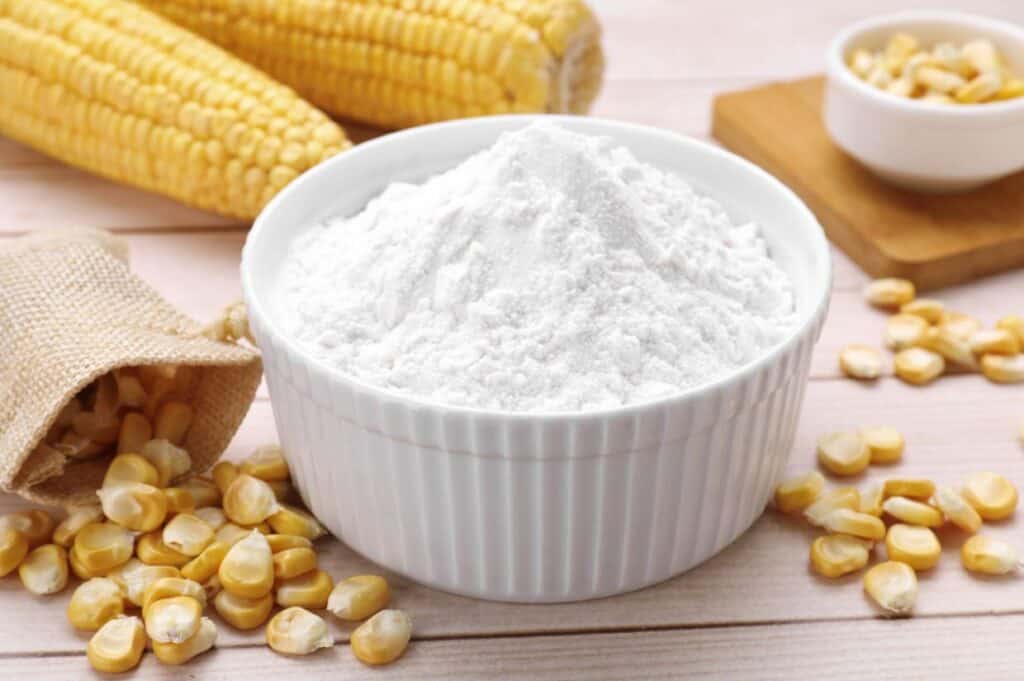
Ever reach for the cornstarch only to realize the box is empty right when dinner’s on the stove? Whether you’re thickening a soup, gravy or sauce, running out doesn’t have to derail the whole plan. There are plenty of easy substitutes for cornstarch you probably already have in your pantry.
This post may contain affiliate link(s). As an Amazon Associate, I earn from qualifying purchases. See Disclosures.
From flour and arrowroot to tapioca and even a few surprise options, cornstarch substitutes can help you out in many ways. Some work best for sauces, others shine in baking and a few are great when you need a quick fix. Let’s break down what to use, when to use it and how to make each substitute work in the dish you’re making.
Why you need cornstarch
Cornstarch serves a few purposes in the kitchen. Here are some reasons why you need it:
- Cornstarch thickens soups, stews, gravies and stir-fries. It also helps thicken fruit pie fillings.
- It is used to create crispy baked or fried chicken, fish and vegetables.
- Cornstarch helps bind ingredients in breading and marinades.
- When used along with flour, it softens the proteins, creating a more tender baked good. It creates a tender and delicate cookie that doesn’t fall apart.
- Cornstarch mimics gluten’s binding properties in gluten-free recipes.
- It prevents cookies from spreading too much, which makes them thicker and chewier.
- Cornstarch adds stability to frostings, icings and glazes.
Common substitutes for cornstarch
This section breaks down the most common substitutes for cornstarch and explains how each one works. I’ll cover when to use them, what they’re best suited for and a few helpful tips to keep the results as close to the original as possible. The goal is to help you choose the right substitute with confidence, no matter what you’re cooking.
All-purpose flour
Flour is an ingredient that most people have on hand, which makes it an easy substitute for cornstarch. It works best in soups, gravies and sauces. You can also use it for breading, but watch it closely as it browns faster than cornstarch.
Use 2 tablespoons of flour for every 1 tablespoon of cornstarch the recipe calls for. Add liquid to the flour before adding it to the recipe. Combine the same amount of water as flour to form a slurry. Whisk it into simmering liquid for gravies and sauces. For soups, add it at the end of cooking.
Almond flour
If you have celiac disease, you might already have almond flour. It works best in cookies, pie crusts and tarts. Use the same amount of almond flour as you would cornstarch. Almond flour will make your baked goods denser and moister than cornstarch would, so consider that when using it.
Rice flour
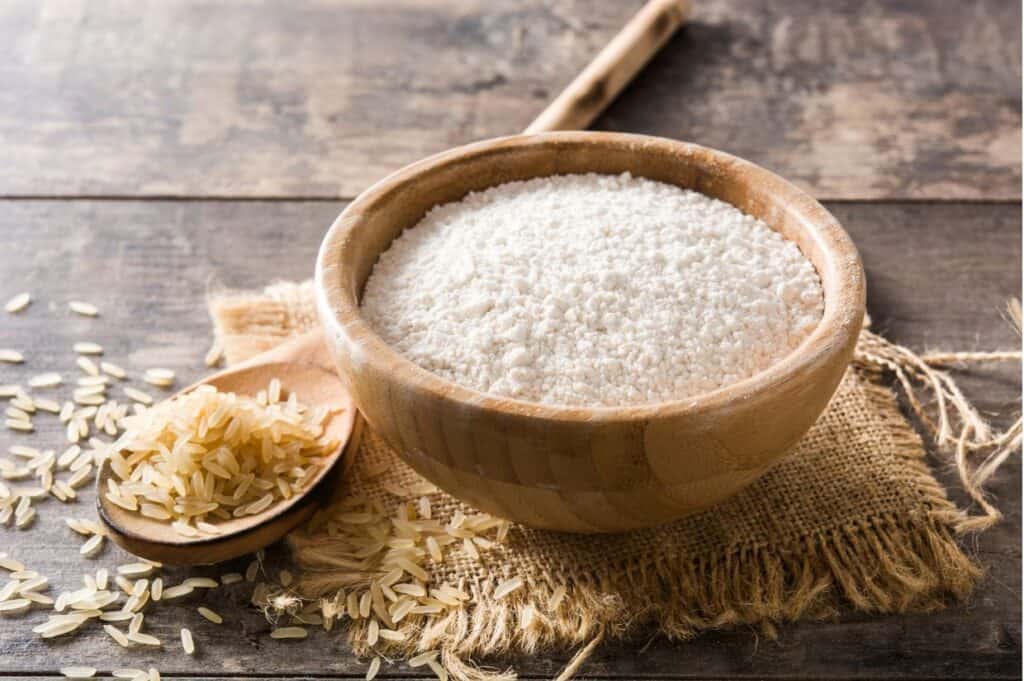
Made with milled rice, rice flour works great for creating crispy batters for chicken and fish, softening cookies and pancakes and thickening sauces. It can be used as a 1-to-1 substitute for cornstarch for frying, breading and baking. Use a 2-to-1 ratio for thickening sauces, gravies, stir-frys and custards. Mix rice flour with equal parts cold water to form a slurry.
Tapioca starch
Tapioca starch comes from the cassava root. It works best for gelling puddings, sauces and pie fillings that are cold because if you boil it for too long, it will become gummy. Use a 2-to-1 ratio when using it as a substitute for cornstarch.
Arrowroot powder
Extracted from the roots of the arrowroot plant, arrowroot powder is gluten free and grain free. It needs to be added to cold liquid to form a slurry before adding to hot liquids. Stir constantly until thickened. It works great in fruit pie fillings, clear sauces and glazes.
Arrowroot powder holds up well in acidic dishes as well as in the freezer. Avoid using it with dairy or in high heat. It doesn’t reheat well either. Use about 1.5 tablespoons of arrowroot powder for every tablespoon of cornstarch your recipe calls for.
Ground flax seeds

Flax seeds come from the flax plant and have become popular in recent years, especially as an egg substitute in vegan recipes. Use a coffee grinder or blender to grind them before using as a thickener. Mix 1 tablespoon of ground flax seeds with 3 tablespoons of water to create a “flax egg.” Let it sit for five minutes before using. It works best in soups, sauces, stews and gravies. It can also be used in smoothies. Ground flax seeds can be used as a 1-for-1 substitute for cornstarch.
Psyllium husk powder
Psyllium husk powder comes from the husk of the seeds of the herb Plantago ovata. It works well for thickening stews, soups and sauces. Make sure to add it slowly, whisk well and finish cooking quickly. Start with 1/2 tablespoon of psyllium husk powder for each tablespoon of cornstarch. Gradually add more as needed.
Xanthan gum
Xantham gum is made by fermenting sugar with the Xanthomonas campestris bacteria. The gel it creates is dried and turned into a powder for baking and cooking. It works great as a cornstarch substitute in soups, sauces and baked goods. A little bit of xanthan gum goes a long way, so start with 1/8 to 1/4 of what the recipe calls for in cornstarch. Stir in slowly and add more when needed. It works quickly; if too much is added, the liquid can become slimy.
Final thoughts
Running out of cornstarch doesn’t have to derail your dinner or dessert plans. With a few simple substitutes, you can keep things moving and still get the texture you’re after. The next time you’re out of cornstarch, you’ll know exactly what to reach for and how to make it work.
Heidi is a vintage recipe blogger at Real Life of Lulu, where she focuses on recipes that are at least 50 years old, many from her grandparents’ kitchens. When she isn’t writing or baking, she loves spending time with her husband and three kids.