
The fall candle season is one of the most reliable spending surges in American retail, and new research into how smell and memory interact in the brain helps explain why it works so well. Of all the senses, smell has the most direct path to the brain regions tied to emotion and memory, and fall fragrances map closely onto the scents adults most commonly carry from childhood. The candle industry’s most profitable season is built around those same fragrances, and the research behind that connection has been in the making for decades.
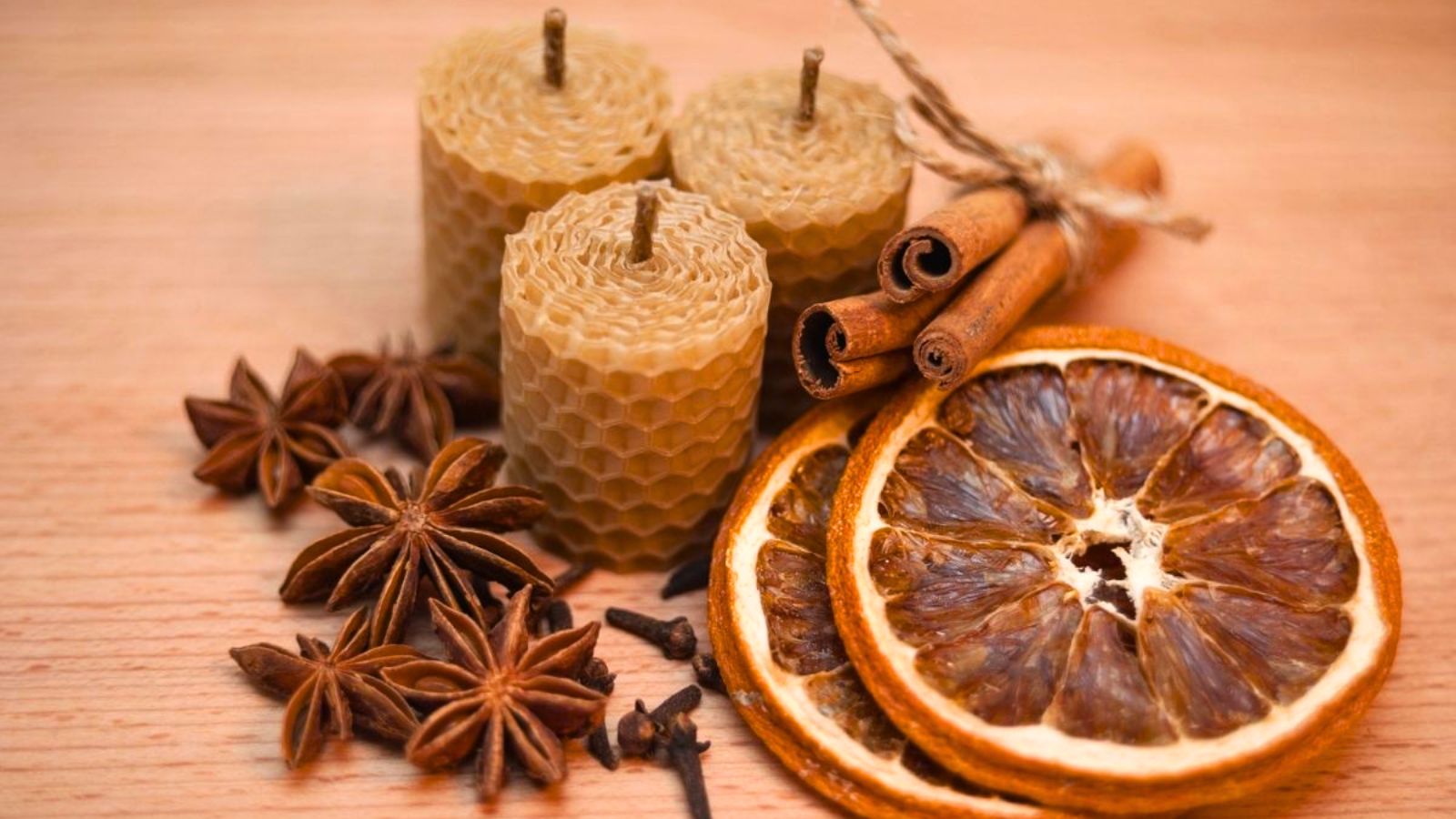
The fall candle buying surge is consistent enough that the industry now plans its entire production calendar around it. Roughly 35% of annual candle sales fall during the Christmas and holiday season, and fragrance is the single most important purchase driver in the category. Three-quarters of buyers call it “extremely” or “very important.” The question isn’t what makes fall candles sell, but what compels consumers to buy candles each season.
The brain has a shortcut for smell
Sight, sound and touch generally travel through the thalamus, a relay station deep in the brain, before reaching the cortex where conscious processing happens. The primary olfactory pathway works differently. It reaches structures involved in emotion and memory without the thalamus serving as the initial relay, giving smell unusually fast access to the parts of the brain that process feeling and autobiographical experience.
Dr. Rachel Herz, a neuroscientist at Brown University who has studied the psychology of smell since 1990, has documented this connection extensively. Her research supports the idea that odor can evoke an emotional or autobiographical response often before conscious identification of the source, a lag that other senses do not typically produce in the same way. The candle is often in the cart before the brain has caught up.
What gets filed under “home”
A preprint posted in 2026 surveyed 647 adults about their earliest childhood olfactory memories, the ones participants identified as the most deeply embedded. What the researchers found was specific. Those memories typically formed around age six, involved pleasant smells, and clustered around a narrow set of contexts. Not playgrounds or school hallways or birthday parties, but home environments, food-related smells and the presence of a mother or primary caregiver.
The study found that childhood smell memories carried stronger positive emotional charge than the earliest memories participants associated with any other sense. Compared to their earliest non-olfactory memories, participants rated smell-triggered memories significantly higher on nostalgia, vividness and the feeling of being transported back in time. Notably, that sense of mental time travel held steady across age groups. Even in older adults, it did not weaken the way other memory qualities did.
The Proustian effect has a price tag
Researchers have spent decades documenting a tendency for odor-evoked memories to feel older, more emotional and more vivid than memories triggered by other senses. They call it the Proustian phenomenon, named for Marcel Proust’s famous passage about a childhood memory unlocked by the smell of a tea-soaked biscuit. Under the right conditions, odor-evoked autobiographical memories tend to be more emotional than those triggered by sight or sound. They also tend to come from earlier in one’s life, and are less often rehearsed, which may help explain why they are more profound when they surface. The effect is not universal, and researchers note the evidence varies across experimental conditions, but the tendency is consistent enough to have produced decades of scientific interest.
Food and drink smells were the most common category in candle scents, with familiar foods and beverages figuring prominently. Nature smells such as grass, flowers, pine and hay were another common group. Cinnamon, vanilla, cedar and woodsmoke sit in the same sensory neighborhood, and together they account for much of the fragrance profile of the fall candle aisle every fall.
What the sales data shows
Fragrance is, by a significant margin, the single most important factor in candle purchasing decisions. More than 10,000 distinct scents are now available to U.S. consumers. Vanilla has long ranked among the most popular, with the National Candle Association identifying it as the top fragrance type in its consumer research. For many people, it is also tied to memories of home kitchens and baked goods.
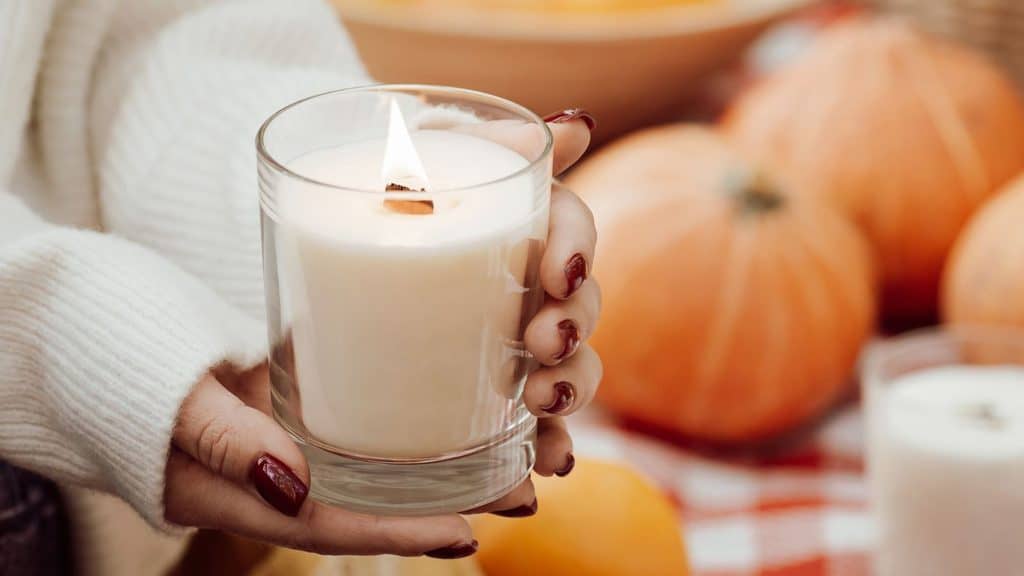
Research on ambient scent in retail settings has found that warm scents and citrus fragrances like orange can influence how long shoppers stay in a store and how much they spend in some settings, though researchers continue to study and debate the precise mechanism behind those effects. Retail and memory research share a suggestion that scent operates on emotion in ways that feel less deliberate than other sensory inputs.
A market built on memory
The home fragrance category has grown well beyond candles into diffusers, linen sprays and room mists. All of them lean on the same fragrance families tied to food, warmth and home. The industry is growing because it found something more durable than a trend. Certain scents carry emotional weight that is biological, laid down in childhood and remarkably resistant to fading. What the candle aisle figured out, and what the broader category is now building around, is that the product was never really about autumn. It was about the feeling certain smells have always carried, and fall just happens to be when the shelves make that most visible.
Jennifer Allen is a retired professional chef and long-time writer. Her work appears in dozens of publications, including MSN, Yahoo, The Washington Post and The Seattle Times. These days, she’s busy in the kitchen developing recipes and traveling the world, and you can find all her best creations at Cook What You Love.