
Cumin is one of those spices you don’t always think about until it’s suddenly missing. It brings a warm, earthy flavor to everything from chili and tacos to roasted vegetables and soups. When you reach for the jar and realize it’s empty, it can throw off your whole cooking plan.
This post may contain affiliate link(s). As an Amazon Associate, I earn from qualifying purchases. See Disclosures.
The good news is you probably already have a few good substitutes sitting in your spice cabinet. Several common spices can be used in place of cumin to give your dish a similar depth and warmth. With the right swap, dinner can keep moving right along without anyone noticing the difference.
Purposes of cumin
Cumin serves several purposes in the kitchen. Here are a few reasons why you need it:
- It enhances the savory flavors of chilis, lentil dishes and legume soups.
- Cumin is a key ingredient in garam masala, curry powder, taco seasoning and adobo.
- It enhances the flavor of grilled, roasted or braised chicken, lamb, beef and pork.
- Cumin goes well with cauliflower, root vegetables and chickpeas.
- It is used in salsa, guacamole and tomato-based sauces.
Common substitutes for cumin
Here’s a closer look at the best cumin substitutes and how they perform in different recipes. Each option brings its own flavor, so small adjustments can help you achieve the right balance. You’ll find what to use, how much to substitute and when each one works best.
Coriander
Coriander has an earthy base similar to cumin, but is missing its heat and strong pungency. It works best with Latin American, Mexican and Indian dishes, such as rice, curries, soups and stews. Start with 1/2 teaspoon of coriander for every teaspoon of cumin the recipe calls for, and add more as needed to suit your tastes.
Coriander and cayenne pepper
If you want more of a kick similar to cumin, cayenne pepper works well with coriander to add some spice. Follow the directions above for substituting with coriander and add a pinch of cayenne pepper.
Fennel seeds
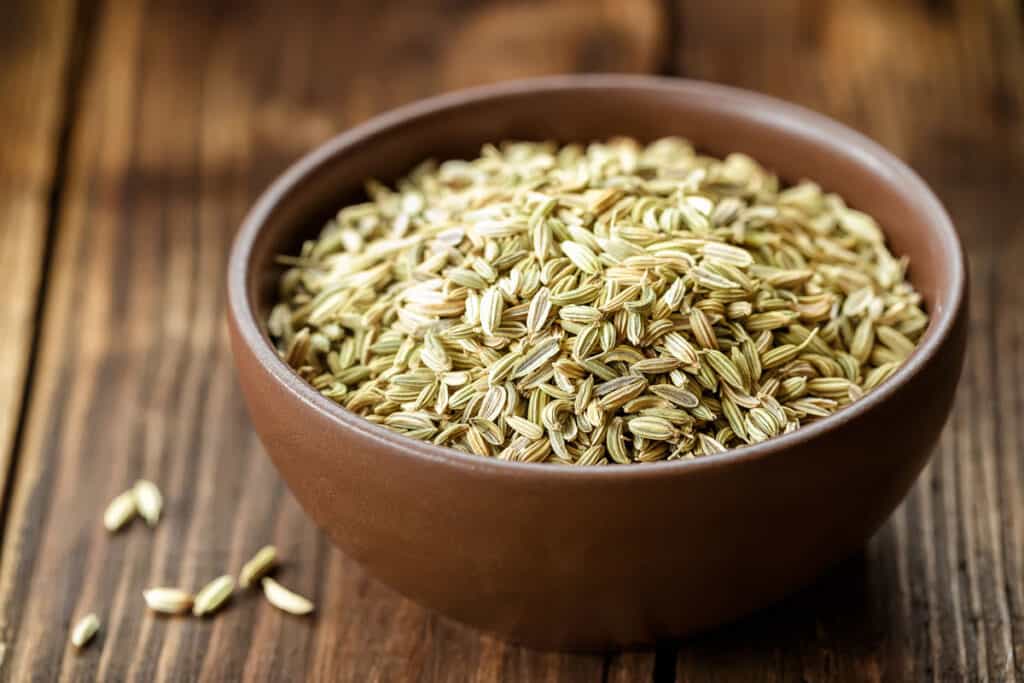
Fennel seeds work well in Mediterranean dishes like pork, roasted vegetables, Italian sausage or tomato sauces where a sweeter, anise-like undertone is acceptable. Start with half the amount of fennel and add more as needed to suit your tastes.
Caraway seeds
Caraway seeds work well in savory dishes, such as stews, soups, roasted root vegetables and cabbage dishes. It is more pungent than cumin and has notes of anise, which makes it work when you want an earthy, sharper flavor. Start with 1/2 teaspoon of caraway seeds for every teaspoon of cumin the recipe calls for. Add more as needed.
Chili powder
Chili powder contains cumin; it is a blend of cumin, dried chili flakes, onion powder, garlic powder, black pepper and oregano. It works well for Mexican dishes. It is a bit spicier and will add some color to your dish. Start with 1/2 teaspoon of chili powder for every teaspoon of cumin the recipe calls for, and add more as needed to suit your tastes.
“I have substituted chili powder for cumin when I realized I was out while making taco meat for dinner. Since chili powder already includes cumin along with a few other spices, it gave the dish a similar warm, savory flavor. I just used a little less than the recipe called for and tasted as I went. It worked really well, and my family never noticed the difference.”
— Kristin King, Dizzy Busy and Hungry
Taco seasoning
Most of the time, taco seasoning is made with chili powder, onion powder, garlic powder, salt and sugar. Chili powder is made with cumin. Taco seasoning works well as a substitute in Mexican dishes. Most of the time, you can use taco seasoning as a 1-for-1 replacement for cumin. If you’re worried about it being too strong or changing the flavor too much, start with half the amount the recipe calls for and add more slowly until it reaches the desired flavor.
Paprika
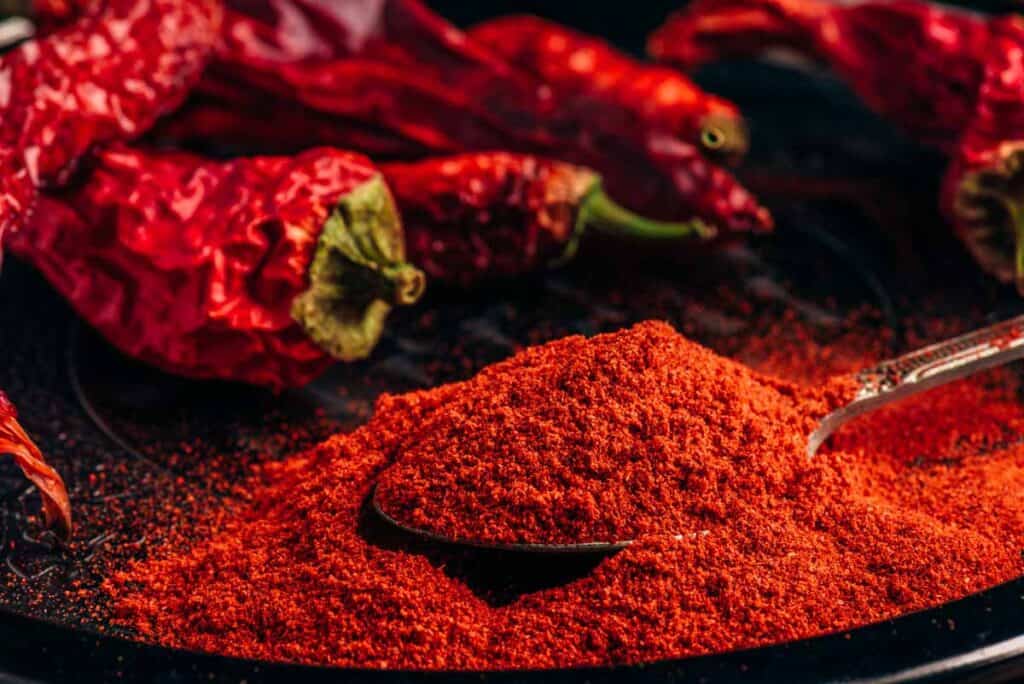
Paprika has a rich smoky flavor and is less spicy than other chili spices. It works well in taco meat, spice rubs, chili and roasted dishes. Paprika is milder than cumin, so keep that in mind. Start with 1/2 teaspoon of paprika for every teaspoon of cumin the recipe calls for, and add more as needed.
Chipotle powder
Chipotle powder is made from smoked and dried chili peppers. It has a smoky, spicy flavor and has more heat than cumin. Chipotle powder works well in Mexican, Latin American and southwestern dishes like soups, meat rubs, chilies and stews. Since it is much hotter than cumin, start with 1/3 to 1/2 teaspoon of chipotle powder for every teaspoon of cumin your recipe calls for. Adjust as needed.
Garam masala
Garam masala is a spice blend from India and is less common in the United States. If you cook Indian dishes, you might already have it in your pantry. Most garam masala is composed of cumin, coriander, cloves, cardamom, cinnamon, black peppercorns, nutmeg and mace. It works well in Indian curries, lentil dishes, stews and roasted vegetables. Start with half the amount called for in the recipe and adjust to your taste.
Curry powder
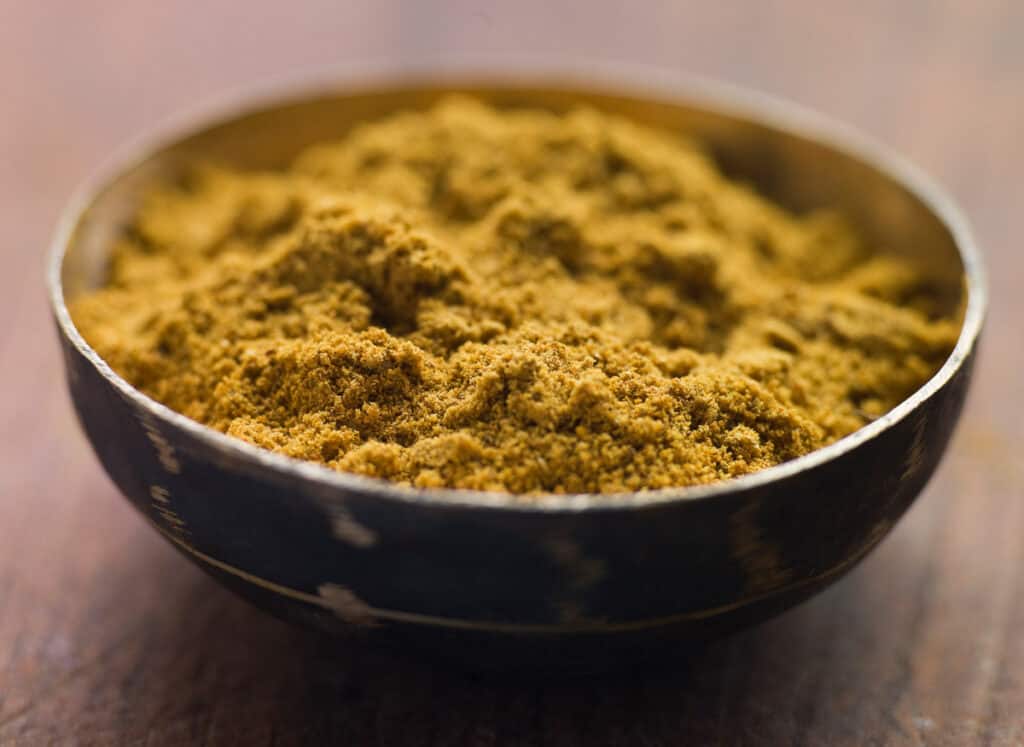
Curry powder is commonly used in Indian dishes and has a bold yellow color and a mild taste. It contains cumin, turmeric and coriander. Curry powder is best used in Indian and South Asian dishes, such as lentil soups, curries and rice. It also works with roasted vegetables, stews, egg-based dishes and chicken salads. Start with 1/2 teaspoon and add more as needed.
Final thoughts
Running out of cumin doesn’t have to slow you down or ruin a good recipe. With the right substitute, you can still get that warm, balanced flavor your dish needs. In some cases, you might even discover a new favorite twist worth making again.
Heidi is a vintage recipe blogger at Real Life of Lulu, where she focuses on recipes that are at least 50 years old, many from her grandparents’ kitchens. When she isn’t writing or baking, she loves spending time with her husband and three kids.