
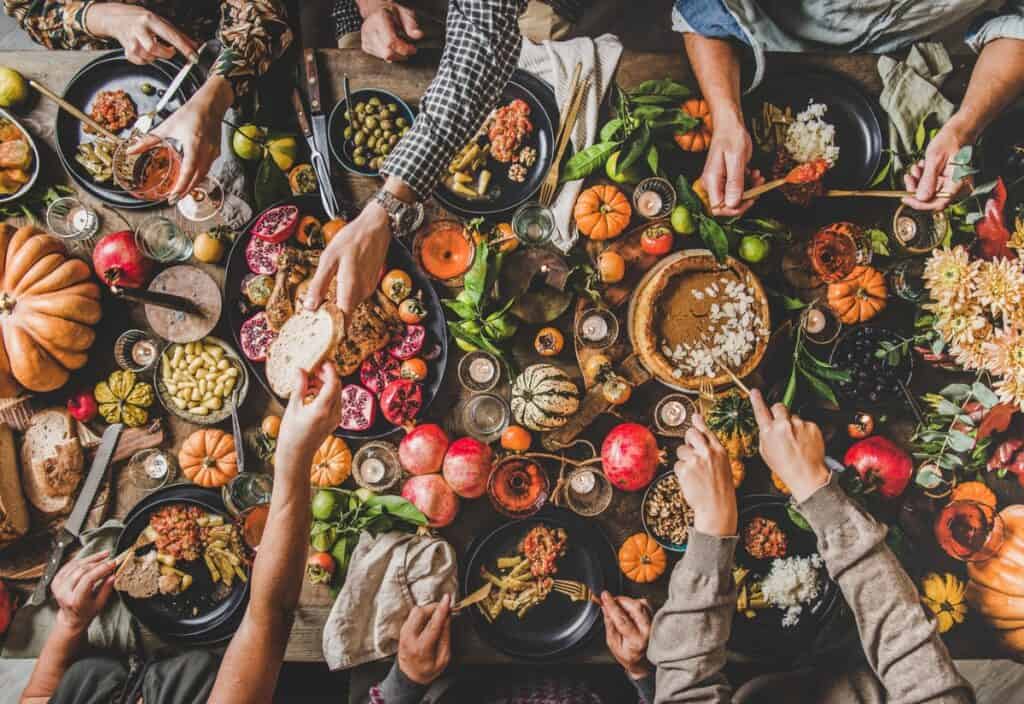
Drop-in dinners redefine what it means to entertain in summer and are emerging as the go-to format for 2025. As casual hosting gains momentum, more people are stepping away from formal plans in favor of easy, open-ended gatherings. These low-pressure dinners offer a practical solution for busy schedules while delivering connection without the performance of a traditional party.
This post may contain affiliate link(s). As an Amazon Associate, I earn from qualifying purchases. See Disclosures.
As life speeds up, these slow, flexible gatherings feel like a breath of fresh air that fit easily into summer. Here’s how this trend is catching on and why more people choose to host without the hassle.
A casual invite sets the tone
Drop-in dinners are informal gatherings where guests are invited to stop by within a set time frame, with no strict start time, RSVP or elaborate preparation required. Unlike traditional dinner parties, hosts often offer a spread of simple, self-serve dishes and drinks, creating a welcoming environment without being overly structured. This informal approach opens the door to something more lasting.
Social connection is one of the strongest predictors of well-being, safety and even longevity. This not only enhances resilience and prosperity, but is also biologically wired into our survival, both early and later in life. By stripping away the formalities, these dinners create space for meaningful connections that people often miss in their busy lives. That shift toward genuine presence and connection, without expectations or performances, is what makes drop-in dinners more than just a format.
Menus that work with the weather
Drop-in dinners call for food that holds up in the heat, travels well from fridge to table and doesn’t require the host to hover. Here’s how the right menu sets the tone for a flexible, fresh gathering that fits the moment.
Seasonal, colorful and forgiving
Drop-in dinners align perfectly with peak summer produce, making it easy to build a menu around what’s ripe and ready. Buying produce in season doesn’t just taste better, it’s also more affordable, nutritious and better for the planet. It supports local growers, cuts down on transport emissions and reduces packaging waste.
For hosts, that means they can serve fresh and environmentally conscious meals without overspending or overcomplicating. Grilled stone fruits, roasted corn, heirloom tomato salads and herb-laced flatbreads are full of flavor and look beautiful with little effort. Even chilled noodle bowls or couscous with marinated vegetables hold up well throughout the evening, making them ideal for guests who arrive at different times or need dietary flexibility.
Prep ahead, then relax
Summer heat and drop-in hosting demand meals that don’t need babysitting, which is where make-ahead menus shine. These dishes offer flavor without fuss and give hosts the freedom to enjoy the gathering. Grain salads improve as they sit, frittatas stay flavorful at room temperature and dips like hummus and tzatziki pair easily with raw veggies and crackers.
Drinks follow the same logic. Pitchers of infused water, sparkling juice spritzers or even a DIY iced tea bar let guests help themselves and keep things flowing without interruptions. It’s all about building a setup that supports ease and presence, so the host stays part of the party, not stuck behind the stove.
Built for ease
Drop-in dinner menus are designed around ease and adaptability, which makes them different from other gatherings. There’s no pressure to coordinate every detail, which gives hosts more flexibility and guests more comfort. Hosts can prepare a few anchor dishes like a pasta bake, a hearty salad or a roasted veggie tray, and then leave space for whatever happens next.
If more people arrive later, the food still works, and it’s meant to be served at room temperature and enjoyed whenever. If someone brings a store-bought salad or dessert, it fits right in without fanfare or fuss. This style embraces spontaneity and supports generosity without rigidity, which is an ideal match for the unpredictable, come-and-go nature of summer evenings, when hosting should feel more like an open door than a to-do list.
Built for summer
The season itself makes drop-in dinners feel natural. Warm nights, late sunsets and a collective craving for unstructured time create the perfect conditions for relaxed outdoor gatherings. People aren’t looking for perfectly plated dinners or themed decor, but for easy moments that feel good.
In 2025, outdoor living trends are leaning into this spirit. It’s all about functionality that doesn’t sacrifice comfort. Think portable fire pits, stackable stools, lightweight dinnerware and layered lighting that lets the night stretch well past dinnertime. Spaces are becoming more modular, so a patio can shift from solo coffee spot to drop-in dinner zone without a complete overhaul.
The bigger meaning behind keeping it simple
Drop-in dinners reflect a broader shift in how people want to connect in 2025. With traditional dinner parties falling out of step with modern routines, these flexible gatherings meet the need for real-time connection without formality. They offer a modern and deeply human format, driven by a desire to slow down and be present. In a season shaped by long days and looser schedules, drop-in dinners make hosting feel possible again, rooted in ease, not effort.
Mandy Applegate is the creator behind Splash of Taste and seven other high-profile food and travel blogs. She’s also co-founder of Food Drink Life Inc., a unique and highly rewarding collaborative blogger project. Her articles appear frequently on major online news sites, and she always has her eyes open to spot the next big trend.