
Earth Day on April 22 draws attention to how travelers move through a trip, while many are already reducing waste through habits that also make the journey easier. From packing reusable basics before departure to skipping bottled water buys, lower-waste choices are becoming part of a more practical travel routine.
This post may contain affiliate links that may earn us a commission. For more information, see our Disclosures.
The easiest waste-reducing habits are often the ones travelers keep, with 93% of global travelers saying they want to make more sustainable travel choices and to some extent already have. The changes most likely to stick are often the simplest ones, including behaviors that fit easily into a weekend trip, a flight or a hotel stay, and make the day easier to manage.
Packing reusables starts before takeoff
Waste reduction often starts at home, where Booking.com’s 2025 research states 53% of travelers are conscious of travel’s impact on communities and the environment. Awareness shows up during packing, as travelers bring reusable items not only to lessen waste but to make the trip easier to manage.
Collapsible containers, utensil kits and refillable toiletry pods replace mini items and other throwaway extras. Solid toiletries make more sense than liquids because they help prevent leaks and also eliminate disposable packaging. Packing cubes now do more than organize clothing; they can also help separate worn items, while bag limits, airline rules and the need to travel lighter make smarter reusable systems easier to keep.
Water refills replace repeat buys
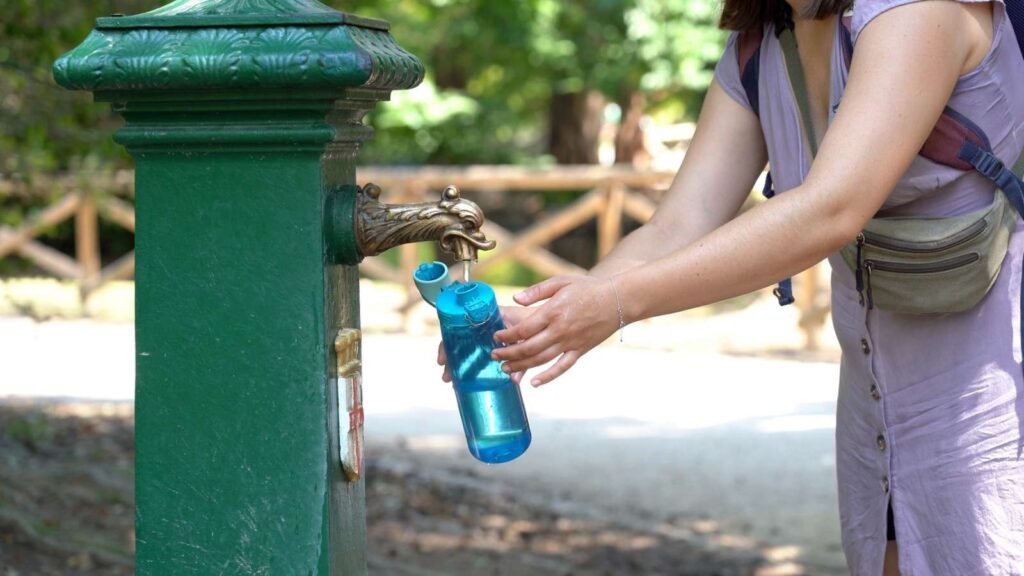
Reusable bottles have become more useful because access to refills is easier to plan than it used to be. Travelers check where they can refill before arrival instead of assuming they will keep buying bottled water at airports, hotels or convenience stops. In some places, Google Maps and other applications now surface refill locations, which makes waste reduction easier to sustain throughout a full day of travel.
The bottle works because it suits the pace of travel instead of slowing it down. Visible refill stations make the routine simpler, and repeatedly purchasing bottled water becomes easier to avoid. For many travelers, this is less about making a statement and more about removing one more small, expensive errand from the day.
Daily housekeeping is unnecessary
Many travelers skip daily housekeeping without treating it as a formal opt-out, with privacy, security and fewer interruptions mattering more than environmental messaging; daily service no longer feels essential on every stay. Less frequent room service also mitigates waste in quiet ways. Fewer room resets can mean lower towel turnover, less linen washing and fewer automatic replacements of small items guests may not use.
Hotels have adjusted as those patterns become more common. Staffing models can change when fewer rooms need daily service, and the arrangement works for travelers because it keeps the stay simpler without asking much from them.
Digital travel cuts paper waste
Paper use continues to fade as people live with their phones. Boarding passes, tickets, menus, maps and museum guides move with travelers across airports, restaurants, transit stops and attractions without adding another printed item to carry or throw away. QR menus and mobile documents no longer feel temporary because they are already part of how many trips work.
Additionally, travelers expect fewer printed materials, even in more polished settings, and the practical gain is pivotal: digital access is often faster and easier to use than a stack of loose papers. As a result, paper waste drops due to convenience, not through sacrifice.
Packing food ahead of time reduces waste
Packaging already accounts for 54% of all plastic in municipal solid waste, and its volume is expected to grow by more than 30% by 2040. Travelers can lessen some of that waste before departure by packing snacks, coffee gear and food containers instead of buying whatever is closest once the trip is underway.
The tendency usually appears on road trips, family travel and short stays, where convenience purchases can add up fast. Preparing ahead minimizes reliance on grab-and-go items wrapped in extra packaging and decreases repeated last-minute stops for food and drinks. In addition, travelers who already have food and drinks within reach can move through the trip with fewer interruptions.
Low-waste food routine during travel
Some lower-waste practices come from food decisions made during the trip itself. Dine-in meals can downscale excess packaging compared with takeaway, while shared dishes can help groups avoid overordering and food waste.
Prepared foods from markets can also give travelers another option when they want something quick without relying on heavily packaged convenience stops. These choices work well because they fit naturally into the day without turning meals into extra work.
Clothing plans ease lighter packing
Clothing plans play a vital role in how travelers cut waste and avoid extra buying on the road. Many are packing around rewearable pieces and quick-dry fabrics to bring less and still cover more days. Laundry access adds more value in that setup, especially for longer stays and carry-on-only travel.
Travelers who can rotate outfits, separate worn items and wash a few basics during the trip have less reason to overpack or buy extra clothing after arrival, so efficiency remains important in the process. Waste reduction still matters, but many travelers keep this routine because a more flexible packing system makes the bag easier to manage from departure through the return home.
Leaving hotel freebies behind
Hotel freebies no longer carry the same value for every traveler. Bottled water, slippers, toiletry kits and coffee pods are easier to skip when people bring preferred versions from home and already know what works for them. Repeat travelers, in particular, often care more about consistency than novelty.
Freebies were once treated as part of the reward of staying away from home, but many travelers leave them untouched. The choice lessens waste, and it is slowly becoming a norm where people use what they actually need and leave the rest behind.
Travelers choose lower-waste experiences
Some travelers reduce waste through the kinds of activities they book. Walking tours, guided hikes and smaller-group experiences involve fewer disposable items than outings built around buses, boxed snacks or one-time-use supplies. Food tours follow the same pattern when they rely more on sit-down stops than on packaged samples eaten on the move.
The decision here is less about what travelers carry and more about how the trip itself is structured. Simpler service setups and fewer throwaway items can make an experience feel easier to follow.
Visible details matter at booking
Booking decisions depend more on features people can see and use right away. Refill stations, bulk toiletries, laundry access and policies that limit single-use plastics carry more weight when they make the stay easier from arrival.
Many pay less attention to long sustainability pages and more attention to practical systems they can use during the trip. At booking, what often adds more value is whether a property makes it easy to maintain lower-waste practices.
Practical details are often more important than branding, such as a refill station in the lobby, an on-site laundry or fewer single-use items in the room. These additions do more than a long sustainability statement because they save time and make the stay easier to manage.
Easy travel habits last longer
Small habits tend to last when they save time, not just reduce waste, and travel is starting to mirror that shift. The next step may come from the tourism industry, where clearer standards could make low-waste options easier to compare and choose. If convenience stays at the center, these choices are likely to become the default rather than the exception.
Zuzana Paar, a co-founder of Food Drink Life, is a seasoned traveler and writer who has explored 62 countries and lived in St. Lucia, Dubai, Vienna, Doha and Slovakia. Her work has been featured on Fox News, New York Daily News, MSN and more; she has also appeared live on Chicago’s WGN Bob Sirott Radio Show. When she’s not discovering new destinations, she shares travel tips and insider insights to help others experience the world in a unique and unforgettable way.