
Americans are fiercely loyal to their taco order, which is completely reasonable until they find out how much taco territory they haven’t covered yet. Regional Mexican taco culture runs far deeper than the familiar dishes most people default to, and many styles are closely tied to the geography, ingredients and history of the places where they developed. Oct. 6, National Taco Day, is the right occasion to get acquainted.
What people eat in Puebla differs from what they eat in Mexico City, which differs again from what they eat in the Yucatán. Each style exists because of a particular geography and particular ingredients tied to one place. Even a particular moment in history sent food in an unexpected direction. The Mexican taco landscape runs wide, from familiar weeknight staples like tacos dorados and steak tacos to regional specialties most American diners have never encountered. Four of those styles have particularly distinctive histories and remain far less familiar to many American diners.
Al pastor and the Lebanese immigrants who made it
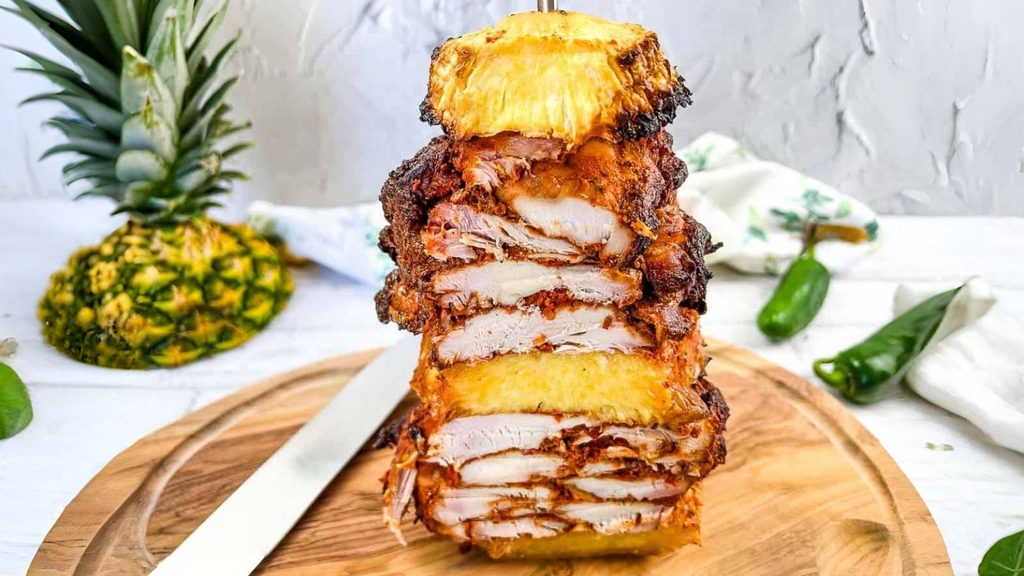
Al pastor is Spanish for “shepherd style,” but its story begins with Middle Eastern immigrants, particularly Lebanese communities, in Mexico. During the late 19th and early 20th centuries, Lebanese, Syrian and other Levantine immigrants arrived in Mexico, bringing with them the vertical-roasting tradition behind shawarma and döner. In Puebla, they served the meat on a wheat flatbread known as pan árabe, creating what became known as tacos árabes.
Mexican cooks eventually adapted the technique with pork, local chiles and achiote, stacking the marinated meat on a vertical spit called a trompo and creating the taco al pastor known today. The pineapple that crowns most trompos came later. Why it became part of the preparation is debated, though a widely cited origin places its addition at a Mexico City taquería in the mid-1960s.
Cochinita pibil predates the Spanish arrival
Cochinita pibil is a Yucatán dish, and it could only be a Yucatán dish. The cooking technique is ancient, developed by Maya cooks using an underground stone pit called a pib. The name comes from the Maya word pib, referring to that underground cooking pit.
When the Spanish arrived and later brought pigs, they used the same method. Pork was rubbed in achiote paste made from ground annatto seeds, marinated in the region’s bitter Seville orange, wrapped in banana leaves, and slow-cooked in the earth for hours. The resulting meat pulls apart easily, deeply rust-colored from the achiote, and finished at the table with sharp pickled red onion and habanero.
Tacos de canasta rode into Mexico City on a bicycle
The story starts in San Vicente Xiloxochitla, a small farming village in the Mexican state of Tlaxcala. As agricultural families looked for additional ways to earn a living, taco sales became an important local trade. The broader tradition dates to late 19th-century farm and hacienda lunches, with the basket-and-bicycle street model consolidating in San Vicente Xiloxochitla by the mid-20th century.
Corn tortillas were filled with potato, beans, chicharrón or adobo, bathed in hot cooking oil, then stacked in baskets lined with plastic, brown paper and cloth to trap the steam. As they sit, the tortillas soften and absorb the hot oil and cooking juices.
Vendors loaded these baskets onto bicycles and rode into Mexico City each morning to sell, then rode home. Regulars call them tacos sudados, sweaty tacos, for obvious reasons. They are a well-established morning staple, and most families in San Vicente Xiloxochitla are still in the business, carrying on a trade that has run through multiple generations.
Suadero is Mexico City’s most overlooked cut
Suadero is a cut of beef from the intermediate section between the belly and the leg of the cow. It has a relatively smooth, fine texture compared with many familiar beef cuts, and at Latin carnicerías it sometimes goes by “rose meat.”
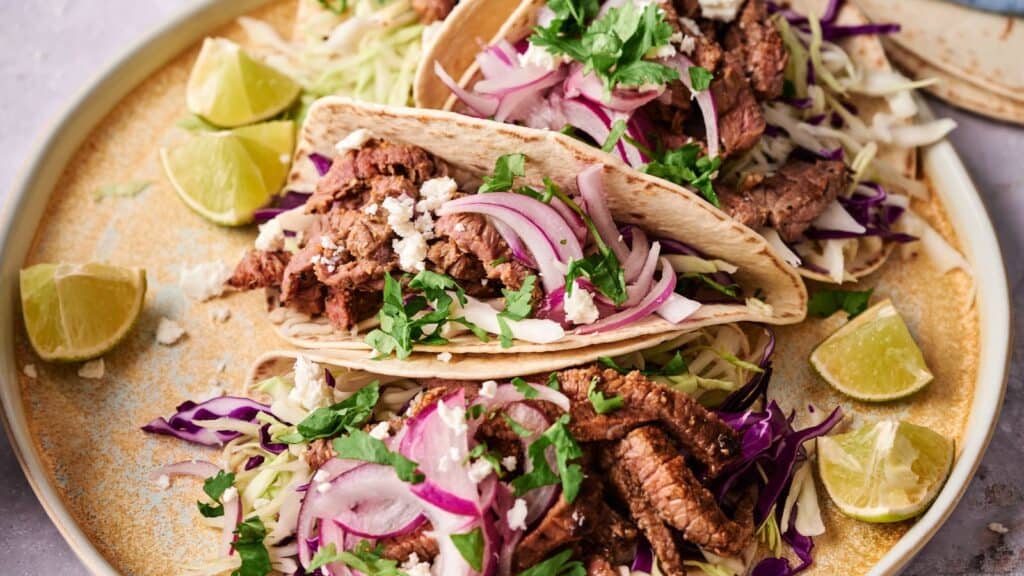
In Mexico City, suadero is traditionally cooked slowly in fat and cooking liquid until tender, then chopped and finished on the griddle. Vendors often use two corn tortillas to support the juicy filling. Topped with white onion, cilantro, salsa and a squeeze of lime, it is a staple of Mexico City’s taquerías, sold alongside al pastor at late-night stands. Mexico News Daily has called it the capital’s best-kept secret. In the U.S., it remains largely invisible outside Latin neighborhoods, which is exactly why it is worth finding.
The taco map is bigger than most people know
Regional Mexican cuisine has been moving into the American mainstream for years, but the version most diners encounter is still a narrow slice of what actually exists. The styles showing up at serious taquerías in cities that didn’t have them a decade ago trace back to specific villages, specific cooking pits, specific immigrant communities that arrived in Mexico a century ago with a completely different food tradition. That specificity is what makes them worth seeking out. The deeper the regional taco tradition goes, the longer the list of tacos many American diners haven’t tried yet.
Mandy writes about food, home and the kind of everyday life that feels anything but ordinary. She has traveled extensively, and those experiences have shaped everything, from comforting meals to small lifestyle upgrades that make a big difference. You’ll find all her favorite recipes over at Hungry Cooks Kitchen.