
Haitian food has been this good for a very long time. It just wasn’t showing up in most American cities. That’s changing fast, and the people who grew up eating griot and diri djon djon didn’t need anyone to tell them it was worth the wait.
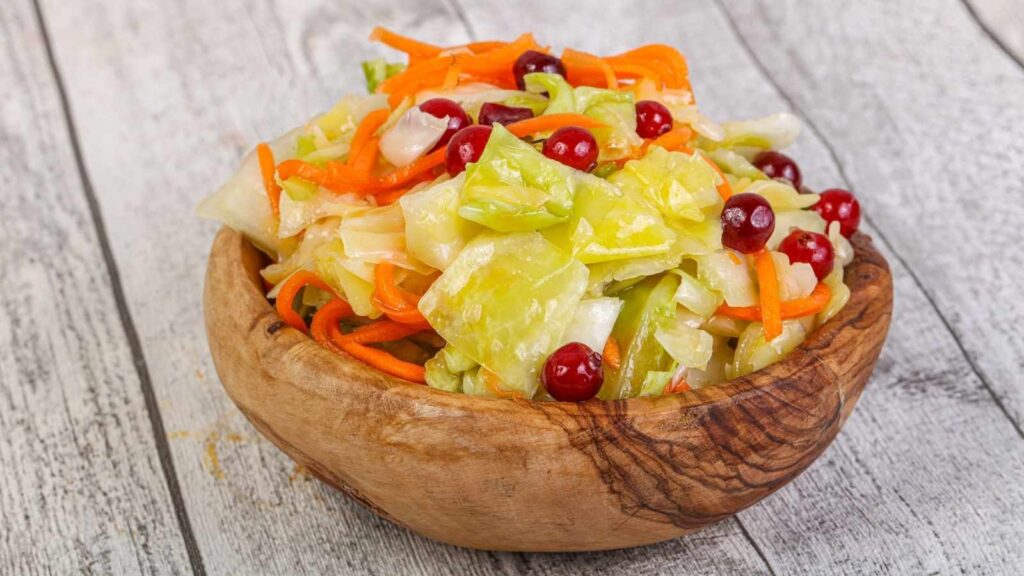
Haitian cuisine built its foundation in South Florida and New York, where diaspora communities fed their own and rarely got national press for it. Now new restaurants are opening in cities that never had a Haitian dining scene, and a spicy little condiment called pikliz is turning up in grocery stores far outside any Haitian neighborhood.
The chef who started it
Kann, chef Gregory Gourdet’s live-fire Haitian restaurant in Portland, Oregon, opened in 2022 and became the clearest argument that this cuisine could hold national attention. It won the James Beard Foundation’s Best New Restaurant in 2023 and landed 27th on the inaugural North America’s 50 Best Restaurants list. Gourdet, the son of Haitian immigrants, built the menu around traditional Haitian flavors and Pacific Northwest ingredients. Destination diners came from across the country. The appetite was real.
New cities, new kitchens
Chef Nathalie Lecorps launched Gourmet Kreyol in 2021 as Massachusetts’ first Haitian food truck. In May 2025, she opened a takeout restaurant in Boston’s Mattapan neighborhood, with a second sit-down location in Dorchester in development. Two permanent locations advancing in a single year from a founder who started with a truck.
In Houston, Griot Gardens opened in the Spring Branch neighborhood with no established Haitian dining scene to build on. The restaurant was founded by a Miami mother-daughter duo, and it draws a crowd that skews heavily toward first-time diners. The Houston Chronicle covered it as one of the city’s notable new openings, the kind of mainstream press attention Haitian restaurants rarely used to receive.
The jar on the shelf
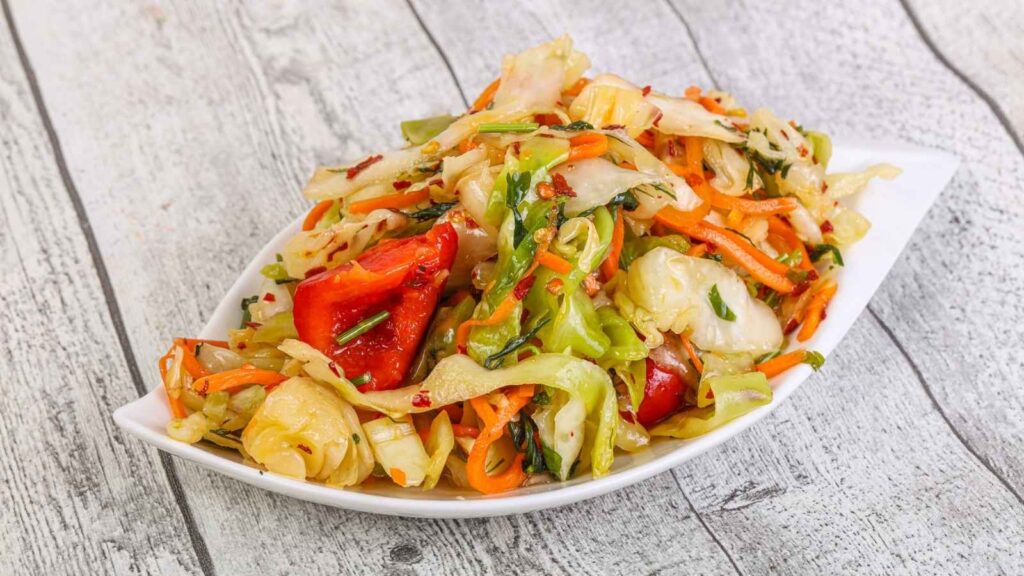
National Geographic named pikliz one of the biggest food trends of 2026. Not griot. Not rice and beans. The spicy, crunchy pickled slaw that sits on nearly every Haitian table.
Artisanal jarred brands have reached specialty retailers and online platforms, and home cooks are using pikliz on eggs, tacos, grilled meats and rice bowls. When a pantry staple from one community starts showing up in other people’s grocery carts, that’s not a trend anymore. That’s a handoff.
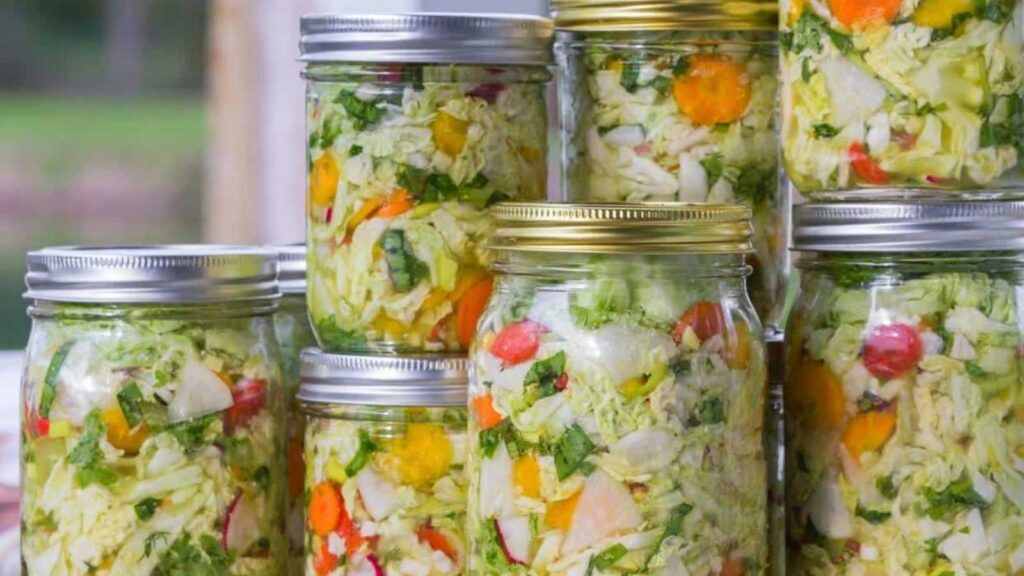
If you haven’t tried Haitian food yet, this is a good year to start. A jar of pikliz is a low-stakes first step, and a reservation at Kann is a very good reason to visit Portland.
Jennifer Allen is a retired professional chef and long-time writer. Her work appears in dozens of publications, including MSN, Yahoo, The Washington Post and The Seattle Times. These days, she’s busy in the kitchen developing recipes and traveling the world, and you can find all her best creations at Cook What You Love.