
Halloween is no longer just child’s play; it has become a billion‑dollar fright fest, fueling America’s theme parks. With more than 1,200 haunted attractions nationwide, the business of fear showcases both massive scale and record‑breaking consumer demand. Each year, new attractions push boundaries to keep visitors coming back, proving that terror has become some of America’s most bankable thrills.
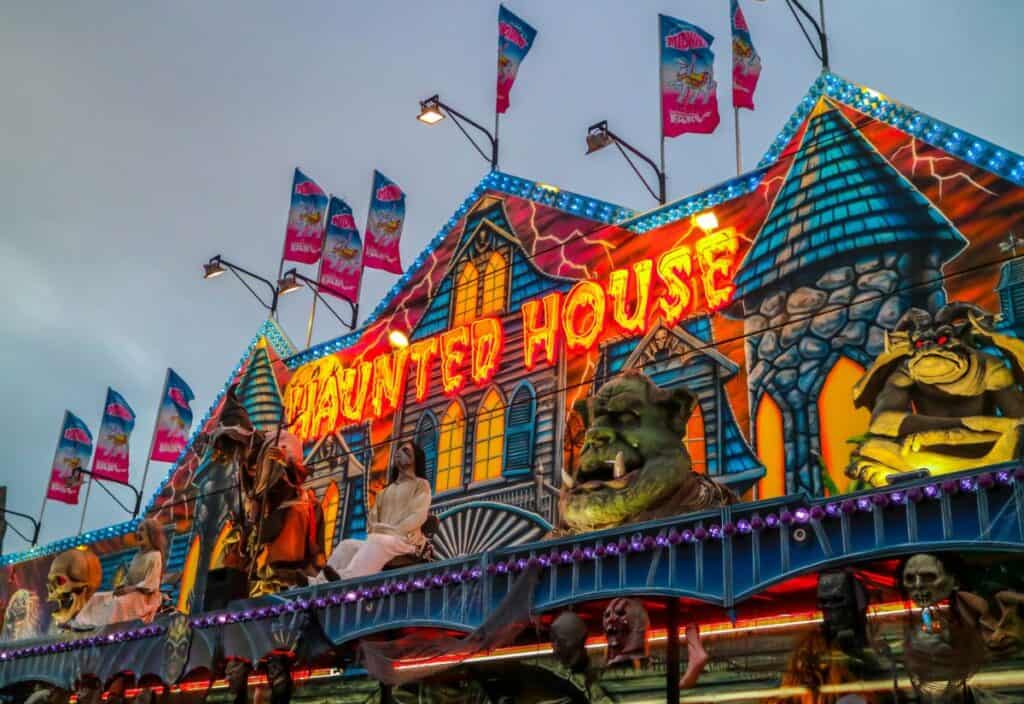
The haunted attraction industry even influences travel patterns, with families booking trips around haunted events and local economies reaping the rewards. And thanks to social media buzz, a single night of fright often snowballs into weeks of viral attention.
The rise of fear‑fueled entertainment
In the United States, Halloween has grown into a robust seasonal market, with over 300 amusement facilities, such as theme parks and family fun centers, staging special events. Participation is widespread, with around 90% of households with children joining at least one activity.
The demographic core of this market consists of teens and young adults seeking social experiences that combine fun with fright. This strong level of engagement guarantees a reliable customer base for haunted attractions of all sizes, from large national theme parks to smaller regional operations.
Haunted happenings fueling profits
The business of fear thrives on events that transform parks into high-demand attractions. Guests pay premium prices for high‑end scares and return every year for new experiences.
Knott’s Scary Farm, the longest‑running Halloween theme park event in Southern California, runs on select nights from Sept. 18 to Nov. 1, 2025. The attraction features haunted mazes, sinister shows and more than 1,000 creatures hidden throughout the park, consistently drawing visitors back each season.
Six Flags Fiesta Texas, happening from Sept. 6 to Nov. 2, transforms the entire park into a Halloween celebration with haunted mazes, scare zones, live shows and specialty food and drinks. Guests can face new frights like the Hexenhaus and Nosferatu mazes or brave Dr. Diabolical’s Cliffhanger, which becomes even scarier after dark.
Returning from Sept. 5 to Nov. 2 on select evenings, Busch Gardens’ Howl‑O‑Scream takes over the entire park with haunted houses, scare zones, sinister shows and more. Unspeakable horror fills every dark corner, even on the park’s thrill rides, leaving guests with nothing to fear but everything.
Cedar Point’s HalloWeekends also runs on select days and nights from Sept. 11 to Nov. 2, offering both family‑friendly daytime fun and terrifying after‑dark thrills. By day, kids and parents can enjoy not‑so‑scary activities, favorite rides and lively entertainment, while at night, the park transforms with haunted mazes, scare zones, spine‑tingling shows and the all‑new Siren’s Curse roller coaster.
Extending the season and experiences
Scream tourism has emerged in 2024, with thrill seekers deliberately looking for places that promise a chilling atmosphere. Rob DelliBovi, CEO of RDB Hospitality Group, explained in Fox News that scream tourism once revolved around haunted houses and Halloween events. But today, it also includes haunted restaurants and hotels, murder sites and ghost tours that pull in visitors who want experiences that are both frightening yet controlled.
What fuels the business of fear
Haunted attractions rely on more than just jump scares; they create story-driven environments that visitors can’t forget. Parks that build elaborate sets, weave in soundscapes and use live actors encourage guests to return annually, anticipating new frights each year.
Stretching the season past Halloween is also a clever way to turn fear into a financial engine. Parks now open haunted events as early as September and run them into November, giving families and thrill-seekers multiple weekends to plan their visits. More operating days mean higher ticket sales, while local hotels and restaurants benefit from the steady stream of guests.
Special-edition souvenirs provide another revenue boost. Items such as eerie popcorn buckets and glow-in-the-dark shirts have become collector’s items that sell out quickly. Influencers amplify the hype by showcasing these products on social media, sparking FOMO and convincing fans to buy or visit before the goods are gone.
Fear that pays off
Haunted theme parks have turned scares into a serious business through showmanship and strategy. What began as seasonal fun has evolved into a successful industry that lures millions of people, keeps social media feeds buzzing and fills local cash registers along the way. The fear industry has become a powerhouse that thrives on screams, consistently generating thrills and profits year after year.
Jennifer Allen is a retired chef turned traveler, cookbook author and nationally syndicated journalist; she’s also a co-founder of Food Drink Life, where she shares expert travel tips, cruise insights and luxury destination guides. A recognized cruise expert with a deep passion for high-end experiences and off-the-beaten-path destinations, Jennifer explores the world with curiosity, depth and a storyteller’s perspective. Her articles are regularly featured on the Associated Press Wire, The Washington Post, Seattle Times, MSN and more.